Home Appliance Personal Care
Ice or Heat: Which is more effective for sciatica?

Introduction

Sciatica, characterized by pain radiating along the sciatic nerve, can be a challenging condition to manage. While various treatment options exist, two commonly used remedies are ice and heat therapy. Ice packs and heat pads are believed to provide relief by reducing inflammation and soothing the affected area. However, it’s important to understand the differences between the two and their appropriateness for sciatica. In this guide, we will explore the effectiveness of ice and heat therapy for sciatica, comparing their benefits, applications, and considerations. By gaining insights into their respective properties, you can make informed decisions about which approach may be more effective for managing your sciatica symptoms.
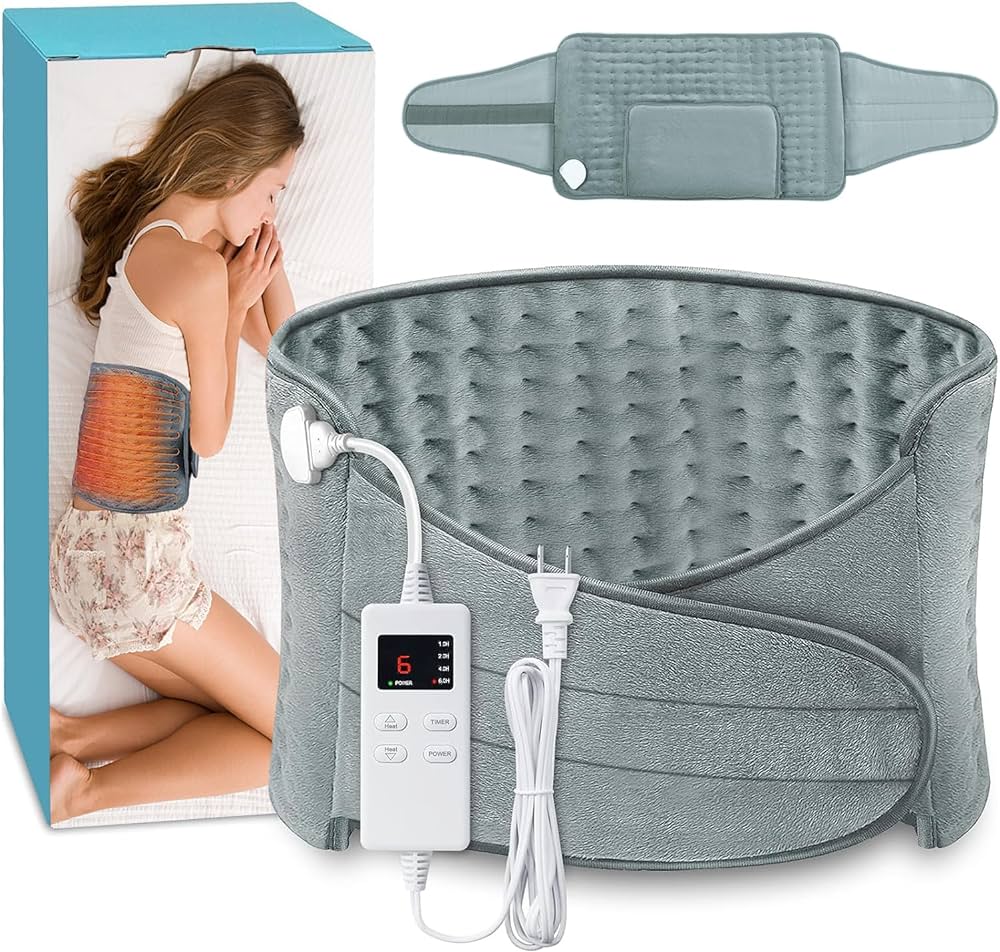
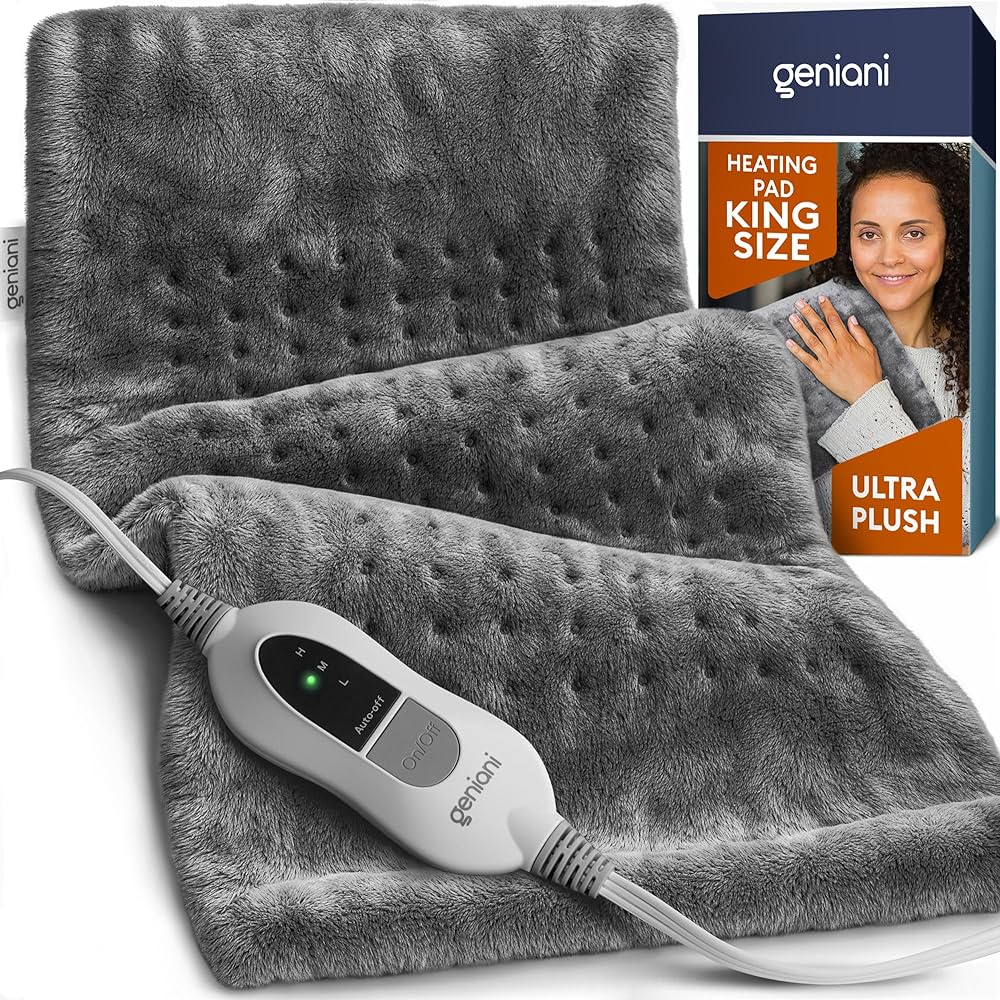
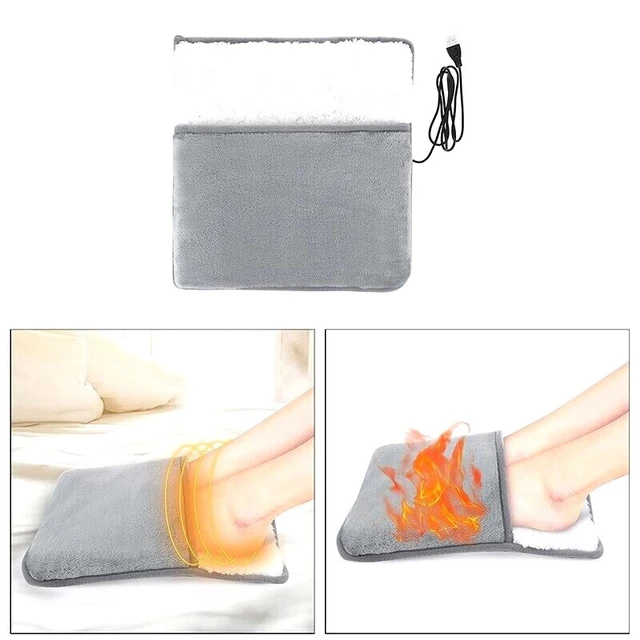
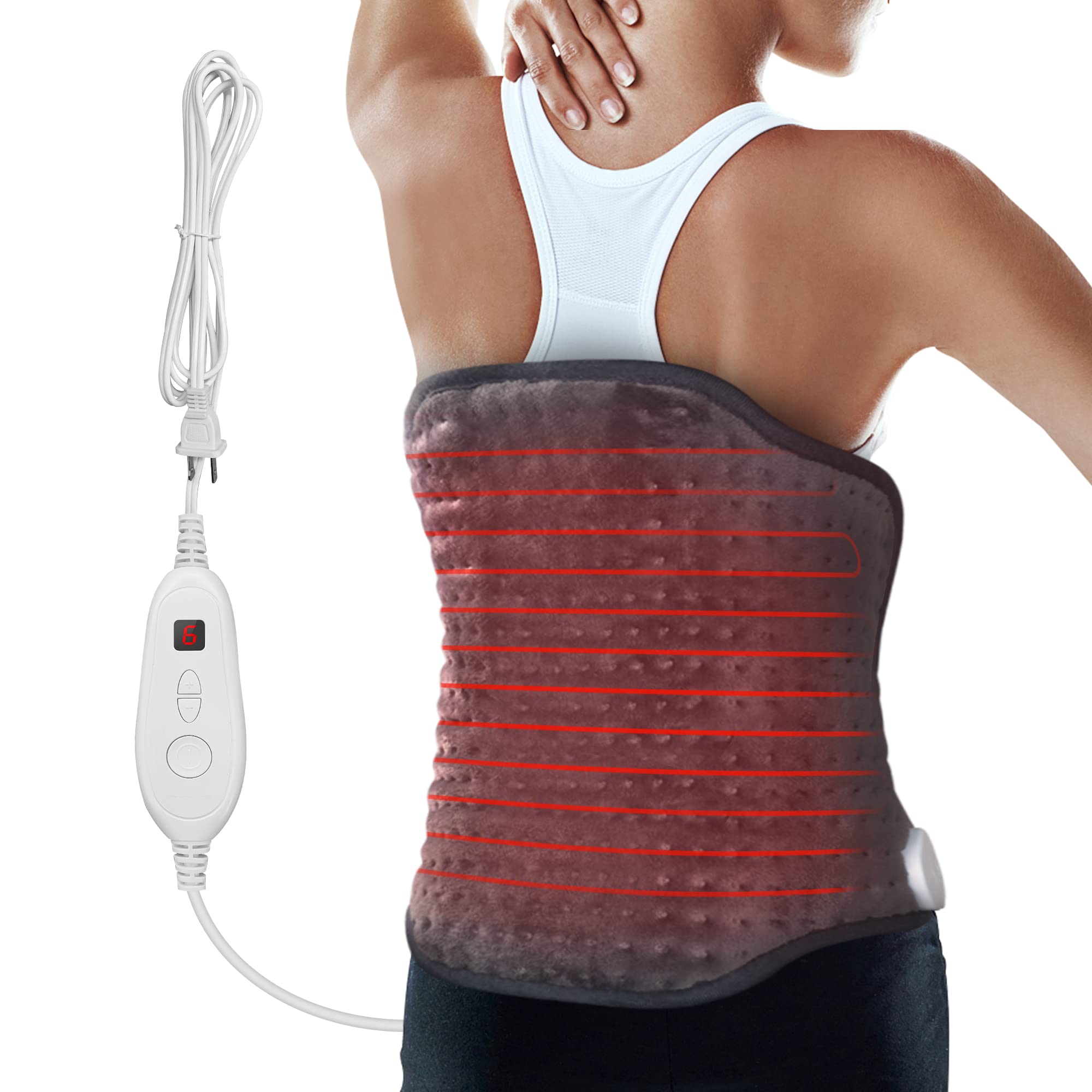
heating pad

Ice or Heat: Which is more effective for sciatica?

I. Ice Therapy: Cold Packs for Pain Relief

  1. Mechanism of Action:

  • Ice therapy, or cryotherapy, involves applying cold packs to the affected area. The cold temperature acts as a vasoconstrictor, reducing blood flow to the area, numbing nerve endings, and decreasing inflammation and pain.
  1. Benefits of Ice Therapy:

  • Ice therapy offers several advantages for managing sciatica, including pain relief, reduction of inflammation, and a numbing effect that helps alleviate discomfort. It can be particularly effective for acute pain and in cases where inflammation is a primary concern.
  1. Application Techniques:

  • Apply an ice pack wrapped in a thin cloth or towel directly to the affected area for approximately 15 to 20 minutes. Allow the skin to rest for at least 40 minutes before reapplying to prevent ice burn.
  1. Precautions and Side Effects:

  • Take care to not apply ice directly to the skin, as this can lead to cold burns. Also, individuals with cold sensitivity, reduced circulation, or impaired sensation should exercise caution and consult with a healthcare provider before using ice therapy.
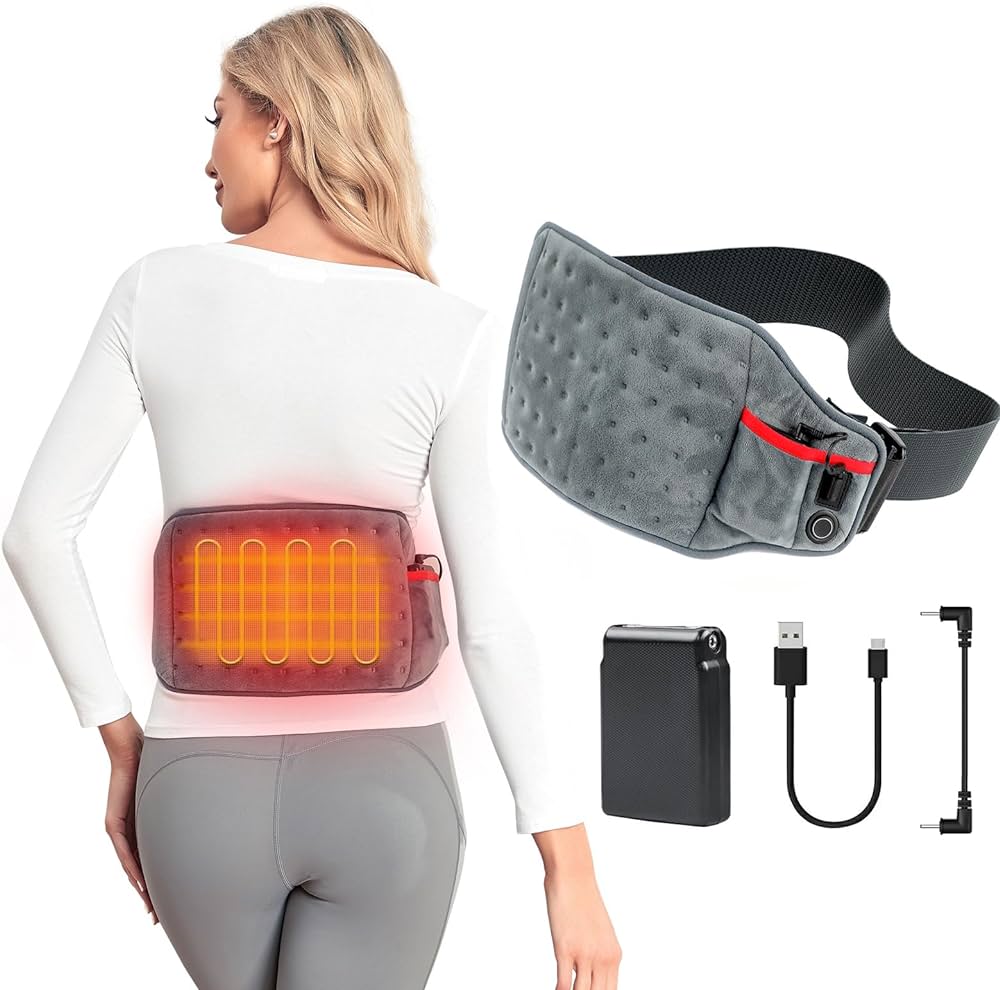
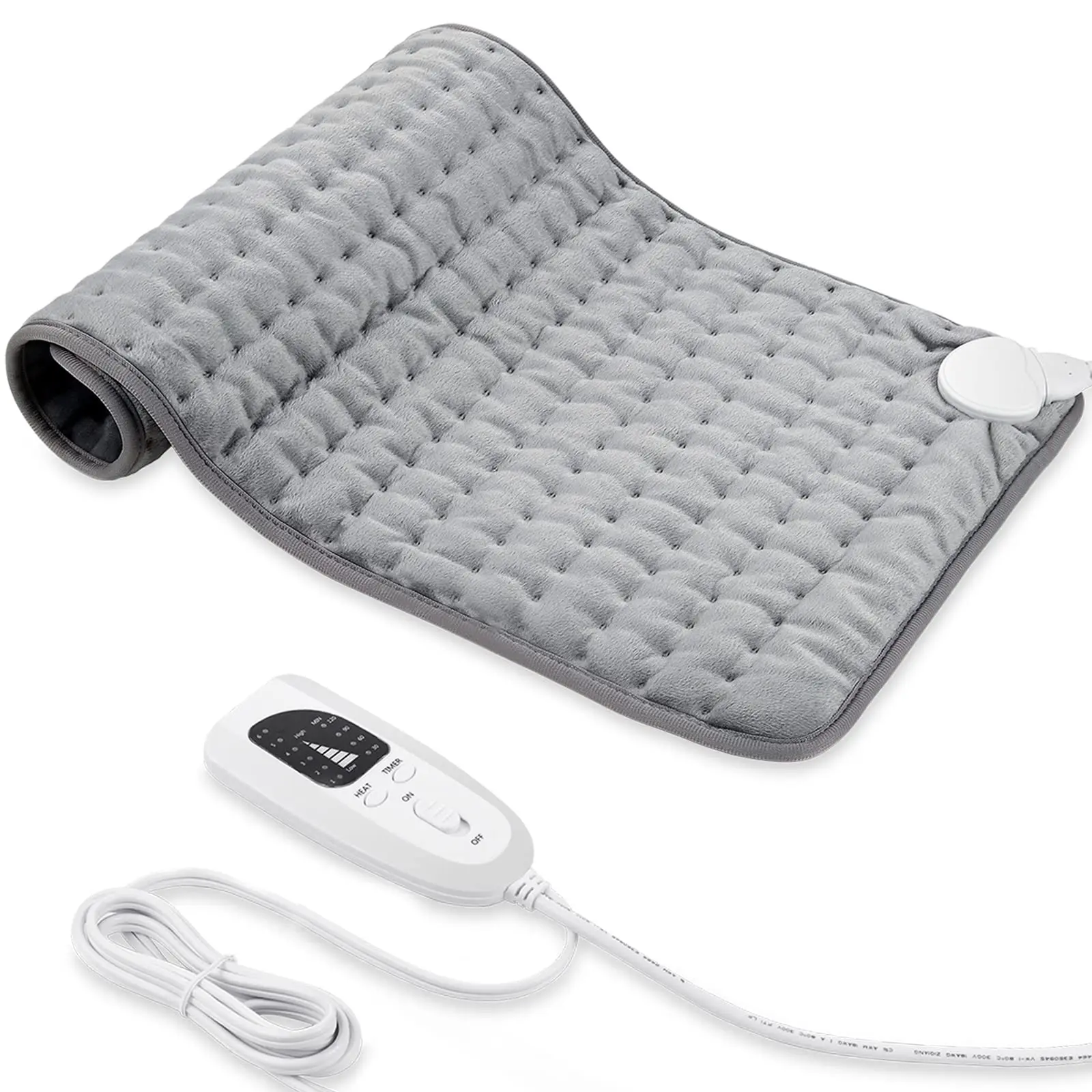
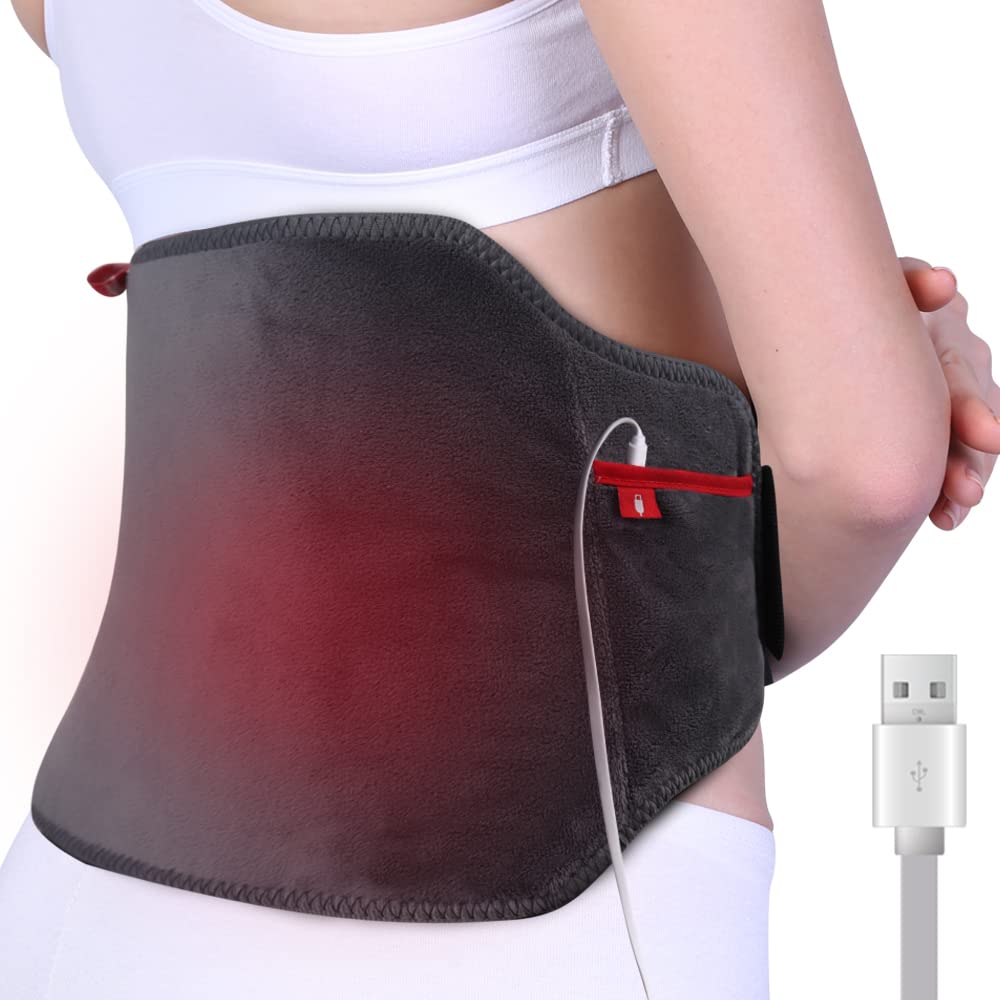
heating pad

II. Heat Therapy: Applying Warmth for Comfort

  1. Mechanism of Action:

  • Heat therapy involves applying warm objects or heat pads to specific areas. Heat increases blood flow, relaxes muscles, and promotes healing by easing tension and increasing flexibility. It can also help alleviate pain by improving circulation and reducing muscle spasms.
  1. Benefits of Heat Therapy:

  • Heat therapy offers numerous benefits for managing sciatica, including pain relief, increased muscle relaxation, improved blood circulation, and enhanced flexibility. It is often preferred for chronic pain or muscle tightness associated with sciatica.
  1. Application Techniques:

  • Apply a heat pad or warmed object directly to the affected area for approximately 15 to 20 minutes. Use caution to avoid excessive heat and burns, and ensure that the heat is comfortable and not causing discomfort.
  1. Precautions and Side Effects:

  • Be cautious not to use excessive heat, as it can lead to burns or skin damage. Individuals with heat sensitivity, impaired circulation, or difficulty sensing temperature changes should consult with a healthcare provider before using heat therapy.
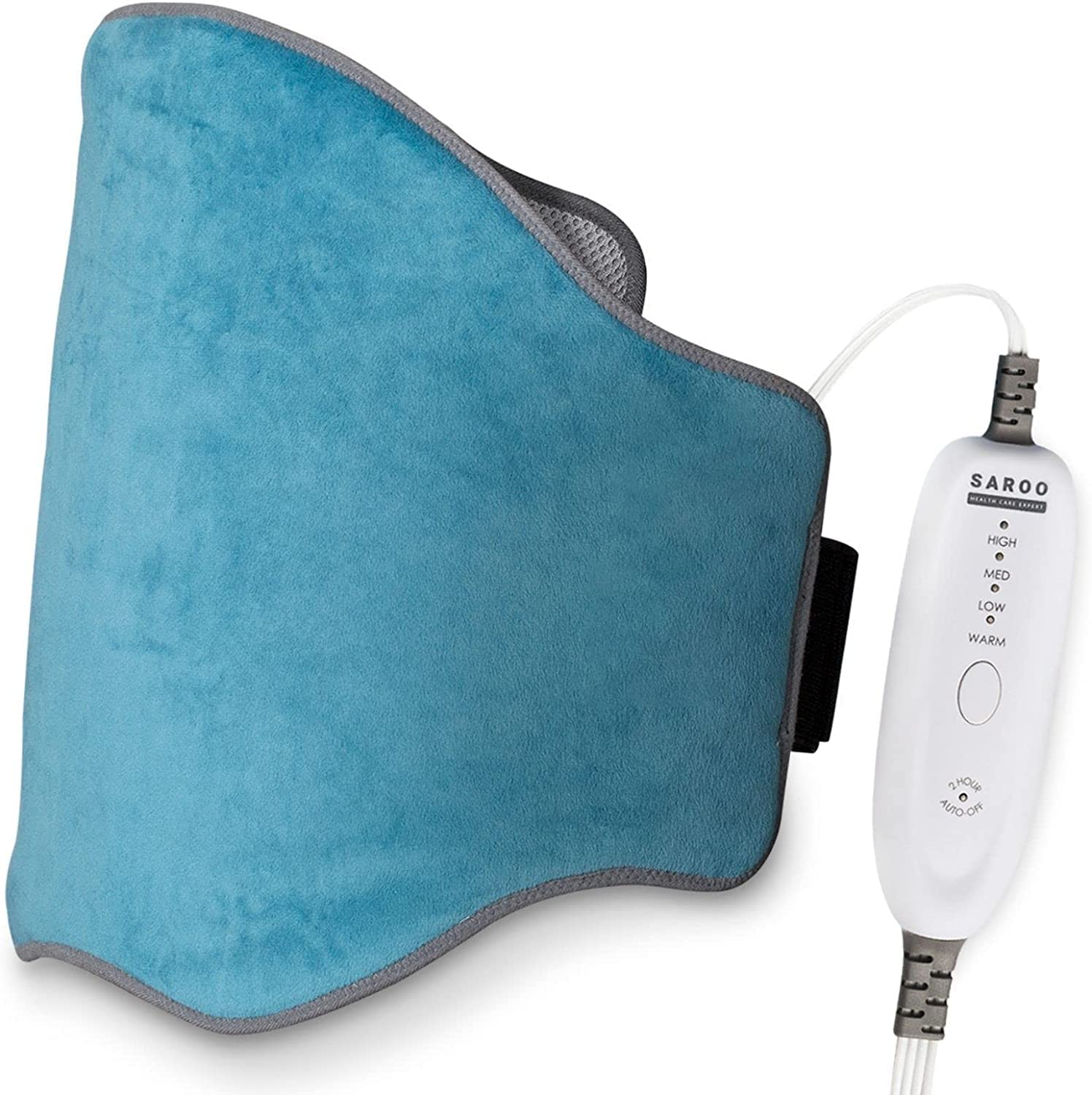
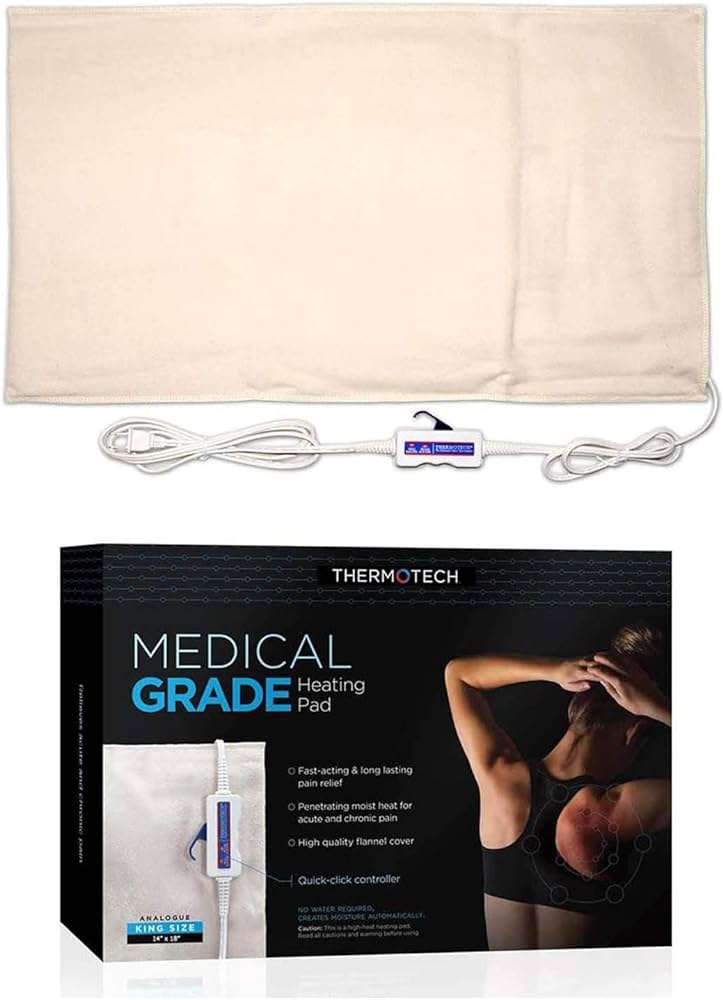
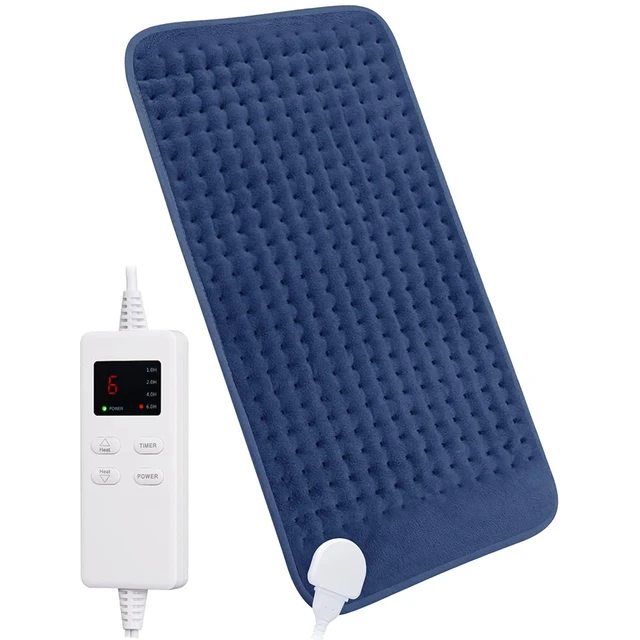
heating pad

III. Comparing Ice and Heat Therapy for Sciatica

  1. Acute vs. Chronic Pain:

  • Ice therapy is often recommended for acute pain or recent injuries, as it helps reduce inflammation and numbs the area. Heat therapy tends to be more suitable for chronic pain or muscle tension associated with sciatica. It relaxes muscles and enhances blood flow, promoting overall comfort.
  1. Inflammation and Swelling:

  • Ice therapy is more effective at reducing inflammation and swelling in the early stages of injury or flare-ups of sciatica. The cold constricts blood vessels, reducing blood flow to the area and limiting the release of inflammatory substances. Heat, on the other hand, enhances blood flow, which aids in the healing process but may exacerbate inflammation in acute cases.
  1. Muscle Relaxation and Tension:

  • Heat therapy is particularly effective for relaxing tense muscles and easing muscle spasms commonly associated with sciatica. Heat increases flexibility and improves blood circulation, which helps relax muscles, reducing pain and promoting mobility. Ice therapy, while not as effective for muscle relaxation, may help numb the area and relieve discomfort caused by muscle tension.
  1. Personal Preference and Response:

  • The effectiveness of ice or heat therapy can vary among individuals. Some individuals find one approach more effective than the other, while some may prefer to alternate between the two depending on the severity and nature of their symptoms. It may be helpful to experiment with both methods to determine which provides the most relief for your particular case of sciatica.
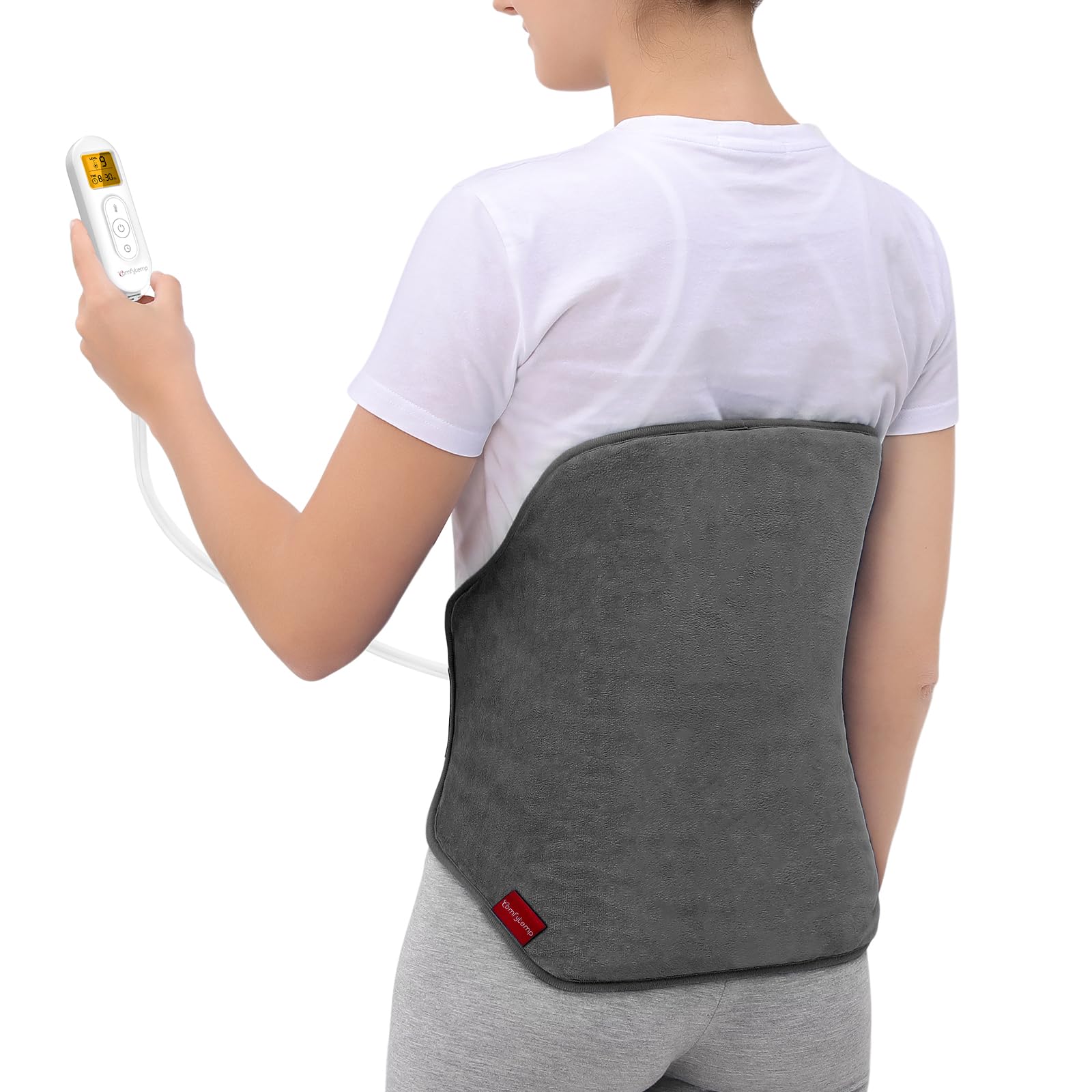
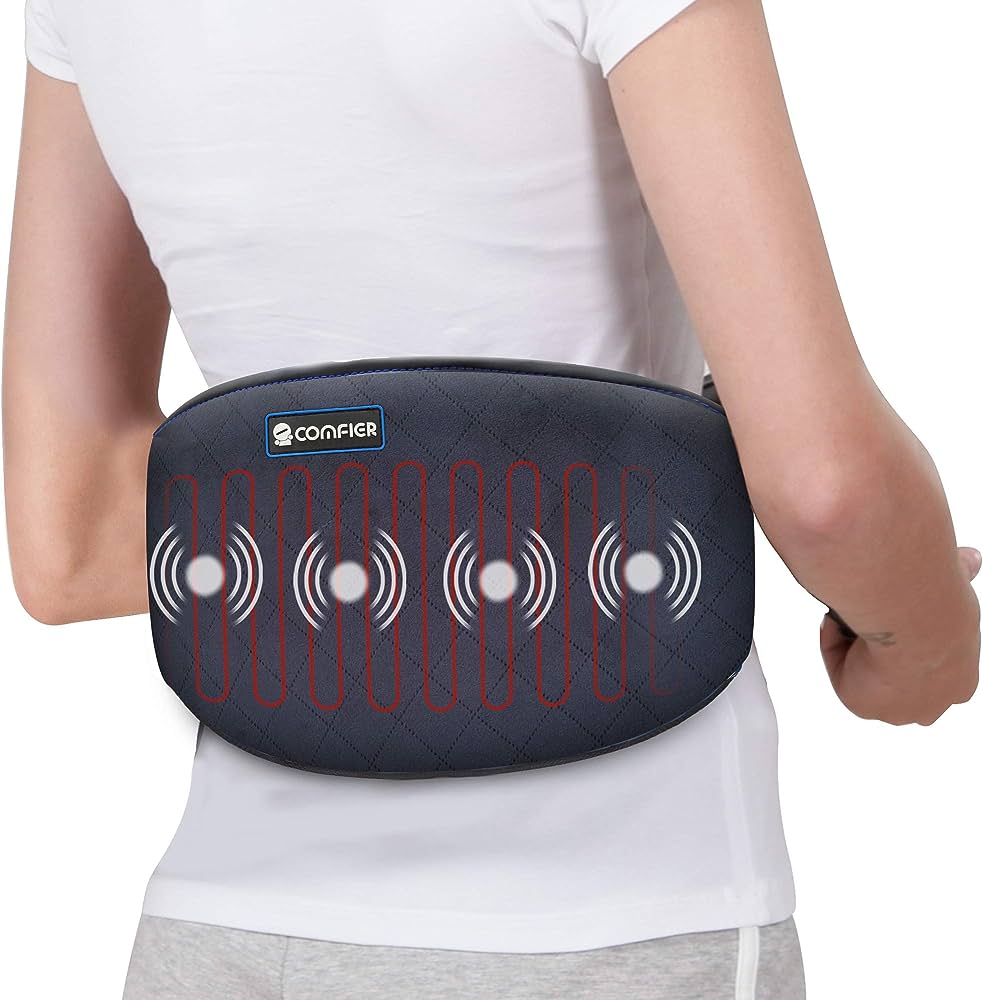
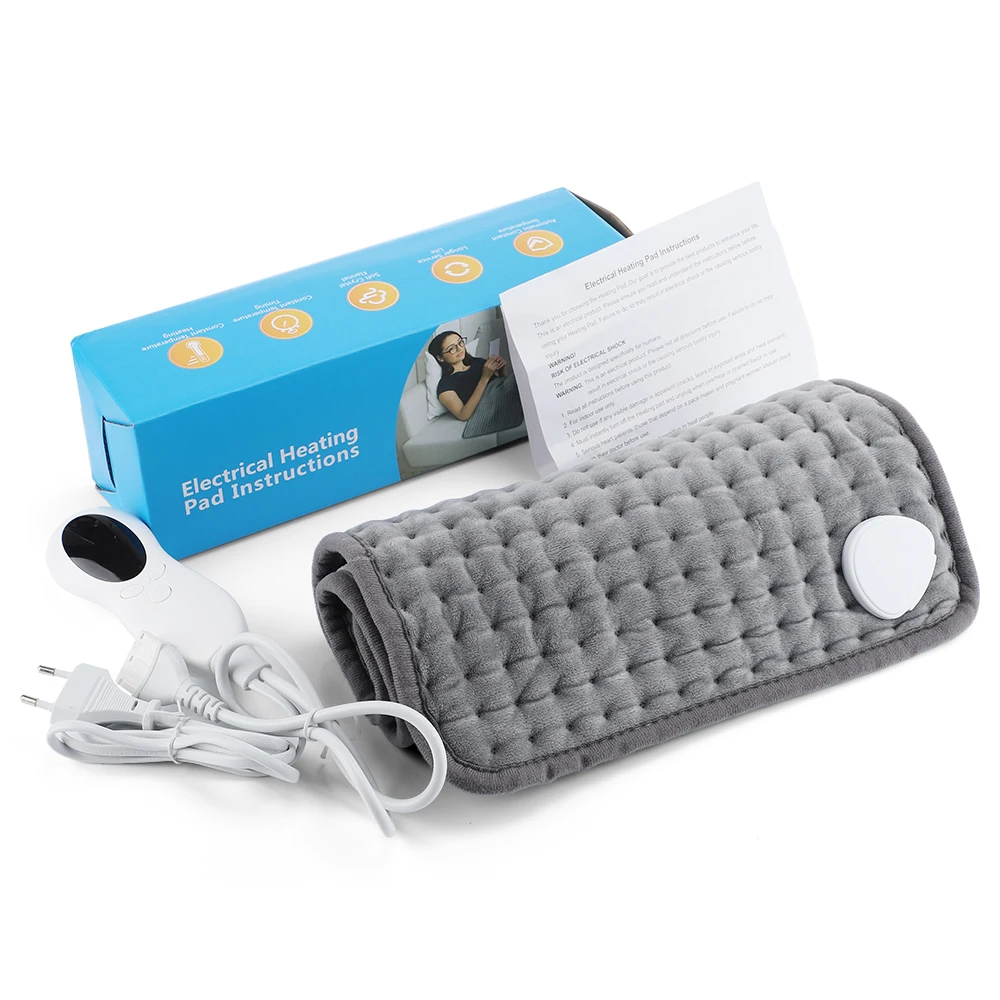
heating pad

IV. Combination Therapy: Ice and Heat Alternation

  1. Contrast Therapy:

  • Alternate use of ice and heat therapy, known as contrast therapy, may be beneficial for some individuals. The application of cold and heat in sequence can help manage pain, reduce inflammation, and promote overall relaxation of muscles. Start with ice therapy for approximately 10-15 minutes, followed by heat therapy for a similar duration. Repeat this alternation a few times, ending with heat therapy. This contrast can have a synergistic effect and potentially enhance overall pain relief for certain individuals.
  1. Personalized Approach:

  • When it comes to sciatica, there is no one-size-fits-all solution. It is essential to listen to your body and experiment with different treatments to find the optimal approach for yourself. Personal preference, symptom severity, and individual responses should all be considered when determining whether ice therapy, heat therapy, or a combination of the two works best for you.

V. Consulting a Healthcare Provider

  1. Underlying Conditions and Precautions:

  • Sciatica can have various underlying causes, and it is important to consult with a healthcare provider to determine the appropriate treatment approach. They can assess your condition, identify any contraindications, and provide personalized guidance specific to your needs.
  1. Individual Advice for Effective Management:

  • A healthcare provider can evaluate your sciatica symptoms, medical history, and lifestyle factors to develop a comprehensive treatment plan. They may recommend a combination of treatments and offer insights into whether ice or heat therapy would be more effective based on your specific case.
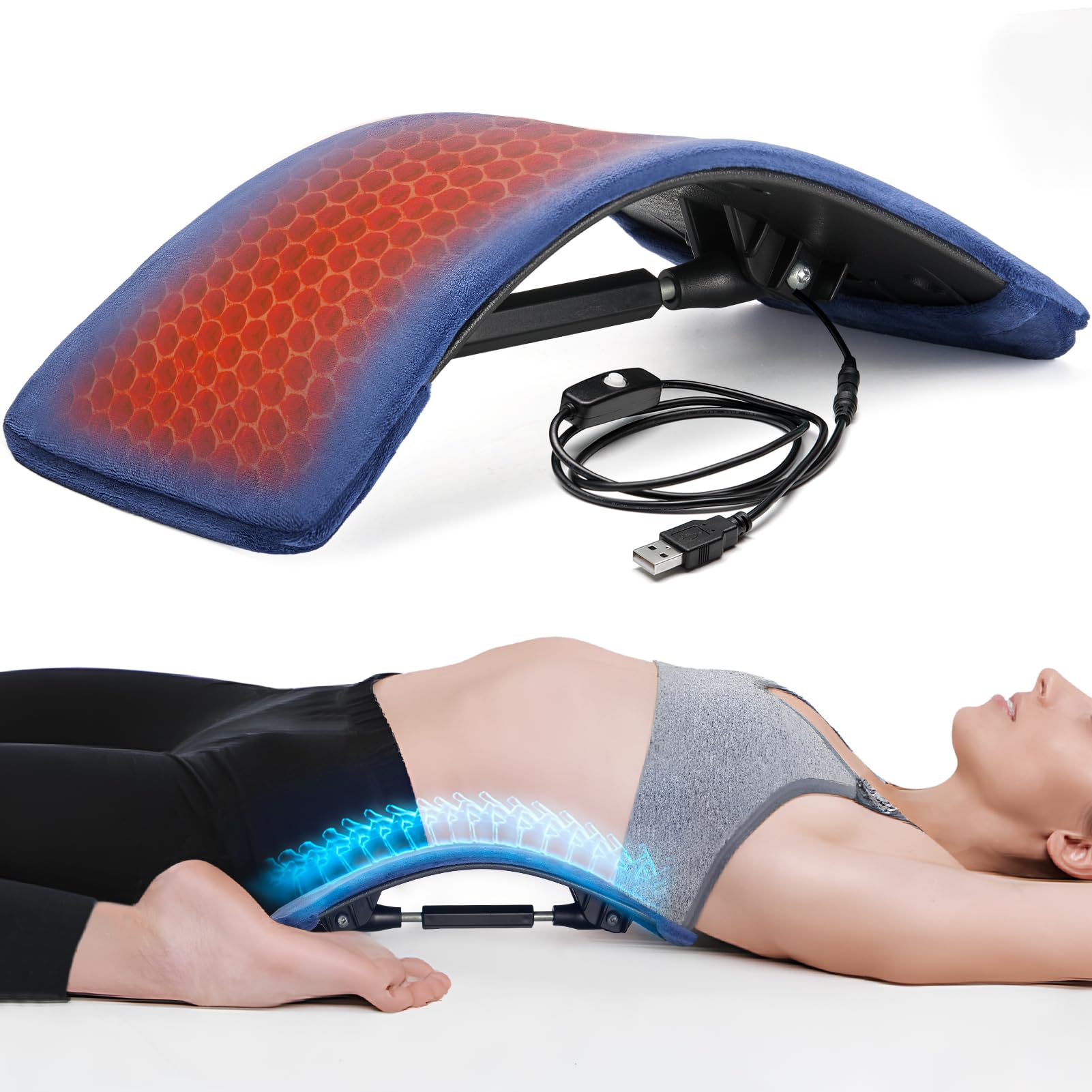
heating pad

VI. Conclusion

Both ice therapy and heat therapy can provide relief for individuals with sciatica, but their effectiveness depends on factors such as the nature of the pain, inflammation levels, and personal preferences. Ice therapy is effective for reducing inflammation, numbing pain, and managing acute flare-ups, while heat therapy promotes muscle relaxation, improves blood circulation, and offers comfort for chronic pain. Experimenting with both methods, considering individual responses, and consulting a healthcare provider can help determine the best approach for managing your sciatica symptoms. Combination therapy, such as contrast therapy, may also be beneficial for certain individuals. Remember, each person’s experience with sciatica is unique, and finding the most effective treatment often involves personalized approaches and adjusting treatment strategies accordingly.
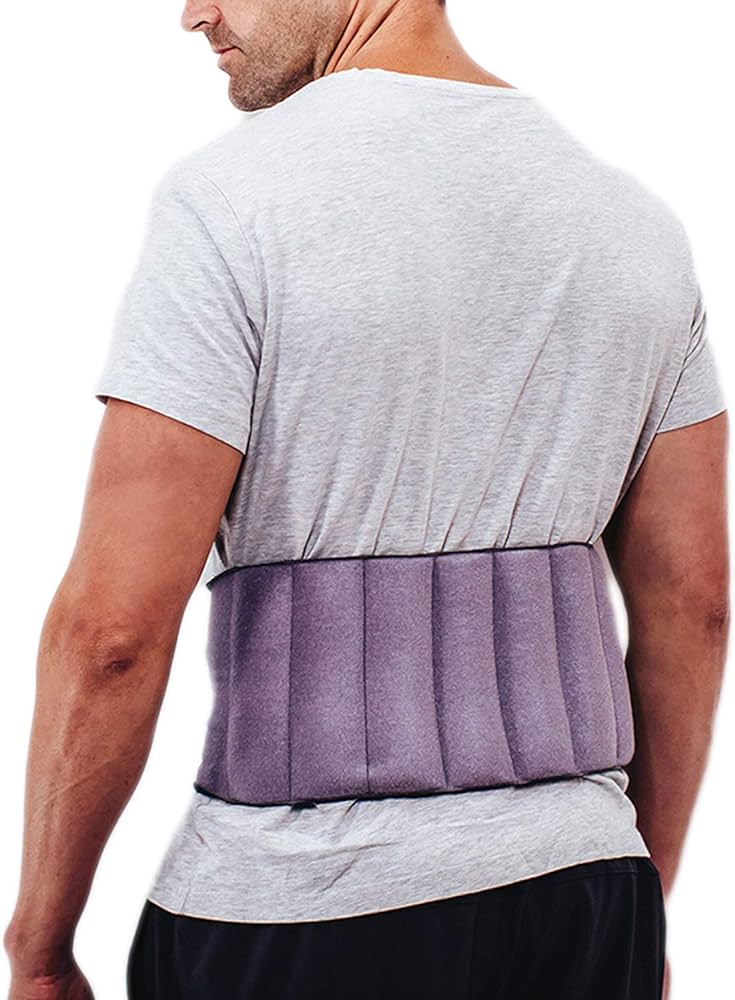
Home Appliance Personal Care
Do heat pads work for sciatica?

Introduction

Sciatica, characterized by pain radiating along the sciatic nerve, can be a debilitating condition that disrupts daily activities and reduces quality of life. As individuals seek relief from sciatic pain, heat pads have emerged as a popular non-invasive treatment option. However, before relying on heat pads for sciatica, it is important to understand their effectiveness and potential benefits. In this guide, we will explore the use of heat pads for sciatica, examining their potential benefits, application techniques, and important considerations. By gaining insight into the effectiveness of heat pads, you can make informed decisions about incorporating them into your sciatica management routine.

heating pad

Do heat pads work for sciatica?

I. Understanding Sciatica and Its Causes

  1. Sciatica Overview:

  • Sciatica refers to pain that radiates along the path of the sciatic nerve, typically affecting one side of the body. It can be caused by various conditions, such as a herniated disc, spinal stenosis, or piriformis syndrome, leading to nerve compression and inflammation.
  1. Common Symptoms:

  • Symptoms of sciatica may include sharp or shooting pain, tingling or numbness, muscle weakness, or difficulty in performing daily activities. These symptoms can significantly impact mobility and overall comfort.

II. Heat Therapy for Pain Management

  1. Heat Therapy Overview:

  • Heat therapy involves the application of heat to affected areas to provide pain relief and promote healing. It is commonly used for musculoskeletal conditions, including sciatica, as it can help relax muscles, improve blood flow, and reduce pain perception.
  1. Benefits of Heat Therapy:

  • Heat therapy offers several potential benefits for pain management, including increased comfort, muscle relaxation, improved circulation, and enhanced flexibility. These effects can provide temporary relief from pain and contribute to the overall management of sciatica symptoms.

heating pad

III. Application Techniques for Heat Pads

  1. Heat Pad Selection:

  • Choose a heat pad specifically designed for safe and effective use on the affected area. Opt for models that allow heat customization and have safety features such as automatic shut-off to prevent overheating.
  1. Heat Pad Precautions:

  • Read and follow the instructions provided with the heat pad to ensure safe and proper use. Use caution to avoid prolonged or excessive heat exposure, as this can lead to burns or skin damage.
  1. Heat Pad Application:

  • Apply the heat pad directly to the painful area, ensuring it covers the entire affected region. Secure the heat pad in place using straps or adhesive if necessary. Start with a low heat setting and gradually increase to a comfortable temperature, taking care to avoid excessive heat.

IV. Potential Benefits of Heat Pads for Sciatica

  1. Pain Relief:

  • Heat application can help alleviate sciatic pain by increasing blood flow and temporarily reducing pain perception. The warmth from a heat pad can promote muscle relaxation and soothe the affected area, providing immediate relief from discomfort.
  1. Muscle Relaxation:

  • Sciatica often involves tension and tightness in the surrounding muscles. Heat therapy helps relax the muscles, reducing muscle spasms and allowing for greater flexibility and movement.
  1. Improved Blood Circulation:

  • Heat can dilate blood vessels and improve blood circulation in the affected area. This enhanced circulation promotes the delivery of oxygen and nutrients to the tissues, aiding in the healing process and reducing inflammation.
  1. Increased Comfort and Relaxation:

  • The warmth from a heat pad can create a soothing, comforting sensation. This can have a relaxing effect on the body and mind, promoting a sense of calm and reducing stress associated with sciatica pain.

heating pad

V. Effectiveness and Individual Response

  1. Varied Responses:

  • The effectiveness of heat pads for sciatica can vary among individuals. Some individuals may experience immediate relief and significant benefits, while others may find heat therapy less effective. Individual response to heat therapy can be influenced by factors such as the severity of the condition, personal pain thresholds, and the underlying cause of sciatica.
  1. Combination Therapy:

  • Heat therapy, including the use of heat pads, is often more effective when used in combination with other forms of treatment. It can be beneficial to complement heat therapy with stretching exercises, physical therapy, pain medications, or other recommended interventions for comprehensive sciatica management.

VI. Considerations and Precautions

  1. Duration and Frequency:

  • Apply the heat pad for a duration recommended by the manufacturer or healthcare provider. Generally, 15 to 20 minutes of heat application is sufficient. Limit heat therapy to a few times per day to avoid skin irritation or burns.
  1. Temperature Sensitivity:

  • Certain individuals may have heightened sensitivity to heat. Monitor your skin’s response during heat pad application and adjust the temperature or duration if needed to prevent discomfort or burns.
  1. Safety Precautions:

  • Follow safety guidelines provided by the heat pad manufacturer and adhere to usage recommendations to minimize the risk of injury. Avoid falling asleep with a heat pad on and be cautious when using heat pads around children or individuals with reduced heat sensitivity.
  1. Check with a Healthcare Provider:

  • If you have underlying medical conditions or are unsure about incorporating heat therapy into your sciatica management routine, consult with a healthcare provider. They can provide personalized guidance and ensure that heat therapy is safe and appropriate for your specific situation.

heating pad

VII. Supplementary Treatments and Lifestyle Modifications

  1. Stretching and Strengthening Exercises:

  • Incorporate stretching and strengthening exercises recommended by a healthcare provider or physical therapist to improve flexibility, reduce muscle tension, and support overall sciatica management.
  1. Posture and Body Mechanics:

  • Adopting proper posture and practicing good body mechanics can alleviate stress on the sciatic nerve and reduce the likelihood of exacerbating sciatica symptoms. Maintain a neutral spine, use ergonomic seating and lifting techniques, and take regular breaks from prolonged sitting or standing.
  1. Pain Medications and Topical Treatments:

  • Discuss with a healthcare provider the option of oral pain medications or topical treatments, such as creams or gels, as complementary approaches for managing sciatica pain alongside heat therapy strategies.

heating pad

VIII. Conclusion

Heat pads can provide temporary relief and offer potential benefits for individuals experiencing sciatica pain. Heat therapy, including the application of heat pads, can help relax muscles, increase blood circulation, and reduce pain perception. However, the effectiveness of heat pads can vary among individuals, and they should be used as part of a comprehensive approach to sciatica management, incorporating other treatment options such as exercise, proper posture, and pain medications as needed. Adhering to recommended application techniques, considering individual responses, and practicing necessary precautions are important when using heat pads for sciatica. If you have persistent or worsening symptoms, consult with a healthcare provider to develop a personalized treatment plan that addresses your specific needs.

Home Appliance Personal Care
Is heat or ice better for neck pain from sleeping wrong?

Introduction


Waking up with neck pain, commonly known as a “crick in the neck,” can be a frustrating and uncomfortable experience. When seeking relief, it’s essential to determine whether heat or ice is the most effective treatment. Both heat and ice have their benefits and can provide relief for neck pain caused by sleeping in an awkward position. In this guide, we will compare the effects of heat and ice therapy on neck pain, exploring their individual advantages and appropriate usage. By understanding the benefits of each treatment, you can make an informed decision in selecting the most suitable approach for addressing your neck pain.

heating pad

Is heat or ice better for neck pain from sleeping wrong?

Ice Therapy for Neck Pain

1.1. Reducing Inflammation

Applying ice to the neck can help reduce inflammation, a common cause of pain and discomfort. The cold temperature constricts blood vessels and reduces swelling, suppressing inflammation in the affected area. This effect can be particularly beneficial if your neck pain is accompanied by visible swelling or tenderness.


1.2. Numbing Pain

Ice therapy can help numb the nerve endings in the neck, temporarily alleviating pain. The cold sensation creates a numbing effect, diminishing the perception of pain and providing immediate relief. Ice also helps to reduce the transmission of pain signals to the brain, further reducing discomfort.


1.3. Managing Acute Injuries

Ice therapy is especially effective for managing acute injuries that result in neck pain, such as strains, sprains, or muscle spasms. The application of ice helps to minimize tissue damage and control the immediate inflammatory response to the injury, expediting the healing process.

heating pad

Heat Therapy for Neck Pain

2.1. Relaxing Muscles

Applying heat to the neck promotes muscle relaxation and increases blood flow. Heat enhances the circulation of oxygen and nutrients to the affected area, assisting in the repair and recovery of damaged tissues. It is particularly helpful for relieving tension and tightness in the neck muscles caused by sleeping in an awkward position.


2.2. Easing Stiffness

Heat therapy can effectively alleviate stiffness and improve flexibility in the neck. By increasing the temperature, heat relaxes the muscles and soft tissues, facilitating the release of built-up tension. This can significantly reduce the feeling of stiffness and enhance range of motion.


2.3. Providing Comfort and Soothing Sensations

Applying heat to the neck can provide immediate comfort and soothing sensations. The warmth relieves muscle spasms, aids in stress reduction, and creates a sense of relaxation that helps alleviate neck pain. Heat therapy is often preferred by individuals seeking a gentle and comforting approach to pain management.

heating pad

Determining the Most Suitable Treatment

3.1. Acute or Chronic Pain

Consider the nature of your neck pain to determine whether ice or heat therapy is more appropriate. Ice therapy is often recommended for acute injuries or sudden onset pain, as it helps reduce swelling and inflammation. Heat therapy, on the other hand, is better suited for chronic pain or stiffness that persists over a longer period. Determining the underlying cause and duration of your neck pain will guide you in selecting the most suitable treatment.


3.2. Individual Preferences

Personal preference plays a significant role in choosing between heat and ice therapy. Some individuals find the soothing warmth of heat therapy more comforting and relaxing, while others prefer the numbing and cooling effects of ice therapy. Experimentation and listening to your body’s response can help determine which treatment provides the most effective relief for your neck pain.


3.3. Trial and Alternation

In certain cases, a combination of ice and heat therapy may provide the best results. If you are unsure about which treatment to choose, you can try alternating between ice and heat. Start with ice therapy to reduce inflammation and numb pain, and then switch to heat therapy after 2-3 days to promote muscle relaxation and increase blood flow. Observing how your body responds to each treatment can guide you in establishing a personalized approach to managing your neck pain.


Safety Considerations

4.1. Duration of Treatment

To avoid potential adverse effects, it is important not to exceed the recommended duration for applying heat or ice. Ice therapy should typically be applied for 15-20 minutes, while heat therapy sessions can range from 15-30 minutes. Prolonged exposure to extreme temperatures can lead to skin damage, irritation, or burns.


4.2. Proper Use of Heat and Ice

When using heat or ice therapy, always wrap the heat or ice pack in a thin towel or cloth to protect the skin. Direct contact between the pack and the skin can cause burns or frostbite. Regularly check the affected area for any signs of adverse reactions, such as excessive redness, blistering, or numbness, and discontinue use if any such symptoms occur.


4.3. Seek Medical Advice

If your neck pain persists or worsens despite using heat or ice therapy, it is advisable to seek medical advice. A healthcare professional can assess the underlying cause of your neck pain and recommend appropriate treatment options or further evaluation, if necessary.

heating pad

Considerations for Specific Conditions

5.1. Inflammation and Swelling

If your neck pain is accompanied by significant inflammation and swelling, ice therapy is generally more beneficial. The cold temperature helps reduce swelling by constricting blood vessels and decreasing fluid buildup. This can provide relief and promote healing in cases where inflammation is a prominent factor.


5.2. Muscle Tension and Stiffness

For neck pain primarily caused by muscle tension and stiffness, heat therapy is often more effective. Applying heat relaxes the muscles, improves blood flow, and enhances flexibility. Heat therapy can help relieve tightness and promote relaxation, making it ideal for individuals experiencing muscle-related pain and stiffness.


5.3. Traumatic Injuries

In the case of recent traumatic injuries, such as whiplash or strains resulting from accidents or falls, ice therapy is typically recommended. Ice can help reduce swelling, numb immediate pain, and limit tissue damage caused by the injury. It is crucial to seek medical attention for proper evaluation and guidance in managing traumatic neck injuries.

heating pad

Conclusion


Both heat and ice therapy can provide effective relief for neck pain caused by sleeping in an awkward position. Ice therapy helps reduce inflammation and numb pain, making it suitable for acute injuries. Heat therapy relaxes muscles, eases stiffness, and provides comforting sensations, making it ideal for chronic pain or stiffness. Determining the most suitable treatment depends on the nature of the pain, individual preference, and trial and error. Remember to follow safety guidelines, alternate between treatments if necessary, and seek medical advice if the pain persists or worsens. By understanding the benefits and considerations of heat and ice therapy, you can choose the most appropriate approach to alleviate your neck pain and facilitate a speedy recovery.

Home Appliance Personal Care
Are microwave heat packs safe?

Introduction


Microwave heat packs have gained popularity as a convenient and effective solution for pain relief and relaxation. These packs, often filled with natural materials like rice or flaxseed, are heated in a microwave oven and then applied to various parts of the body to provide heat therapy. While microwave heat packs offer many benefits, concerns about their safety have also been raised. In this guide, we will examine the safety aspects of microwave heat packs, exploring the potential risks and providing specific insights into their safe usage. By understanding the safety considerations, consumers can make informed decisions and utilize microwave heat packs responsibly.

heating pad

Are microwave heat packs safe?

Potential Risks and Precautions

1.1. Overheating and Burning

One of the primary safety concerns with microwave heat packs is the risk of overheating and burning the user. If the pack is heated for too long or at too high of a temperature, it can become dangerously hot and cause burns to the skin. To mitigate this risk, it is crucial to follow the manufacturer’s instructions regarding heating time and temperature settings. Additionally, always test the heat pack on a small patch of skin before applying it to ensure that it is at a comfortable and safe temperature.


1.2. Uneven Heating

Microwave heat packs can heat unevenly, with certain areas becoming hotter than others. This can increase the risk of burns if the hot areas come into direct contact with the skin. To minimize this risk, it is recommended to knead or shake the heat pack after heating to distribute the heat evenly. This ensures that the pack is uniformly heated and reduces the chance of localized hotspots.


1.3. Fire Hazard

Microwave heat packs can pose a fire hazard if not used correctly. Overheating or prolonged heating can lead to the pack igniting or catching fire. To prevent this, it is crucial to adhere to the manufacturer’s guidelines regarding heating time and temperature. Avoid leaving the pack unattended in the microwave and use a microwave-safe container or cover to avoid direct contact between the pack and the microwave’s interior.

heating pad

Choosing a Safe Microwave Heat Pack

2.1. Quality and Construction

When selecting a microwave heat pack, prioritize those made with high-quality materials and construction. Look for packs that are well-sewn, using durable and heat-resistant fabrics. Poor construction and low-quality materials may increase the likelihood of bursting or leaking the heat pack’s contents, posing potential safety hazards.


2.2. Weight and Size

Consider the weight and size of the heat pack, as this can affect heat distribution and safety. Larger heat packs may require longer heating times, increasing the risk of overheating. Similarly, heavier heat packs may retain heat for longer periods, also increasing the risk of burns. Opt for heat packs that are of an appropriate size and weight for the intended use, ensuring that they can be adequately heated without posing safety risks.


2.3. Allergen Considerations

Some individuals may have allergies or sensitivities to certain fillings commonly used in microwave heat packs, such as rice or flaxseed. Before purchasing a heat pack, carefully review the filling materials and consult product information to ensure that they are safe for you to use. If you have any concerns about potential allergens, consider alternative materials such as corn, wheat, or synthetic fillers.

heating pad

Safe Usage Guidelines

3.1. Follow Manufacturer’s Instructions

Every microwave heat pack will come with specific instructions for heating and usage. It is crucial to carefully read and follow these instructions to ensure safe and effective use. Pay attention to recommended heating times, temperature settings, and any additional precautions provided by the manufacturer.


3.2. Do Not Overheat

Avoid overheating the heat pack by exceeding the recommended heating time or temperature settings. Heating the pack for too long or at high temperatures can lead to burns or fire hazards. If the pack feels excessively hot after heating, allow it to cool down before applying it to the skin.


3.3. Regularly Inspect for Damage

Regularly inspect your microwave heat pack for any signs of damage or wear. Check for tears, leaks, or other signs of compromised construction. If any damage is detected, discontinue use immediately and replace the pack with a new one to ensure safety.


3.4. Allow Sufficient Cooling Time

After heating the microwave heat pack, allow it to cool for a few minutes before handling or applying it to the body. This cooling period allows the pack to reach a safe and comfortable temperature, reducing the risk of burns.

heating pad

Alternatives to Microwave Heat Packs

4.1. Hot Water Bottles

If there are concerns about the safety or proper use of microwave heat packs, hot water bottles are a reliable alternative. Hot water bottles filled with warm (not boiling) water can provide similar heat therapy benefits. Ensure that the water is at a comfortable temperature and use a cover or towel to prevent direct contact with the skin.


4.2. Electric Heating Pads

Electric heating pads allow for controlled and adjustable heat, offering a safe alternative for heat therapy. They typically have a range of temperature settings and built-in safety features such as automatic shut-off timers. Follow the manufacturer’s instructions for safe usage and ensure that the heating pad is in good condition.


Safety Precautions for Specific Populations

5.1. Children

Special precautions should be taken when using microwave heat packs with children. Caregivers should supervise the heating process and ensure that the pack is not too hot before applying it to the child’s skin. It is important to teach children how to handle heat packs safely and to explain the potential risks to them.


5.2. Elderly or Individuals with Reduced Sensation

Elderly individuals or those with reduced sensation may be less aware of temperature changes or discomfort, increasing their vulnerability to burns. Extra caution should be exercised when using microwave heat packs with this population. Caregivers should regularly check the temperature of the pack and closely monitor its application to ensure the individual’s safety.

heating pad

Conclusion


Microwave heat packs can offer effective, convenient, and cost-efficient heat therapy. However, it is essential to approach their usage with caution and adhere to safety guidelines. The potential risks of overheating, uneven heating, and fire hazards can be mitigated by following manufacturer’s instructions, choosing high-quality products, and practicing safe usage. Regularly inspecting the heat pack for damage and allowing sufficient cooling time are additional precautions to ensure safety. If there are concerns about microwave heat packs, alternative options like hot water bottles or electric heating pads can provide safer alternatives. By employing these safety measures, individuals can confidently use microwave heat packs to experience the benefits of heat therapy while minimizing potential risks.

Home Appliance Personal Care
Is heating pad good for neck pain?

Introduction


Neck pain is a common issue that can arise from various causes, including muscle strain, poor posture, or underlying medical conditions. To alleviate discomfort and promote relaxation, many individuals turn to heating pads as a non-invasive and drug-free solution. In this guide, we will explore the benefits of using a heating pad for neck pain and provide specific insights into its usage. From targeted heat therapy to promoting blood circulation and muscle relaxation, we will delve into the advantages and considerations associated with using a heating pad for neck pain relief.

heating pad

Is heating pad good for neck pain?

Targeted Heat Therapy

1.1. Direct Heat Application

One of the primary benefits of using a heating pad for neck pain is the ability to apply heat directly to the affected area. The heat penetrates deeply into the muscles, promoting relaxation and helping to alleviate discomfort.


1.2. Muscle Relaxation

Heat therapy helps relax the muscles in the neck and surrounding areas. By increasing blood flow and enhancing circulation to the affected region, heating pads can help reduce muscle tension and promote a greater sense of relief.


Increased Blood Circulation

2.1. Vasodilation

The heat from a heating pad causes vasodilation, which is the dilation or widening of blood vessels. This expansion of the blood vessels increases blood flow to the neck area, delivering essential nutrients and oxygen to the muscles, tendons, and ligaments. Improved circulation aids in the repair and healing of damaged tissues.

heating pad

2.2. Removal of Waste Products

Enhanced blood circulation also aids in the removal of waste products and toxins that may contribute to inflammation and discomfort in the neck. This process promotes a healthier and more conducive environment for healing.


Relieves Muscle Tension

3.1. Soothes Sore Muscles

Heat from a heating pad helps relax and soothe sore muscles in the neck. It can provide relief from muscle spasms, knots, and tightness, which commonly contribute to neck pain.


3.2. Increasing Flexibility

By promoting muscle relaxation, heating pads can help improve flexibility and range of motion in the neck. This is particularly beneficial for individuals suffering from stiffness due to conditions like cervical arthritis or cervical spondylosis.


Alleviates Arthritis Discomfort

4.1. Effective for Arthritic Neck Pain

Arthritis, such as osteoarthritis or rheumatoid arthritis, is a common cause of neck pain. Heating pads can provide significant relief by reducing inflammation, increasing circulation, and alleviating stiffness associated with arthritis.


4.2. Enhancing Joint Mobility

Heat therapy from a heating pad can help improve joint mobility by reducing stiffness and increasing flexibility. This can help individuals with arthritis regain range of motion and perform daily activities with greater ease.

heating pad

Stress Reduction

5.1. Relaxation and Comfort

Neck pain often leads to feelings of stress and tension. Using a heating pad provides not only physical relief but also a sense of relaxation and comfort. The warmth and soothing sensation can help reduce stress levels and promote overall well-being.


5.2. Promotes Sleep

By alleviating neck pain and discomfort, a heating pad can contribute to improved sleep quality. Relaxing the muscles and reducing pain allow for a more restful and rejuvenating sleep, providing the body with essential time to heal and recover.


Usage Tips

6.1. Proper Application

When using a heating pad for neck pain, it is important to follow these guidelines for safe and effective usage:


Place the heating pad on the affected area, ensuring that it covers the entire region of discomfort.

Adjust the temperature on the heating pad to a level that is comfortable and well-tolerated.

Start with a low temperature and gradually increase if desired, but avoid using excessive heat that can cause burns or skin damage.

Limit each session to 15-20 minutes to prevent overheating or irritation.

6.2. Moist Heat or Dry Heat

Heating pads are available in both moist and dry options. Moist heat can be more effective for deep penetration and muscle relaxation. To use moist heat, dampen a towel and place it between the heating pad and the neck. Dry heat can still provide relief, but moist heat may offer additional benefits for neck pain relief.

heating pad

6.3. Timing and Frequency

Using a heating pad for neck pain relief can be done as needed throughout the day. However, it is advisable to refrain from applying heat immediately after an injury or when inflammation is present. Consult with a healthcare professional if you have concerns about the timing and frequency of heat therapy.


Precautions and Considerations

7.1. Consult a Healthcare Professional

If you have persistent or chronic neck pain, it is advisable to consult a healthcare professional for an accurate diagnosis and proper treatment recommendations. They can assess your condition and provide specific guidance on using a heating pad for optimal results.


7.2. Avoid Direct Contact with Skin

To prevent burns or skin irritation, avoid placing the heating pad directly on bare skin. Always use a protective barrier, such as a towel or cloth, between the heating pad and the neck.


7.3. Heat Sensitivity and Medical Conditions

Individuals with heat sensitivity or certain medical conditions, such as diabetes or cardiovascular disorders, should exercise caution when using a heating pad. It is vital to consult with a healthcare professional to ensure the safe and appropriate use of heat therapy.


Alternative Heat Therapy Options

9.1. Hot Water Bottle or Warm Towel

If a heating pad is not available, alternative heat therapy options such as a hot water bottle or a warm towel can also provide some relief for neck pain. Fill a hot water bottle with warm water (not hot) and place it on the affected area. Alternatively, soak a towel in warm water, wring out the excess water, and apply it to the neck.


9.2. Heating Patches or Wraps

Heating patches or wraps are convenient alternatives to heating pads. These adhesive patches or wraps contain a heat-generating substance that provides targeted heat therapy to the neck area. They are easy to use and offer flexibility and mobility while still delivering effective heat therapy.


Combining Heat Therapy with Other Treatments

10.1. Stretching and Exercise

Heat therapy from a heating pad can help prepare the muscles for stretching and exercise. After applying heat, perform gentle neck stretches and exercises recommended by a healthcare professional. This combination can further help relieve neck pain and improve flexibility.


10.2. Over-the-Counter Pain Medications

Heat therapy from a heating pad can be complemented with over-the-counter pain medications, such as ibuprofen or acetaminophen. These medications can provide temporary relief from pain and inflammation associated with neck discomfort. However, it is important to consult with a healthcare professional before using any medications.

heating pad

Conclusion

A heating pad can be an effective and convenient tool for relieving neck pain. By providing targeted heat therapy, increasing blood circulation, relieving muscle tension, and promoting relaxation, heating pads offer a non-invasive and drug-free method for neck pain relief. When used properly and with the necessary precautions, heating pads can provide comfort, alleviate discomfort, and contribute to overall well-being. However, it is important to consult with a healthcare professional for a proper diagnosis and guidance on using a heating pad in combination with other treatment modalities for optimal results.

Home Appliance Personal Care
Are there any benefits to using a heating pad during pregnancy?

Introduction


Pregnancy often brings about various physical discomforts, such as muscle aches, joint pain, and cramping. To alleviate these discomforts, many expectant mothers turn to various methods, including the use of a heating pad. While it is important to exercise caution when using a heating pad during pregnancy, there are potential benefits associated with its use. In this guide, we will explore the potential benefits of using a heating pad during pregnancy and provide specific information to help you make an informed decision about its use.

heating pad

Are there any benefits to using a heating pad during pregnancy?

Relaxation and Stress Reduction

1.1. Soothing Muscles

One potential benefit of using a heating pad during pregnancy is the relaxation and relief it can provide for sore and tense muscles. The warmth from the heating pad can help relax muscle fibers, reduce muscle spasms, and alleviate discomfort.


1.2. Promoting Sleep

By soothing muscle tension and promoting relaxation, using a heating pad before bedtime can help improve sleep quality. Adequate rest during pregnancy is essential for overall well-being and can contribute to reduced stress levels.


1.3. Stress Reduction

Pregnancy can be a stressful time due to hormonal changes and the anticipation of a new arrival. The application of heat through a heating pad can promote a sense of calmness and provide a momentary respite from stress.


Temporary Pain Relief

2.1. Muscle and Joint Pain

Muscle and joint pain, including lower back pain, are common discomforts experienced during pregnancy. The localized heat from a heating pad can provide temporary relief by improving blood circulation, soothing tense muscles, and reducing pain sensations.


2.2. Menstrual-Like Cramping

Some women experience menstrual-like cramps during pregnancy, particularly in the first trimester. Using a heating pad on a low or medium heat setting can help alleviate these cramps and provide temporary relief.


2.3. Round Ligament Pain

Round ligament pain, characterized by sharp or stabbing sensations around the lower abdomen, is common during pregnancy. The relaxing and pain-relieving effects of a heating pad can help ease discomfort associated with round ligament pain.


Improved Blood Circulation

3.1. Temperature-Related Vasodilation

The application of warmth through a heating pad can cause blood vessels to dilate, which increases blood flow to the area. Improved circulation can aid in delivering essential nutrients and oxygen to tissues, promoting healing and reducing discomfort.


3.2. Reduced Swelling

During pregnancy, some women experience swelling in their feet, ankles, and legs due to fluid retention. Using a heating pad, particularly on a low heat setting, can help promote circulation and reduce swelling, providing temporary relief.


Enhanced Relaxation Techniques

4.1. Combination with Relaxation Exercises

Using a heating pad in conjunction with relaxation exercises, such as deep breathing, mindfulness, or meditation, can enhance the overall relaxation and stress-reducing benefits. The combination of these techniques can contribute to a greater sense of calm and well-being.


4.2. Complement with Prenatal Yoga

Prenatal yoga is a gentle exercise practice that promotes relaxation, flexibility, and stress relief during pregnancy. The use of a heating pad during prenatal yoga sessions can enhance and deepen the relaxation and stretching experiences.


4.3. Massage and Self-Care

Using a heating pad in combination with self-massage techniques or scheduling prenatal massages can provide additional relaxation and relief from muscle tension. Consult with a qualified massage therapist experienced in prenatal care to ensure safe techniques are used.


Considerations and Precautions

5.1. Safe Usage Guidelines

While there may be potential benefits to using a heating pad during pregnancy, it is essential to exercise caution and follow safe usage guidelines. Consult with your healthcare provider before using a heating pad and adhere to their recommendations.


5.2. Temperature Control

Choose heating pads with adjustable temperature settings and start with a low or medium heat setting to avoid excessive temperature exposure. Always monitor the temperature closely to prevent overheating or burns.


5.3. Limitations on Duration

Avoid prolonged or continuous use of a heating pad, limiting usage to 10-15 minutes at a time with breaks in between. This helps prevent excessive heat exposure and allows the area to cool down.


5.4. External Use Only

Always use heating pads externally and avoid placing them directly on the abdomen or any areas in close proximity to the developing baby, such as the lower back or pelvic region.


5.5. Consult with Healthcare Provider

If you have specific concerns or medical conditions, such as diabetes, hypertension, or placental abnormalities, consult with your healthcare provider before using a heating pad during pregnancy. They can provide personalized advice and address any potential risks.


Alternative Methods for Discomfort Relief

6.1. Cool Compresses

For swelling, it may be more appropriate to use cool compresses instead of heat. Cool compresses can help reduce inflammation and provide relief from discomfort.


6.2. Gentle Exercises and Prenatal Yoga

Engaging in gentle exercises, such as walking or prenatal yoga, can provide overall relief from muscle tension and discomfort. These activities improve circulation and promote relaxation without the potential risks associated with heating pad use.


6.3. Supportive Pillows

Using supportive pillows or cushions specifically designed for pregnant women can help alleviate muscle pain and promote proper body alignment during rest or sleep.


Conclusion

Using a heating pad during pregnancy may offer relaxation, temporary pain relief, improved circulation, and enhanced relaxation techniques when used with caution and adhering to safe usage guidelines. However, it is important to consult with your healthcare provider before using a heating pad to ensure it is suitable for your specific circumstances. Alternatives, such as cool compresses, gentle exercises, prenatal yoga, and supportive pillows, can also provide effective relief from discomfort during pregnancy. Always prioritize the health and well-being of both you and your developing baby and make informed decisions about self-care practices during this special time.

Home Appliance Personal Care
Can a heating pad cause harm to the developing baby?

Introduction


Pregnancy is a time when expectant mothers prioritize the health and well-being of their developing baby. With the increased sensitivity and vulnerability of the developing fetus, it is natural to have concerns about the potential harm associated with certain practices, such as using a heating pad. In this guide, we will explore the safety considerations of using a heating pad during pregnancy and provide specific information to help you make an informed decision about its use.

heating pad

Can a heating pad cause harm to the developing baby?

Understanding Heating Pads

1.1. Purpose and Function

Heating pads are electrical devices designed to generate and deliver heat to different areas of the body. They can provide temporary relief from muscle pain, promote relaxation, and soothe discomfort associated with various conditions.


1.2. Types of Heating Pads

Heating pads come in different forms, including electric, microwavable, and chemical-based pads. Electric heating pads are the most common and provide controlled and adjustable heat levels. Microwavable pads are heated in a microwave, and chemical-based pads produce heat through a chemical reaction.


Pregnancy and Maternal Heat Exposure

2.1. Core Body Temperature Regulation

During pregnancy, it is crucial to maintain a stable core body temperature within a safe range. Elevated or excessive maternal core body temperature, especially during early pregnancy, can potentially pose risks to the developing baby.


2.2. Hyperthermia and Birth Defects

Exposure to high temperatures or hyperthermia during the first trimester of pregnancy has been associated with an increased risk of certain birth defects, such as neural tube defects.


2.3. Miscarriage and Preterm Birth

There is also some evidence suggesting that prolonged exposure to elevated temperatures during pregnancy may increase the risk of miscarriage and preterm birth.


Heat Exposure from Heating Pads

3.1. Direct and Localized Heat

Unlike activities or conditions that raise the core body temperature, such as high-intensity exercise or fever, heating pads provide localized heat to specific areas of the body. As a result, the impact on overall core body temperature is minimal.


3.2. Continuous Heat versus Short-term Use

Short-term, intermittent use of a heating pad is generally considered safe during pregnancy. The risk of increased core body temperature is lower compared to activities that raise the body temperature for an extended period.


Safe Usage Guidelines

4.1. Consultation with Healthcare Provider

Always consult with your healthcare provider before using a heating pad or starting any new treatments during pregnancy. They can provide personalized recommendations based on your specific circumstances and medical history.


4.2. Limitations on Heat and Duration

Use heating pads in moderation and avoid prolonged exposure or excessively high temperatures. Limit usage to 10-15 minutes at a time with breaks in between to prevent the area from getting too hot.


4.3. External Use Only

Heating pads are designed for external use only. Avoid placing them directly on the abdomen or any areas in close proximity to the developing baby, such as the lower back or pelvic region.


4.4. Temperature Sensitivity and Control

Choose heating pads with adjustable temperature settings, and start with a low or medium heat setting. Make sure to monitor the temperature closely to prevent overheating, especially if using electric heating pads.


4.5. Dry and Well-maintained Pads

Ensure that the heating pad is dry and in good condition before use. Avoid using a damaged or malfunctioning pad that could potentially cause burns or excessive heat.


4.6. Non-Contact Application

Place a thin fabric barrier, such as a towel or cloth, between the heating pad and the skin to help regulate and distribute the heat more evenly. This provides an additional layer of protection and may prevent direct contact between the heating element and the skin.


Alternatives to Heating Pad Use

5.1. Warm Compresses or Warm Baths

Instead of using a heating pad, consider alternative methods for addressing muscle soreness or discomfort. Applying warm compresses to the affected area or taking a warm bath can provide relief without the concerns associated with direct heat exposure.


5.2. Massage or Physical Therapy

Consult with a qualified healthcare professional or physical therapist who specializes in prenatal care. They can provide guidance on safe techniques for relieving muscle pain and offer effective alternatives to heating pad use.


5.3. Lifestyle Modifications

Maintaining a healthy lifestyle and incorporating gentle exercises, such as prenatal yoga or swimming, can help alleviate muscle discomfort and promote relaxation.


Conclusion

Using a heating pad during pregnancy can be safe if certain precautions and guidelines are followed. While excessive heat exposure can be a concern, short-term and localized use of heating pads is generally considered safe. It is important to consult with your healthcare provider to ensure there are no specific contraindications or concerns related to your pregnancy. Adhering to safe usage guidelines, monitoring temperature, and limiting duration are crucial to minimizing any potential risks. Consider alternative methods for alleviating muscle discomfort, and always prioritize the well-being of both you and your developing baby during pregnancy.

Home Appliance Personal Care
Is it OK to leave a massaging heating pad on all night?

Introduction


Massaging heating pads are popular for their ability to provide relaxation, warmth, and comfort. However, when considering leaving a massaging heating pad on all night, it is important to prioritize safety and understand the potential risks and considerations. While some heating pads are designed for extended use, others may have specific usage guidelines to ensure safe and effective operation. In this guide, we will explore the safety aspects and considerations of leaving a massaging heating pad on all night, including device specifications, potential hazards, usage guidelines, and alternative options. By understanding these factors, you can make an informed decision and use your massaging heating pad safely and effectively.

heating pad

Is it OK to leave a massaging heating pad on all night?

Device Specifications and Usage Guidelines

1.1. Manufacturer’s Instructions

Read and follow the manufacturer’s instructions and usage guidelines provided with your massaging heating pad. These instructions will provide specific information about the recommended usage duration, heat settings, and any safety precautions or limitations.


1.2. Automatic Shut-off Feature

Many massaging heating pads are equipped with an automatic shut-off feature, designed to turn off the device after a certain period of time. This feature is intended to prevent overheating and reduce the risk of accidents. If your massaging heating pad has an automatic shut-off feature, it is generally safe to use it for the recommended duration.


1.3. Material and Design

Consider the material and design of your massaging heating pad. Some heating pads are specifically designed for prolonged use and incorporate safety features to prevent overheating. These models often have built-in temperature control mechanisms to maintain a safe and comfortable level of heat.

heating pad

Potential Hazards and Risks

2.1. Burns and Skin Irritation

Leaving a massaging heating pad on all night increases the risk of burns and skin irritation, especially if the device does not have an automatic shut-off feature. Prolonged exposure to excessive heat can lead to skin damage, blisters, or burns. It is essential to monitor the device and your own comfort level to prevent these potential hazards.


2.2. Overheating and Electrical Fire

Continuous use of a massaging heating pad for an extended period of time without proper safety features may increase the risk of overheating. This can potentially lead to electrical malfunctions or even electrical fires. To mitigate this risk, choose a high-quality massaging heating pad with reliable safety features and follow the recommended usage guidelines.


Considerations for Safe Use

3.1. Usage Duration

Consider the recommended usage duration provided by the manufacturer. If they suggest limiting the usage to a specific time frame, it is important to adhere to these guidelines to avoid potential risks associated with prolonged use. Common recommendations range from 15-30 minutes to prevent overheating.


3.2. Monitoring and Sensitivity

Pay attention to your body’s response and sensitivity to the massaging heating pad. If you experience discomfort, irritation, or excessive heat, discontinue use immediately. It is important to prioritize your own comfort and well-being while using the heating pad.


3.3. Temperature Control

If your massaging heating pad offers temperature control settings, adjust them to a comfortable and safe level. Avoid using the highest heat setting, especially for extended periods, to reduce the risk of burns or overheating.

heating pad

Alternatives for Overnight Use

4.1. Bed Warmers and Electric Blankets

If you are seeking warmth and comfort during sleep, consider using bed warmers or electric blankets designed specifically for overnight use. These devices are often equipped with safety features, such as automatic shut-off timers, to ensure safe and comfortable sleep conditions.


4.2. Heat Therapy Patches or Pads

Heat therapy patches or pads can be an alternative option for overnight use. These products are commonly used for localized pain relief and relaxation. They are designed to provide consistent and controlled heat for a specific area and typically have built-in safety features to prevent excessive heating.


4.3. Warm Clothing and Bedding

Layering warm clothing and using extra blankets or bedding can provide a cozy and comfortable sleep environment without the need for a massaging heating pad. Ensure that your sleepwear and bedding materials provide sufficient insulation and warmth for a restful night’s sleep.


Professional Advice

5.1. Consult a Healthcare Professional

If you have specific health concerns or conditions that require the use of a massaging heating pad for extended periods, consult a healthcare professional for guidance. They can provide personalized advice based on your individual needs and recommend safe alternatives or usage guidelines.


5.2. Seek Product-Specific Information

If you are unsure about the safety and suitability of your specific massaging heating pad for overnight use, contact the manufacturer or refer to their website for additional information and recommendations.

heating pad

How do you treat heating pad burns?

Remove the Source: Immediately disconnect or switch off the heating pad to stop the burn from further heat exposure.


Cool the Burn: Hold the burned area under cool (not cold) running water for about 10-20 minutes or until the pain subsides. This helps to cool the skin and reduce further damage.


Cleanse the Wound: Gently wash the burn with mild soap and lukewarm water. Avoid scrubbing or using harsh chemicals as it may irritate the skin.


Apply an Antibiotic Ointment: After patting the area dry, apply a thin layer of antibiotic ointment to the burn. This helps prevent infection and promotes healing.


Cover the Burn: Use a sterile non-stick dressing or a clean, dry cloth to cover the burn. Avoid using adhesive bandages directly on the burn as they may stick and cause further damage.


Manage Pain: Over-the-counter pain relievers such as ibuprofen or acetaminophen can help alleviate pain. Follow the recommended dosage instructions.


Seek Medical Assistance: If the burn is severe, covers a large area, or appears deep or infected, it is important to seek medical attention. Additionally, seek medical help if the person affected is a child, an older adult, or has a compromised immune system.

heating pad

Conclusion

Leaving a massaging heating pad on all night requires careful consideration of safety aspects and adherence to usage guidelines. While some massaging heating pads are designed for extended use and incorporate safety features, others may not be suitable for prolonged or unattended use. To ensure safe and effective use, read and follow the manufacturer’s instructions, consider the device’s specifications and features, and be aware of potential hazards associated with prolonged exposure to heat. If you prefer overnight warmth or pain relief, explore alternative options such as bed warmers, heat therapy patches, or warm clothing and bedding. Prioritizing safety and comfort will help you make informed decisions and use your massaging heating pad effectively while minimizing potential risks.

Home Appliance Personal Care
Can massaging heating pads be used for travel purposes?

Introduction


Massaging heating pads are commonly used for relaxation, pain relief, and muscle recovery at home. However, their benefits extend beyond the confines of our houses, making them a versatile and convenient tool for travel purposes. Whether you’re heading on a long journey, exploring new destinations, or simply seeking comfort during your travels, massaging heating pads can provide soothing relief and promote well-being on the go. In this guide, we will explore the various ways massaging heating pads can be used for travel, including relaxation, pain relief, portability, and convenience. By understanding their versatility, you can enhance your travel experience and alleviate discomfort while on the road.

heating pad

Can massaging heating pads be used for travel purposes?

Relaxation During Travel

1.1. Long Flights or Train Rides

Massaging heating pads can offer relaxation during long flights or train rides. The gentle vibration and soothing warmth can help relieve muscle tension, reduce fatigue, and promote a sense of calm. Simply place the massaging heating pad on your back, neck, or shoulders to enjoy the benefits of a relaxing massage while in transit.


1.2. Hotel Stays

After a day of exploring or attending meetings, unwinding in your hotel room is essential for restful nights. Massaging heating pads can provide a comforting massage experience, helping you relax and relieve any muscle soreness or tension accumulated throughout the day. Simply lay the heating pad on your bed or couch and enjoy the soothing massage before drifting off to sleep.


1.3. Outdoor Activities

From hiking to sightseeing, outdoor activities can be physically demanding and tiring. Carrying a portable massaging heating pad can provide instant relief during breaks or at the end of the day. Whether you’re sitting on a park bench or enjoying a scenic view, the massage function can help relax your muscles and rejuvenate your body for the next adventure.


Pain Relief on the Go

2.1. Back and Neck Pain

Traveling often involves extended periods of sitting, which can lead to back and neck pain. Massaging heating pads equipped with targeted heat and vibration functions can help alleviate discomfort. Simply position the heating pad on the affected area, adjust the intensity, and let the soothing heat and massage feature provide relief during your journey.


2.2. Headaches and Migraines

Headaches or migraines can dampen travel experiences. Massaging heating pads designed specifically for the head or neck area can help alleviate pain and tension associated with headaches. The combination of gentle massage and customizable heat settings can provide soothing relief, allowing you to continue enjoying your travels.


2.3. Menstrual Cramps

For individuals who experience menstrual cramps, traveling can be uncomfortable. Portable massaging heating pads can help alleviate menstrual pain and discomfort. Their compact size and discreet design allow for discreet use, providing targeted heat and massage to the abdominal area for soothing relief.


Portability and Convenience

3.1. Lightweight Design

Massaging heating pads designed for travel are often lightweight and compact, making them easy to pack in your travel bag or carry-on luggage. Look for models made from lightweight materials that won’t add unnecessary bulk to your belongings.


3.2. Cordless and Rechargeable Options

To enhance portability, consider cordless and rechargeable massaging heating pads. These models eliminate the need for a power outlet, allowing you to use them anywhere without restriction. Rechargeable options also reduce the hassle of carrying extra batteries or adapters, making them convenient for travel purposes.


3.3. Adjustable Straps and Fastening Mechanisms

Some massaging heating pads come with adjustable straps or fastening mechanisms that allow you to secure them in place. This feature is particularly beneficial during travel, as it enables hands-free use. Whether you’re sitting on a plane or exploring a new city, you can wear the heating pad securely and continue with your activities while receiving the benefits of the massage.


Safety Considerations

4.1. Check Airline Regulations

If you plan to use a massaging heating pad during flights, it’s important to check the airline’s regulations regarding electronic devices. While many airlines allow battery-operated devices, some may have specific rules or restrictions. Ensure compliance with the airline’s guidelines to ensure a smooth travel experience.


4.2. Follow Operating Instructions

Before using a massaging heating pad, familiarize yourself with the manufacturer’s instructions. This includes understanding recommended usage times, heat settings, and safety precautions. Adhering to these instructions will ensure safe and effective use of the device throughout your travels. Be careful not to overuse it.


Additional Tips

5.1. Carry a Protective Pouch or Case

To protect your massaging heating pad during travel, consider using a protective pouch or case. This will prevent damage to the device and keep it clean and organized in your luggage.


5.2. Utilize Travel Pillows or Cushions

To enhance the comfort of your massaging heating pad during travel, consider pairing it with a travel pillow or cushion. These accessories can provide additional support and maximize the benefits of the massage feature.


5.3. Research and Choose a Reliable Brand

When purchasing a massaging heating pad for travel, research and choose a reputable brand known for producing high-quality and durable products. Read customer reviews to ensure that the device meets your specific needs and will withstand the rigors of travel.


Conclusion

Massaging heating pads can offer relaxation, pain relief, portability, and convenience during travel. Whether you’re on a long flight, exploring new destinations, or simply seeking comfort during your journey, these versatile devices provide soothing relief and promote well-being on the go. With their lightweight design, adjustable features, and rechargeable options, massaging heating pads can easily fit into your travel plans. Remember to check airline regulations, follow operating instructions, and prioritize safety during use. By incorporating massaging heating pads into your travel essentials, you can enhance your travel experience, alleviate discomfort, and maintain a sense of well-being throughout your journey.

Home Appliance Personal Care
Do hormonal changes affect the durability of epilator hair removal?

Introduction


Epilation is a popular method of hair removal that offers longer-lasting results compared to shaving or waxing. However, individuals may wonder if hormonal changes can affect the durability of epilator hair removal. Hormones play a crucial role in hair growth, and fluctuations or imbalances can impact the regrowth cycle. In this guide, we will explore the relationship between hormonal changes and the durability of epilator hair removal, considering the potential effects and providing insights on managing hair regrowth effectively.

Epilator

Do hormonal changes affect the durability of epilator hair removal?

Understanding Hormonal Changes

1.1. Hormones and Hair Growth

Hormones, such as estrogen, testosterone, and progesterone, regulate various processes in the body, including hair growth. These hormones influence the growth cycle of hair follicles and determine the thickness and density of the hair strands. Fluctuations or imbalances in hormone levels can impact the rate and quality of hair growth.


1.2. Hormonal Changes in Women

Women experience hormonal fluctuations throughout their lives due to menstrual cycles, pregnancy, menopause, and other factors. These changes can affect the hair growth cycle, leading to alterations in hair texture, thickness, and regrowth patterns.


1.3. Hormonal Changes in Men

While hormonal changes in men are typically less pronounced compared to women, fluctuations in testosterone levels can still influence hair growth. Testosterone can convert to dihydrotestosterone (DHT), which can contribute to hair thinning or loss in individuals with a genetic predisposition.


Impact of Hormonal Changes on Epilation

2.1. Hair Growth Cycle Disruption

Hormonal changes can disrupt the natural hair growth cycle, potentially affecting the durability of epilator hair removal. For example, fluctuations in hormone levels during pregnancy or menopause can cause hair follicles to enter different growth phases, leading to variations in hair regrowth patterns.


2.2. Increased Hair Shedding

Hormonal changes, particularly during postpartum or menopausal stages, can trigger excessive hair shedding. This shedding, known as telogen effluvium, can make it seem as though hair regrowth is less durable. However, it is essential to differentiate between temporary shedding and the actual effectiveness of the epilator.

Epilator

2.3. Influence of Androgens

Androgens, such as testosterone, can impact hair growth. Higher levels of androgens or increased sensitivity to androgens can lead to thicker hair or excessive hair growth in certain areas. Epilation may be less effective in managing hair regrowth in such cases, as hormonal imbalances can override the impact of epilation.


Managing Hormonal Changes for Effective Epilation

3.1. Balanced Hormone Levels

Maintaining balanced hormone levels is crucial for optimal hair regrowth and the effectiveness of epilation. Individuals experiencing hormonal imbalances may consider consulting a healthcare professional, such as an endocrinologist or gynecologist, to address underlying hormonal issues.


3.2. Lifestyle Modifications

Certain lifestyle factors can contribute to hormonal imbalances. Focus on maintaining a healthy diet, engaging in regular exercise, and managing stress levels to support hormonal equilibrium. These lifestyle modifications can positively impact hair growth and enhance the durability of epilator hair removal.


3.3. Medication and Supplements

In some cases, hormonal imbalances may require medical intervention. Healthcare professionals may prescribe medications or supplements to regulate hormone levels and stabilize hair growth patterns. Following medical advice can help optimize the effectiveness of epilation.


Combining Epilation with Other Hair Management Techniques

4.1. Combination Approaches

To enhance the durability of epilation, individuals may consider combining it with other hair management techniques. For example, incorporating exfoliation, moisturization, or hair growth inhibitors into a hair care routine can complement the effects of epilation and support long-lasting results.


4.2. Hair Growth Inhibitors

Applying hair growth inhibitors, such as lotions or serums, after epilation can help slow down the rate of hair regrowth. These inhibitors target the hair follicles, reducing the thickness and density of regrowing hair. Regular use can extend the periods between epilation sessions.

Epilator

Understanding Individual Hair Growth Patterns

5.1. Genetic Factors

Genetics play a significant role in hair growth patterns and its response to epilation. Some individuals naturally have faster or slower hair regrowth rates, regardless of hormonal changes. Understanding one’s genetic predisposition can help manage expectations regarding the durability of epilator hair removal.


5.2. Patience and Consistency

It is important to remember that individual hair growth patterns can vary, even within the same person. Patience and consistency are key when assessing the durability of epilation. Regular and long-term use can help weaken hair follicles and gradually reduce hair thickness and regrowth.


Seeking Professional Advice

6.1. Dermatologist Consultation

If concerns persist regarding the durability of epilator hair removal due to hormonal changes, consulting a dermatologist is recommended. Dermatologists specialize in hair and skin health and can evaluate individual circumstances to provide personalized advice and potential treatment options.


6.2. Hormonal Evaluation

A dermatologist or endocrinologist may conduct hormonal evaluations to identify any underlying issues that may be impacting hair growth. Hormonal testing can help determine if additional medical intervention or management strategies are necessary to optimize the durability of epilator hair removal.

Epilator

Adapting Epilation Practices for Hormonal Changes

8.1. Adjusting Epilation Frequency

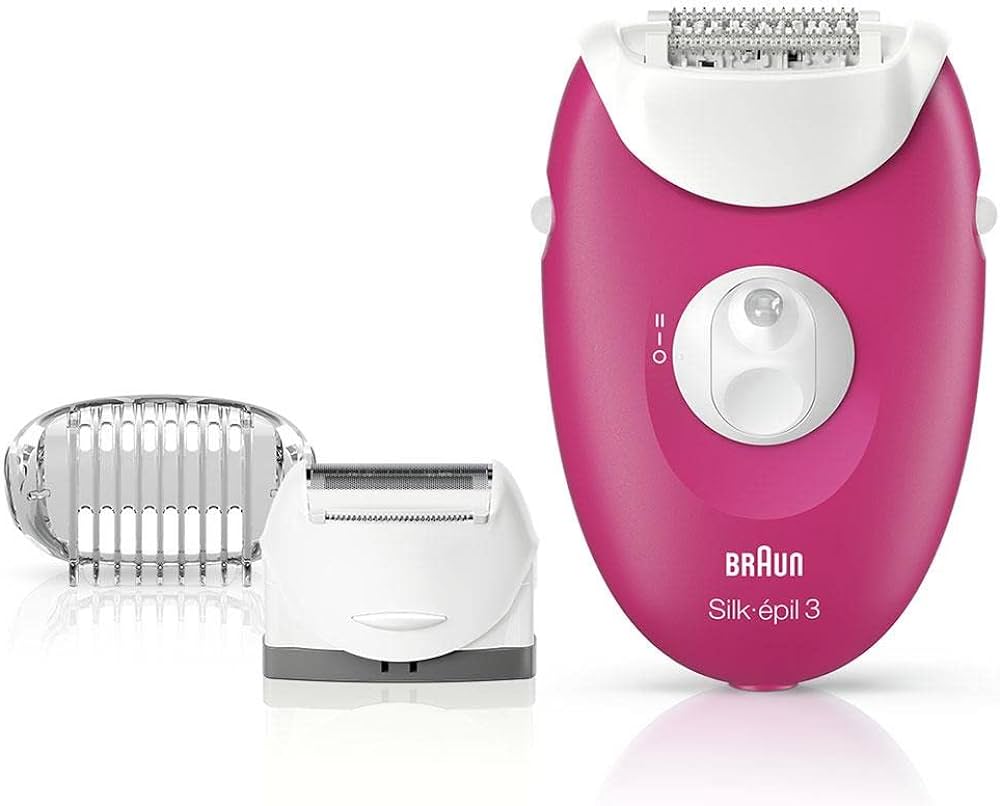
Hormonal changes can influence the rate of hair regrowth, necessitating adjustments to the frequency of epilation sessions. Individuals experiencing faster hair regrowth may need to increase the frequency of their epilation sessions to maintain desired results. Conversely, those with slower regrowth may be able to space out their sessions accordingly.
 

8.2. Targeting Problematic Areas

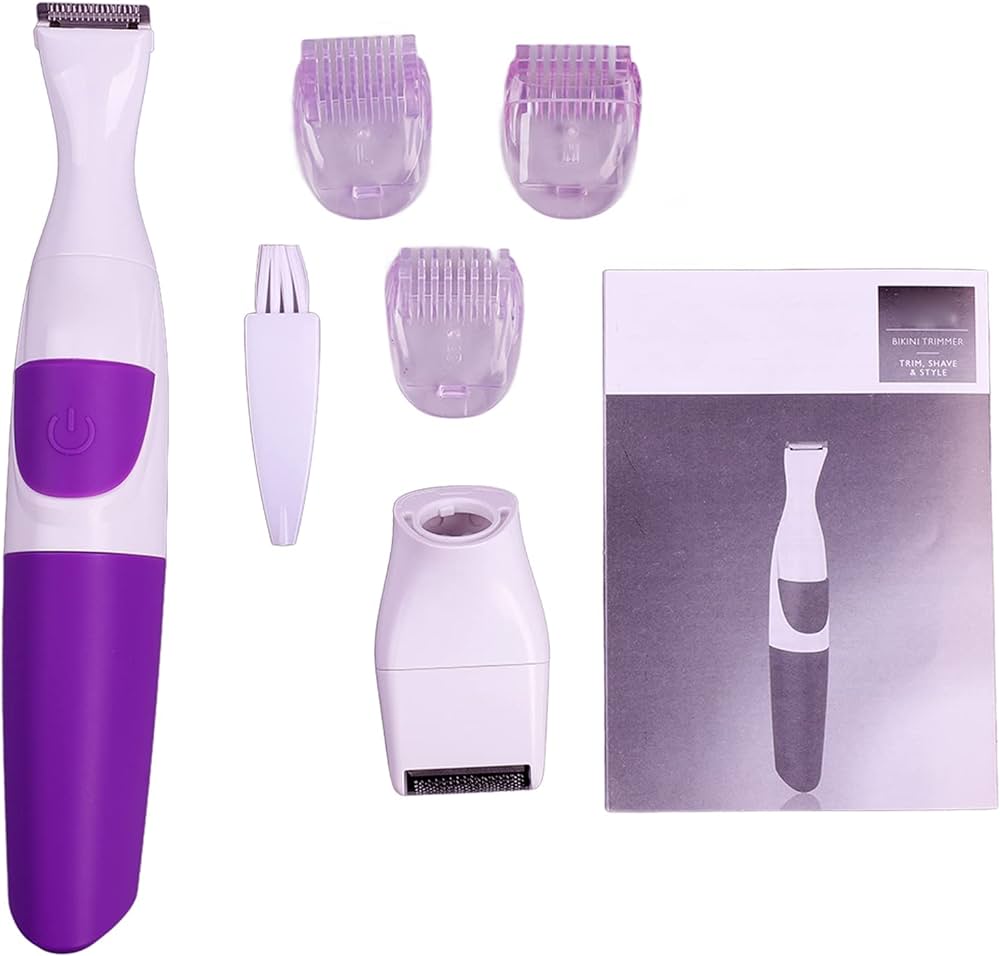
Hormonal changes can lead to areas of increased hair growth or stubborn hair. Paying special attention to these areas during epilation can help manage regrowth more effectively. Consider spending additional time on these areas or employing more precise epilation techniques to ensure thorough removal.
 

8.3. Using Different Epilation Methods

While the primary focus of this guide is on epilators, it is worth noting that different hair removal methods may be more effective for specific hormonal changes. For example, individuals experiencing facial hair growth due to hormonal fluctuations may find that targeted methods like threading or tweezing provide better results than using an epilator.

Epilator

Conclusion

Hormonal changes can potentially influence the durability of epilator hair removal. Fluctuations or imbalances in hormone levels can disrupt the natural hair growth cycle, impacting hair regrowth patterns and thickness. While managing hormonal changes through lifestyle modifications, medication, or supplements can help optimize hair growth, genetic factors and individual hair growth patterns also play a significant role. Combining epilation with other hair management techniques and seeking professional advice can provide further support in maximizing the effectiveness of epilator hair removal. By understanding the relationship between hormonal changes and epilation, individuals can develop personalized strategies to achieve longer-lasting hair removal results.