Home Appliance Personal Care
What are the side effects of prolonged heating pad use?

Introduction


Heating pads are commonly used for pain relief and relaxation. While they can provide temporary comfort, using them for an extended period of time can have potential side effects on your health and well-being. It is important to be aware of the risks associated with prolonged heating pad usage to ensure safe and responsible use. In this guide, we will explore the potential side effects of extended heating pad usage, including skin damage, burns, dehydration, circulatory issues, and increased sensitivity to heat.
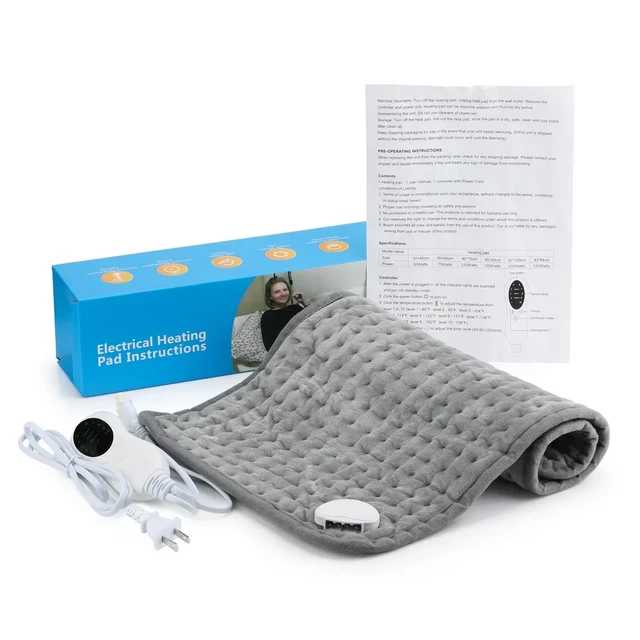
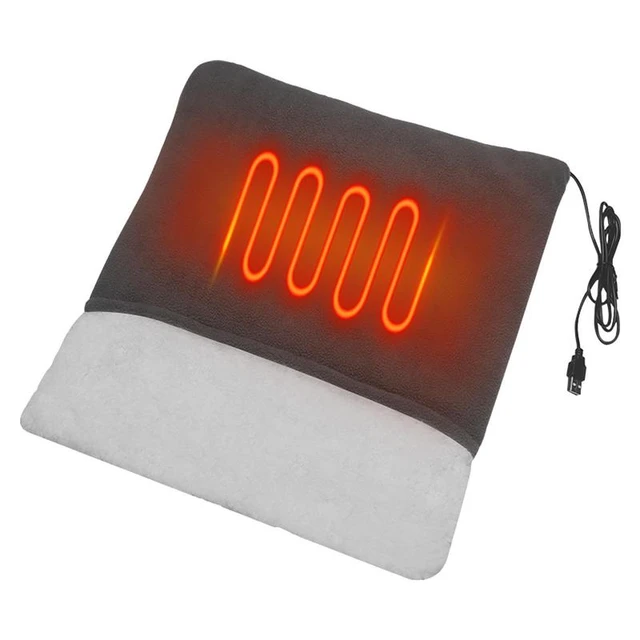
heating pad

What are the side effects of prolonged heating pad use?

Skin Damage

1.1. Dryness and Irritation

Using a heating pad for an extended period of time can lead to dryness and irritation of the skin. The heat from the pad can deplete the skin’s natural moisture, resulting in dry, flaky skin that may become itchy and prone to irritation.


1.2. Increased Sensitivity

Prolonged exposure to heat from a heating pad can increase skin sensitivity. The skin may become more reactive, leading to discomfort, redness, and irritation even with minimal heat exposure.


1.3. Exacerbation of Skin Conditions

Individuals with pre-existing skin conditions, such as eczema or psoriasis, may find that extended heating pad usage worsens their symptoms. The heat can trigger and exacerbate inflammation, leading to flare-ups of these skin conditions.


Burns

2.1. Increased Risk of Burns

Using a heating pad for an extended period of time increases the risk of burns. Prolonged exposure to high heat levels can cause skin damage, ranging from mild burns to more severe injuries.


2.2. Blisters and Tissue Damage

If the heating pad is used for too long or at excessively high temperatures, it can result in the formation of blisters on the skin’s surface. Severe burns can cause tissue damage, leading to pain, scarring, and the potential for long-term complications.
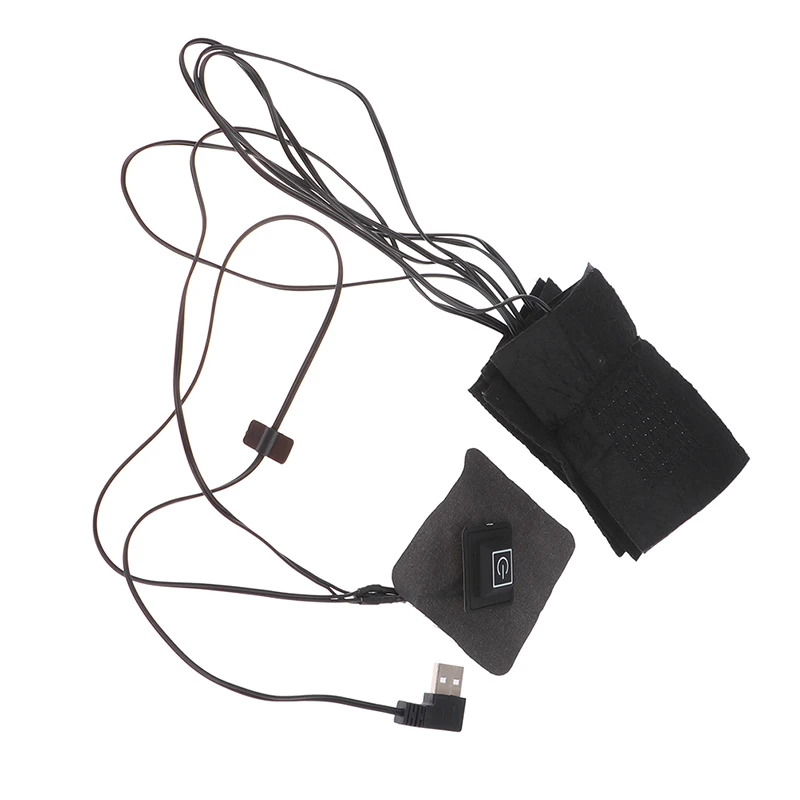
heating pad

Dehydration and Circulatory Issues

3.1. Fluid Loss

Extended heating pad usage can lead to increased fluid loss through sweating. This can result in dehydration, which can cause symptoms such as dizziness, fatigue, dry mouth, and decreased urine output.


3.2. Circulatory Problems

Prolonged heat exposure from a heating pad can affect blood circulation in the area of application. The heat can cause blood vessels to dilate, potentially leading to poor circulation and discomfort.


Increased Sensitivity to Heat

4.1. Heightened Sensitivity

Using a heating pad for an extended period of time can lead to increased sensitivity to heat in general. This means that even normal environmental temperatures may cause discomfort and pain.


4.2. Difficulty Regulating Body Temperature

Extended heating pad usage can disrupt the body’s natural mechanisms for regulating body temperature. This may make it harder for the body to cool down efficiently and maintain a stable core temperature.
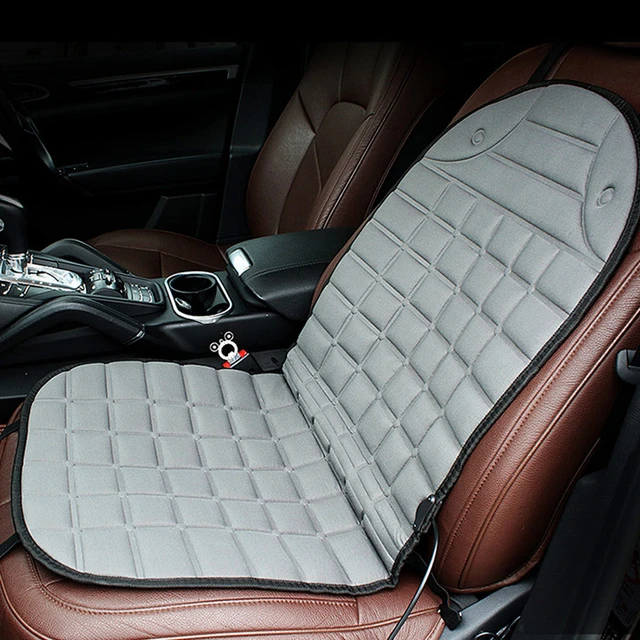
heating pad

Muscle Weakness and Atrophy

5.1. Muscle Fatigue

Using a heating pad for an extended period of time can cause muscle fatigue. Prolonged heat exposure can affect muscle fibers and reduce their ability to contract effectively, leading to weakness and decreased muscle performance.


5.2. Muscle Atrophy

Extended heating pad usage without engaging in regular physical activity can contribute to muscle atrophy. Lack of movement and excessive reliance on heat for pain relief can result in muscle wasting and further weakness.


Sleep Disruptions

6.1. Disrupted Sleep Patterns

Using a heating pad for an extended period of time, especially before bedtime, can disrupt sleep patterns. The heat from the pad can interfere with the body’s natural temperature regulation, making it challenging to achieve restful sleep.


6.2. Increased Restlessness

Extended heating pad usage may lead to increased restlessness during sleep. The discomfort caused by prolonged heat exposure can result in tossing and turning, contributing to poor sleep quality.


Dependency on Heat

7.1. Reliance on Heat for Pain Relief

Excessive reliance on a heating pad for pain relief without addressing the underlying cause of the discomfort can lead to a dependency on heat. This can hinder the development of other effective pain management strategies and delay proper treatment.
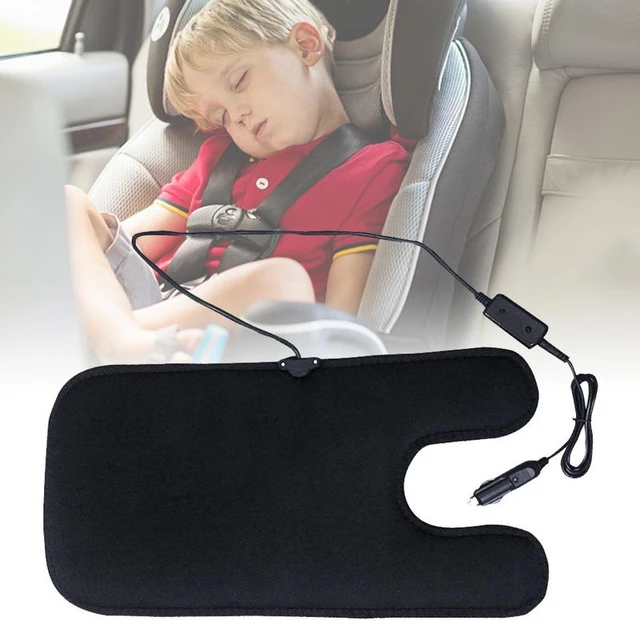
heating pad

Precautions for Responsible Usage

8.1. Adhere to Recommended Time Limits

Follow the manufacturer’s recommended time limits for heating pad usage. Typically, 10-15 minutes at a time with breaks in between is considered safe. Prolonged or continuous usage should be avoided.


8.2. Moderate the Temperature

Set the heating pad to a comfortable and safe temperature. Avoid using high heat settings for an extended period of time, as this increases the risk of burns and skin damage.


8.3. Use as Adjunct to Proper Treatment

A heating pad should be used as an adjunct to proper treatment and pain management strategies, not as the sole method of relief. It is important to address the underlying cause of the discomfort and explore other treatment options.


8.4. Engage in Regular Physical Activity

Incorporate regular exercise and movement into your routine, as it helps maintain muscle strength and flexibility. Physical activity can also promote blood circulation and overall well-being.


Seeking Medical Advice

10.1. Consult a Healthcare Professional

If you have been using a heating pad for an extended period of time and are experiencing any adverse effects or concerns, it is important to consult a healthcare professional. They can assess your situation, provide personalized advice, and recommend appropriate treatment options.


10.2. Physical Therapy or Alternative Therapies

A healthcare professional may suggest alternative therapies or interventions to address your pain or discomfort. Physical therapy, acupuncture, massage, or other modalities could be beneficial in managing your condition without relying solely on a heating pad.


Developing Healthy Pain Management Strategies

11.1. Identify the Underlying Cause

To minimize the need for extended heating pad usage, it is crucial to identify and address the underlying cause of your pain or discomfort. Working with a healthcare professional can help determine the best approach for managing your condition.


11.2. Incorporate Exercise and Stretching

Regular exercise and stretching, under the guidance of a healthcare professional, can help strengthen muscles, improve flexibility, and alleviate pain. Engaging in a well-rounded exercise program can provide long-term benefits and reduce the reliance on heating pads.


11.3. Mind-Body Techniques

Practicing relaxation techniques, such as deep breathing, meditation, or yoga, can help manage pain and promote overall well-being. These techniques can be effective in reducing the need for extended heating pad usage and providing alternative methods of pain relief.
heating pad

Conclusion

Extended usage of a heating pad can have potential side effects on your health and well-being. Skin damage, burns, dehydration, circulatory issues, increased sensitivity to heat, muscle weakness, sleep disruptions, and dependency on heat are among the risks associated with prolonged heating pad usage. Responsible usage, adhering to recommended time limits and appropriate temperature settings, and addressing the underlying cause of discomfort are essential in maintaining safe and effective heating pad use. By understanding the potential side effects and taking necessary precautions, you can use a heating pad responsibly and minimize the risks to your body.
Home Appliance Personal Care
How can heating pad burns be treated at home?

Introduction


If you have experienced a heating pad burn, prompt and appropriate treatment is essential for proper healing and to minimize the risk of infection. While severe burns may require medical attention, mild to moderate heating pad burns can often be treated at home. This guide will provide specific insights into treating heating pad burns at home, including immediate first aid, wound care, pain management, and when to seek medical assistance.

heating pad

How can heating pad burns be treated at home?

Immediate First Aid

1.1. Cool the Burn

The first step in treating a heating pad burn is to cool the affected area. Rinse the burned skin gently under cool (not cold) running water for several minutes. Alternatively, apply a cool, damp cloth to help soothe the burn and reduce pain.


1.2. Remove Constricting Items

If the burn is on an area of the body with constricting items such as jewelry or tight clothing, remove them immediately to prevent further irritation or constriction.


1.3. Avoid Home Remedies

Avoid applying home remedies such as butter, toothpaste, or oil to the burn. These substances can trap heat, worsen the burn, and increase the risk of infection.


Wound Care

2.1. Cleanse the Burn

After cooling the burn, cleanse the area gently with mild soap and water. Be careful not to scrub the burn, as this can further damage the skin.


2.2. Apply an Antibiotic Ointment

To prevent infection, apply a thin layer of over-the-counter antibiotic ointment, such as Bacitracin or Neosporin, to the burn. This can help protect the wound and promote healing.


2.3. Cover the Burn

Cover the burn with a sterile, non-stick dressing or a clean, dry cloth. Avoid using adhesive bandages directly on the burn, as they may stick to the wound and cause further damage when removed.


2.4. Change Dressings Regularly

Change the dressing daily or as needed, ensuring the burn remains clean and protected. If the dressing becomes wet or soiled, replace it immediately.

heating pad

Pain Management

3.1. Over-the-Counter Pain Relievers

To manage pain associated with the burn, consider using over-the-counter pain relievers such as acetaminophen or ibuprofen. Follow the recommended dosage instructions and consult a healthcare professional if you have any concerns.


3.2. Topical Pain Relief

You may find relief from mild pain by applying over-the-counter topical pain relief creams or gels that contain ingredients such as menthol or lidocaine. Follow the product instructions for proper application.


3.3. Cool Compresses

Applying cool compresses, such as a clean cloth soaked in cool water, to the burn can provide temporary pain relief and reduce inflammation. Ensure the compress is not too cold to avoid further discomfort.


Monitoring and Self-Care

4.1. Observe for Signs of Infection

Monitor the burn for signs of infection, such as increased redness, swelling, warmth, or the presence of pus. If you suspect an infection, seek medical attention promptly.


4.2. Keep the Burn Clean and Dry

To promote healing and prevent infection, keep the burn clean and dry. Avoid exposing the burn to excessive moisture or soaking it in water, as this can delay healing and increase the risk of infection.


4.3. Avoid Picking or Popping Blisters

If blisters form as a result of the burn, refrain from picking or popping them. Blisters serve as a protective barrier that prevents infection. Allow them to heal naturally, and cover them with a sterile dressing.


4.4. Protect the Burn from Sun Exposure

Once the burn begins to heal, protect the affected area from direct sunlight to prevent further damage. Use sunscreen or cover the area with clothing when going outside.

heating pad

When to Seek Medical Assistance

5.1. Severe or Deep Burns

If the burn is severe, covers a large area, or is deep (reaching multiple layers of skin), seek immediate medical attention. These burns may require specialized care, such as advanced wound management or possible skin grafting.


5.2. Signs of Infection

If the burn shows signs of infection, such as increasing pain, redness, swelling, or the presence of pus, consult a healthcare professional. Prompt medical attention is necessary to prevent the spread of infection.


5.3. Persistent Pain or Worsening Symptoms

If the pain persists or worsens despite home care, or if you notice any concerning changes in the burn, it is advisable to seek medical advice. A healthcare professional can assess the burn and provide appropriate guidance.


Prevention Tips

6.1. Temperature Control

To prevent heating pad burns, always set the temperature to a comfortable and safe level. Avoid using high heat settings that can increase the risk of burns.


6.2. Time Limit

Adhere to the recommended time limits for heating pad use to prevent prolonged exposure to heat and reduce the risk of burns.


6.3. Insulation and Barrier

Always place a thin cloth or towel between the heating pad and your skin to provide insulation and protect against direct contact and burns.


6.4. Regular Inspection

Inspect your heating pad regularly for any signs of damage or wear, such as frayed wires or exposed heating elements. Replace the heating pad if any issues are detected.


6.5. Quality Product

Invest in a quality heating pad from a reputable manufacturer to ensure safety and reliability. Avoid purchasing cheap or counterfeit products that may not meet safety standards.


6.6. Supervision

Never leave a heating pad unattended, especially in the presence of children or pets. It is crucial to supervise the use of heating pads at all times.

heating pad

Seeking Professional Advice

7.1. Severe Burns

If you experience a severe burn that covers a large area or shows signs of deep tissue damage, seek immediate medical attention. Severe burns may require specialized care and treatment.


7.2. Signs of Infection

If you notice signs of infection, such as increased redness, swelling, warmth, or the presence of pus, consult a healthcare professional. Prompt medical attention is necessary to prevent complications.


7.3. Persistent Pain or Concerns

If you have persistent pain, worsening symptoms, or concerns about the burn, it is advisable to seek medical advice. A healthcare professional can assess the severity of the burn and provide appropriate treatment.

heating pad

Conclusion


Treating heating pad burns at home involves immediate first aid, proper wound care, pain management, and self-monitoring. Cooling the burn, cleansing the area, and applying antibiotic ointment are crucial steps in the initial treatment. Dressing the burn with sterile dressings and changing them regularly helps protect the wound. Over-the-counter pain relievers, topical pain relief, and cool compresses can aid in pain management. Close observation of the burn for signs of infection and practicing good self-care are essential. Seek medical assistance for severe burns, signs of infection, or if symptoms worsen or persist. By following these home treatment measures and seeking medical advice when necessary, heating pad burns can be effectively managed and healed.

Home Appliance Personal Care
What are the common causes of heating pad burns?

Introduction


Heating pads are commonly used for pain relief and relaxation, but they can pose a risk of burns if not used correctly. Burns from heating pads can range from mild to severe and may lead to pain, blistering, and long-term skin damage. It is important to understand the common causes of heating pad burns to prevent accidents and ensure safe usage. In this guide, we will explore the various factors that contribute to heating pad burns, including temperature control, prolonged exposure, inadequate insulation, and faulty equipment.

heating pad

What are the common causes of heating pad burns?

Improper Temperature Control

1.1. High Heat Settings

One of the primary causes of heating pad burns is setting the temperature too high. Using a high heat setting exposes the skin to excessive heat, increasing the risk of burns and skin damage.


1.2. Failure to Adjust Temperature

Neglecting to adjust the heating pad to a suitable temperature based on personal comfort and sensitivity can lead to burns. Each individual has a different tolerance for heat, and it is important to find a comfortable and safe temperature for use.


1.3. Malfunctioning Controls

Heating pads with malfunctioning temperature controls can cause overheating and burns. Faulty equipment may fail to regulate the heat output properly, resulting in an increased risk of burns.


Prolonged Exposure to Heat

2.1. Exceeding Recommended Time Limits

Using a heating pad for longer than the recommended time can lead to burns. The manufacturer’s instructions typically provide guidelines on the maximum duration of use to prevent overheating and skin damage.


2.2. Failure to Take Breaks

Not taking breaks between heating pad sessions can increase the risk of burns. Frequent, short breaks allow the skin to cool down and prevent the accumulation of excessive heat.


2.3. Unattended Use

Leaving a heating pad unattended can result in prolonged exposure to heat and potentially cause burns. It is important to always stay present and monitor the heating pad during use.

heating pad

Inadequate Insulation

3.1. Absence of Protective Layer

Direct contact between the heating pad and the skin can intensify the heat and lead to burns. It is crucial to place a thin cloth or towel between the heating pad and the skin to provide insulation and reduce the risk of burns.


3.2. Insufficient Barrier

Using a heating pad without a sufficient barrier can lead to burns even if the temperature is set correctly. The skin may become overly sensitive to the heat without proper insulation, increasing the likelihood of burns.


Faulty Equipment and Maintenance

4.1. Frayed Wires or Damaged Heating Elements

Heating pads with frayed wires or damaged heating elements pose a significant risk of burns. Exposure to faulty wiring or heating elements can cause overheating and increase the chances of burns, electric shocks, or fires.


4.2. Lack of Regular Inspection

Failure to inspect the heating pad regularly can lead to unnoticed damage or faulty parts. Regular inspections can help identify potential issues and ensure the heating pad is in proper working condition.


4.3. Poor Quality or Counterfeit Products

Using heating pads of poor quality or counterfeit products can increase the risk of burns. These products may not meet safety standards or have adequate insulation, making them more prone to overheating.


User Error and Negligence

5.1. Incorrect Usage

Using a heating pad inappropriately, such as folding or bunching it up, can cause uneven heat distribution and increase the risk of burns. It is important to follow the manufacturer’s instructions and guidelines for proper usage.


5.2. Falling Asleep with a Heating Pad On

Falling asleep while using a heating pad can lead to prolonged exposure to heat and potentially cause burns. It is essential to stay awake and attentive during heating pad usage.


5.3. Lack of Supervision

Leaving a heating pad unattended, especially in the presence of children or pets, can result in accidents and burns. It is crucial to supervise the use of heating pads at all times.

heating pad

Precautions to Prevent Burns

6.1. Temperature Control

Set the heating pad to a comfortable and safe temperature, avoiding high heat settings that can increase the risk of burns.


6.2. Time Limit

Adhere to the recommended time limits for heating pad use to prevent prolonged exposure to heat and reduce the risk of burns.


6.3. Insulation and Barrier

Always place a thin cloth or towel between the heating pad and the skin to provide insulation and protect against direct contact and burns.


6.4. Regular Inspections

Inspect the heating pad regularly for any signs of damage or wear, such as frayed wires or exposed heating elements. Replace the heating pad if any issues are detected.


6.5. Manufacturer’s Instructions

Follow the manufacturer’s instructions and guidelines for proper usage, including temperature settings, time limits, and any specific recommendations for insulation or positioning.

heating pad

Importance of Education and Awareness

7.1. Reading User Manuals

It is essential to read and understand the user manual provided by the manufacturer. User manuals often contain important safety information, usage guidelines, and precautions specific to the heating pad model.


7.2. Educating Yourself and Others

Educate yourself and others in your household about the potential risks and safe usage practices of heating pads. By raising awareness, you can prevent accidents and promote responsible use.


Safe Usage Tips

8.1. Start with Low Heat Settings

Begin with the lowest heat setting and gradually increase it to a comfortable level. This allows you to assess your tolerance and prevent the risk of burns from starting with high temperatures.


8.2. Avoid Direct Skin Contact

Always use a layer of cloth or towel between the heating pad and your skin. This provides insulation and reduces the intensity of heat, minimizing the risk of burns or discomfort.


8.3. Regularly Check Skin Sensation

Frequently check your skin for any signs of discomfort, redness, or irritation during and after using a heating pad. If you experience any adverse reactions, discontinue use and consult a healthcare professional if necessary.


8.4. Use in a Safe Environment

Ensure you are using the heating pad in a safe environment, away from flammable materials or water sources. Be cautious of cords and ensure they are not in a position where they can be tripped over or cause accidents.


8.5. Store Properly

After use, store the heating pad in a safe and dry place. Avoid folding or crumpling it, as this can damage the internal components and increase the risk of malfunctions or burns.

heating pad

Conclusion


Heating pad burns can occur due to various factors, including improper temperature control, prolonged exposure to heat, inadequate insulation, faulty equipment, user error, and negligence. To prevent burns and ensure safe usage, it is important to control the temperature, follow recommended time limits, use proper insulation, inspect the equipment regularly, and exercise caution during use. Adhering to precautions and guidelines can help reduce the risk of burns and promote safe and effective pain relief through the use of heating pads.