Home Appliance
Heating Pad Uses: What is a Heating Pad Used For?

Overview of Heating Pads

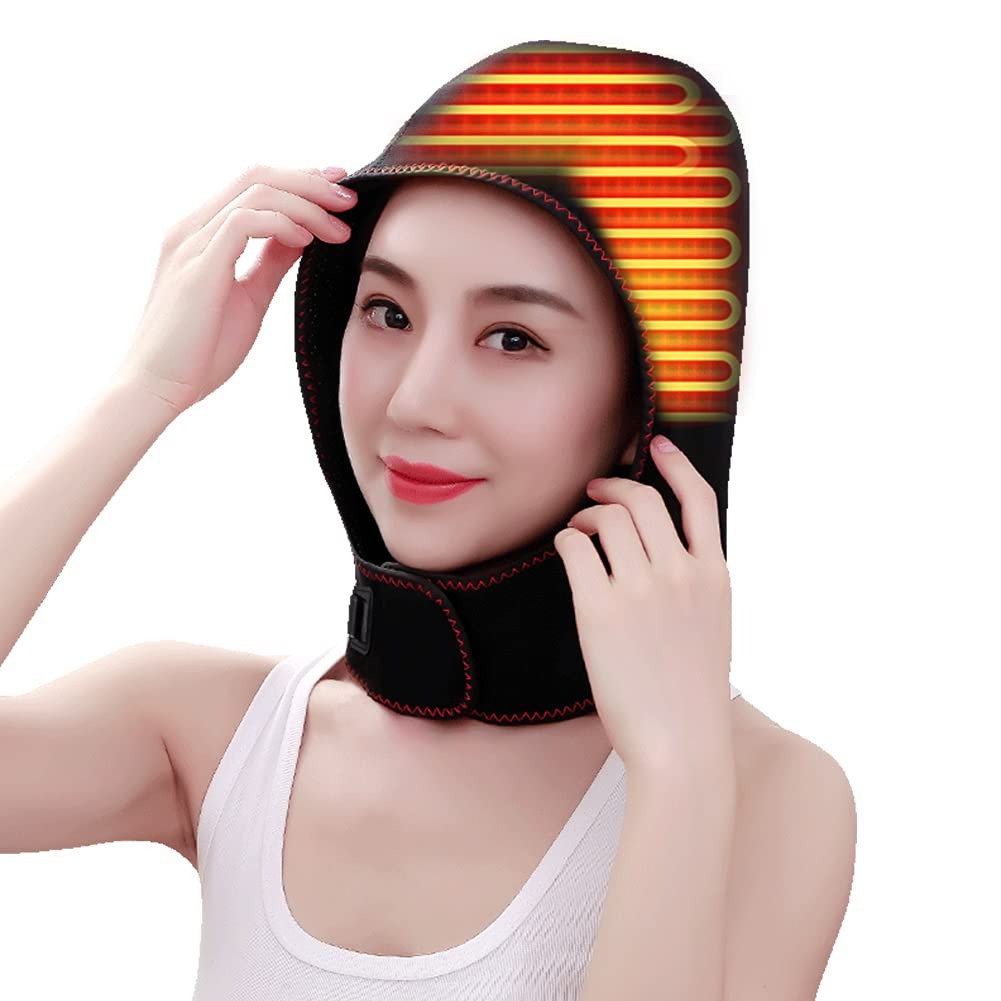
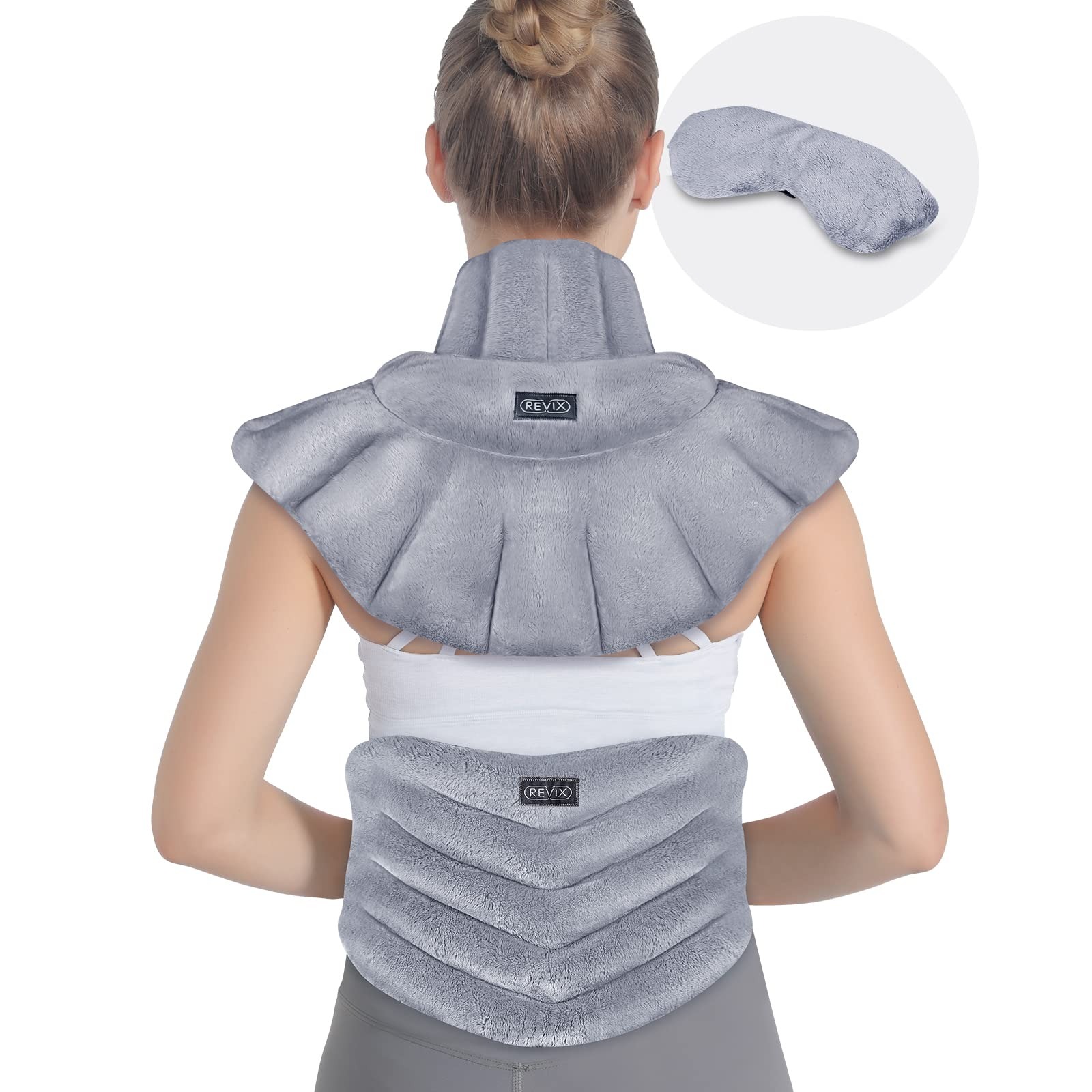
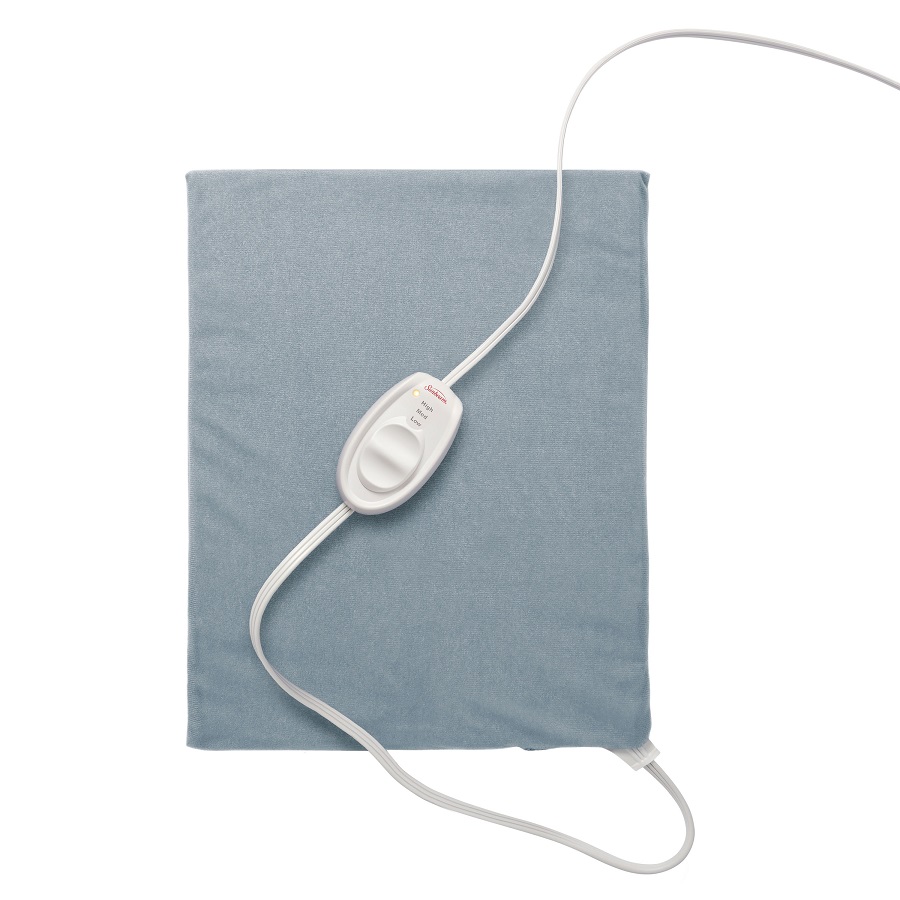
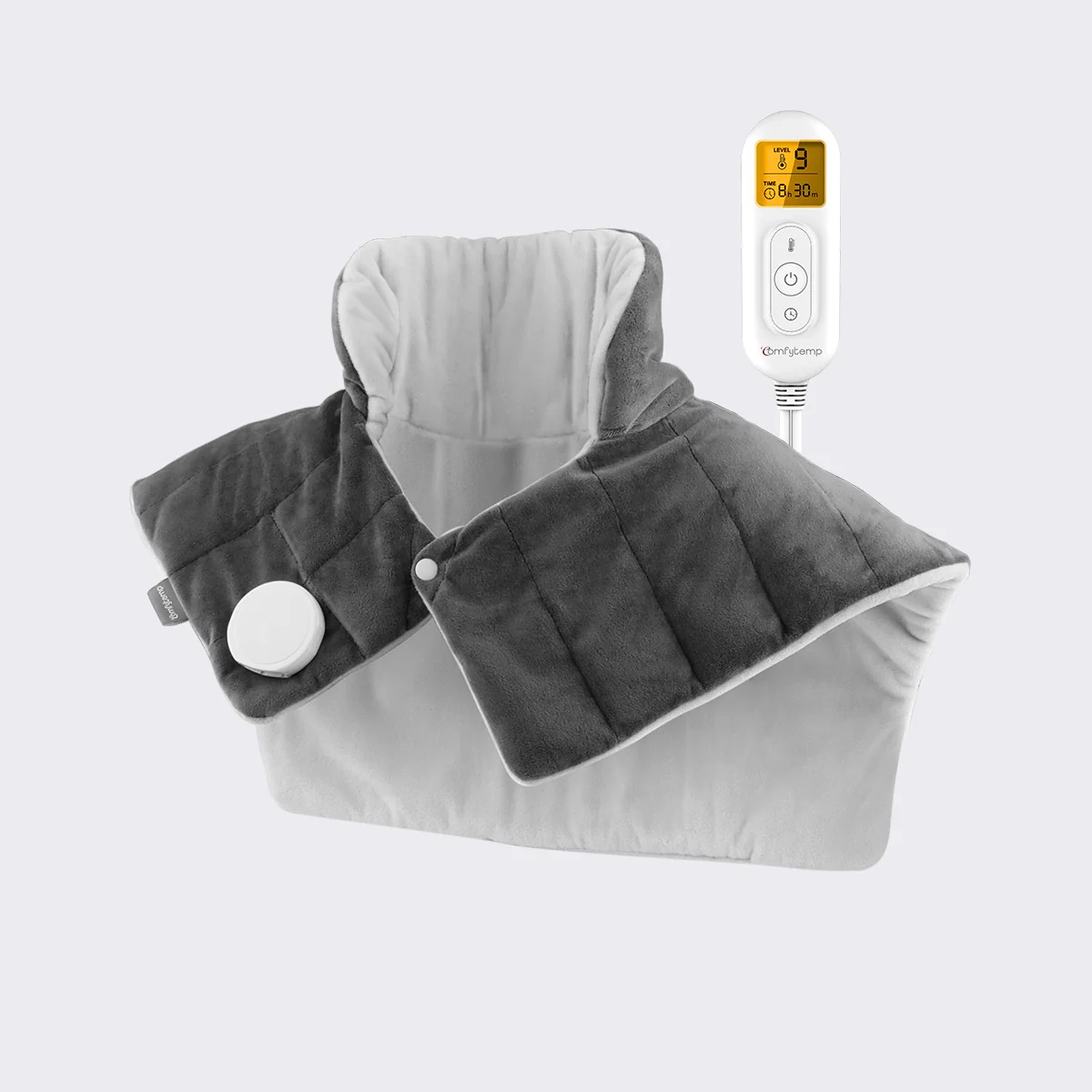
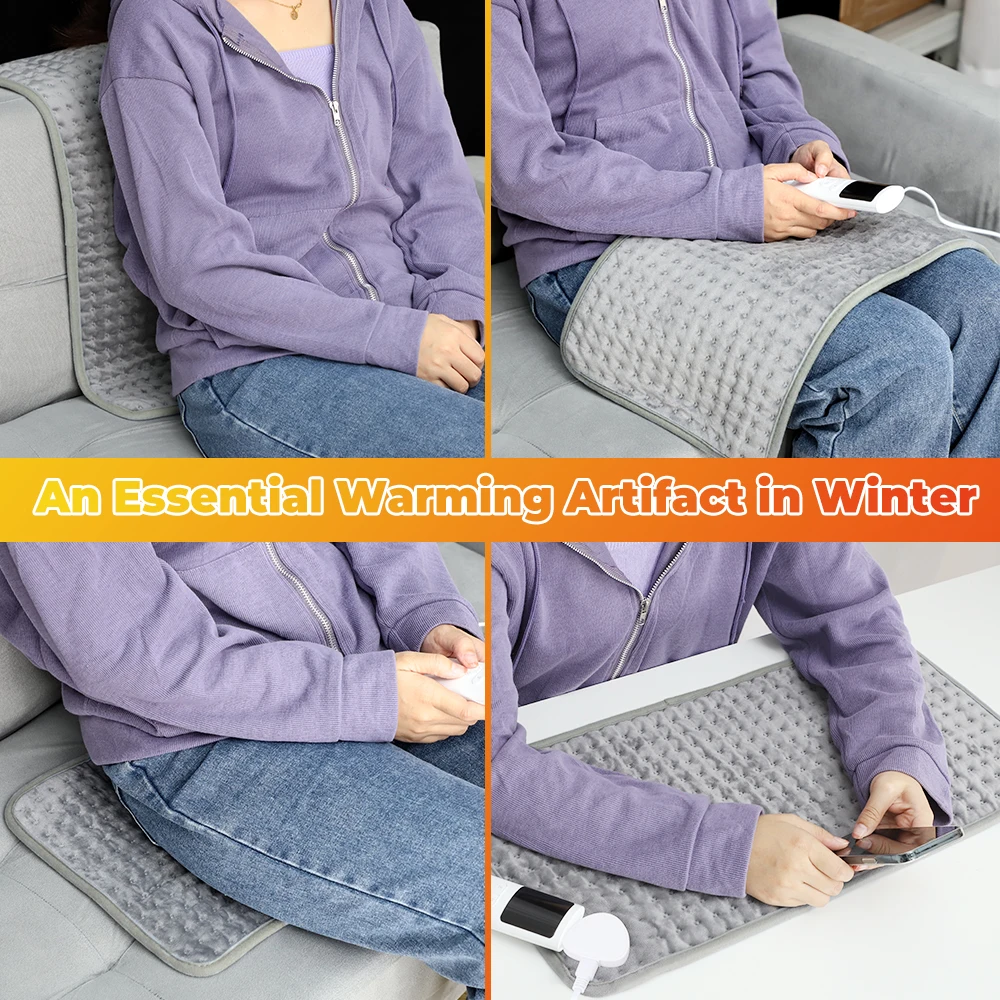
What is a heating pad used for? Heating pads are tools to provide targeted heat to parts of your body. People use them for therapeutic reasons. They give relief from pain, muscle aches, and stiffness. Heating pads come in different forms, with various heat sources. They offer comfort and healing benefits.
heating pad used for

What Are Heat Pads

Heat pads generate warmth for sore or stiff areas. They are often electric or microwavable. Some heat pads use chemical reactions. This heat can soothe muscles, ease pain, and improve movement.

Types of Heat Pads

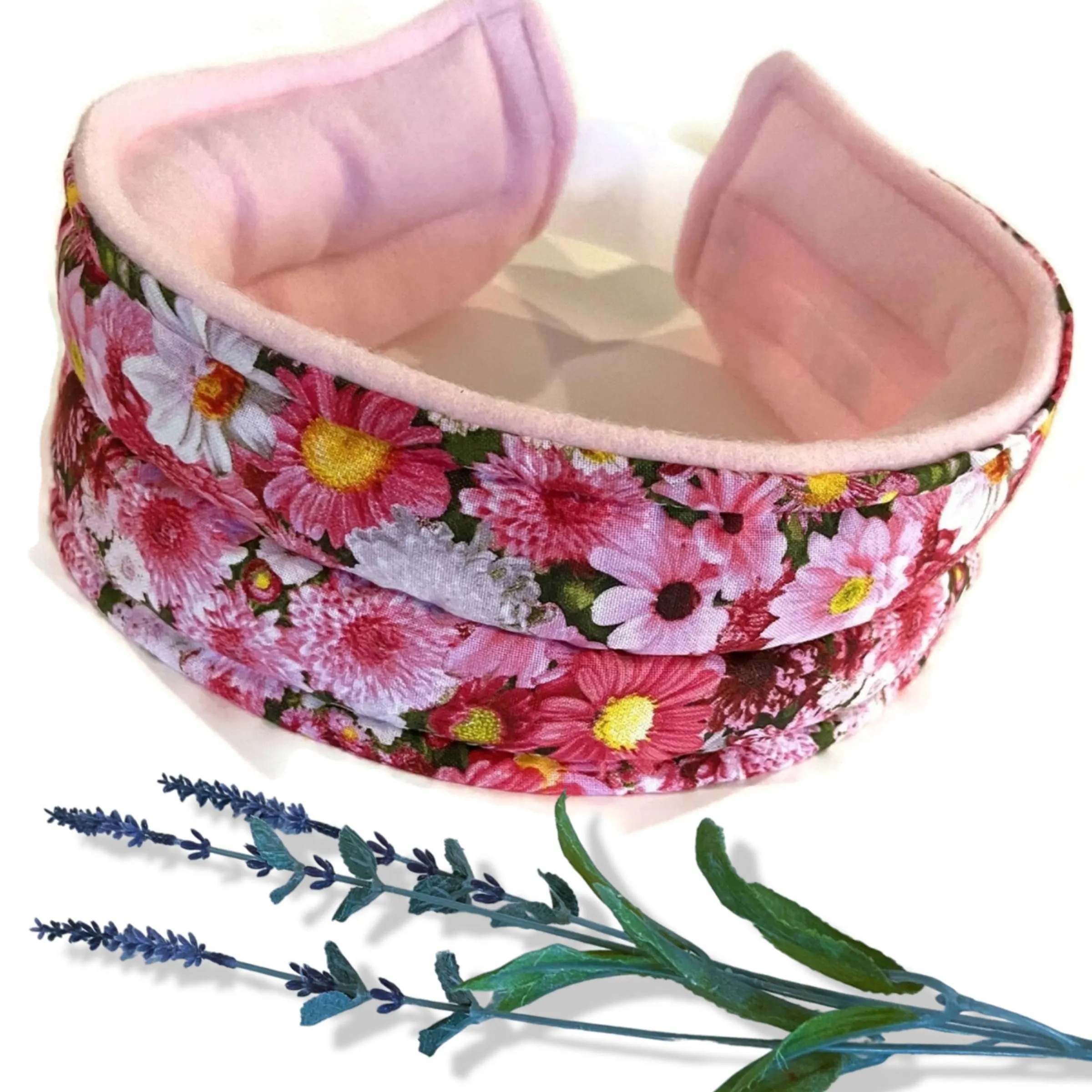
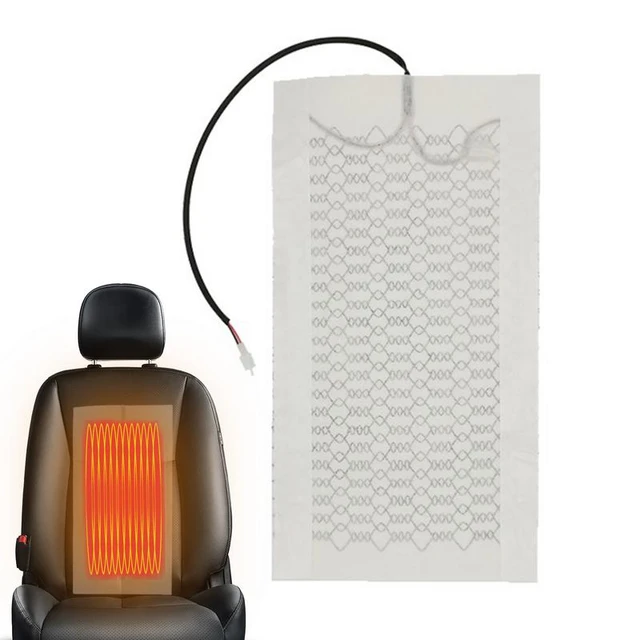
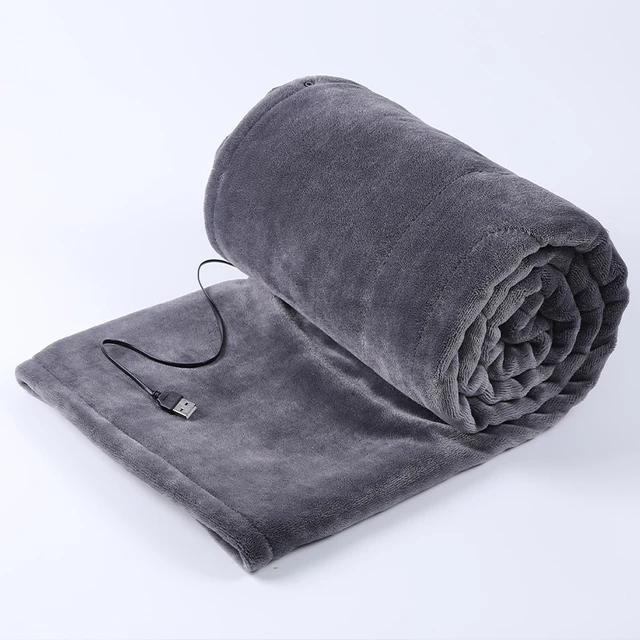
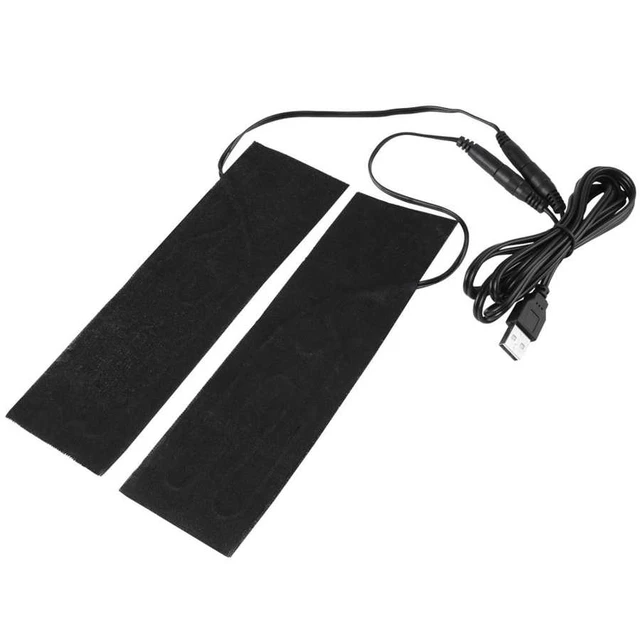
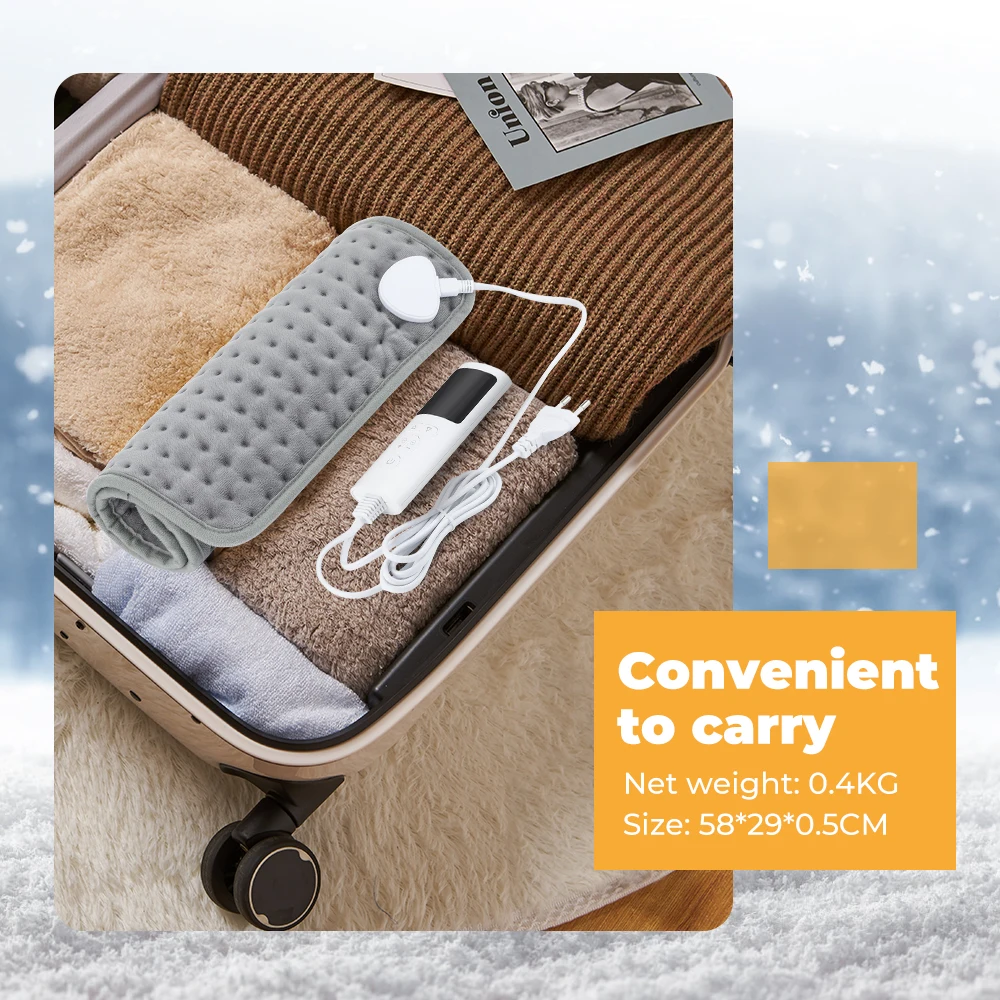
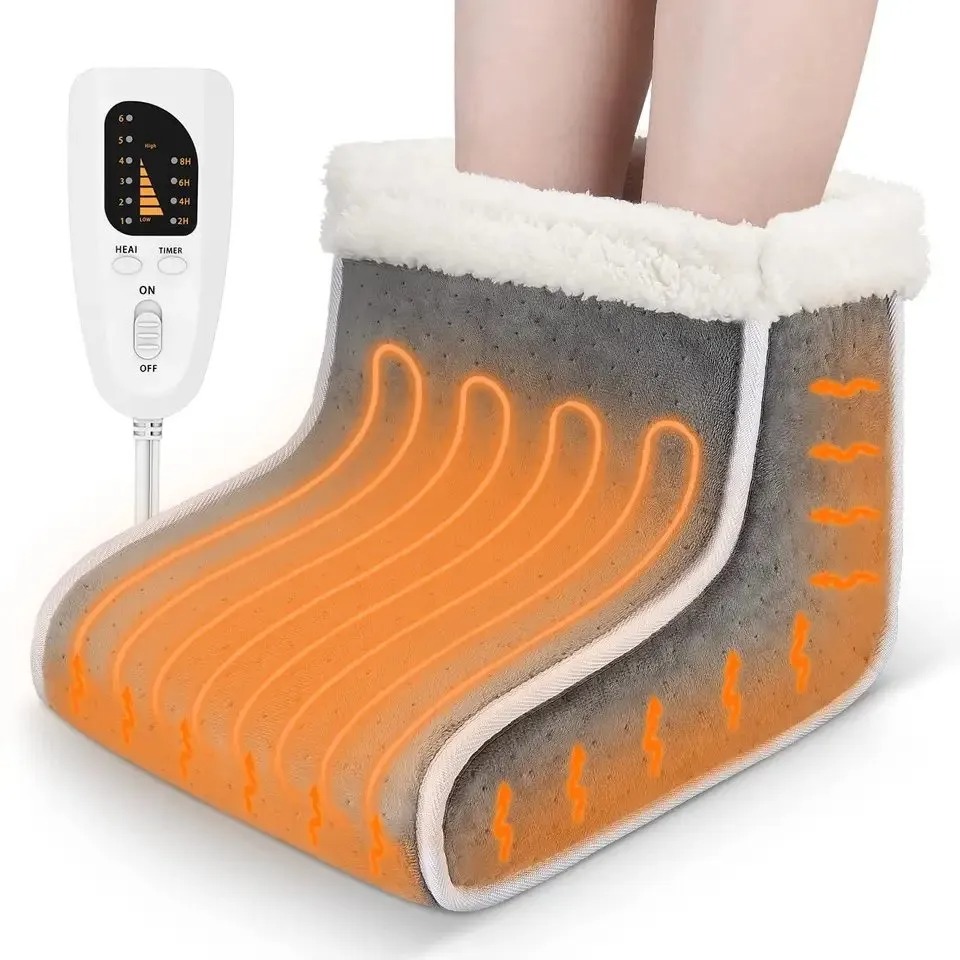
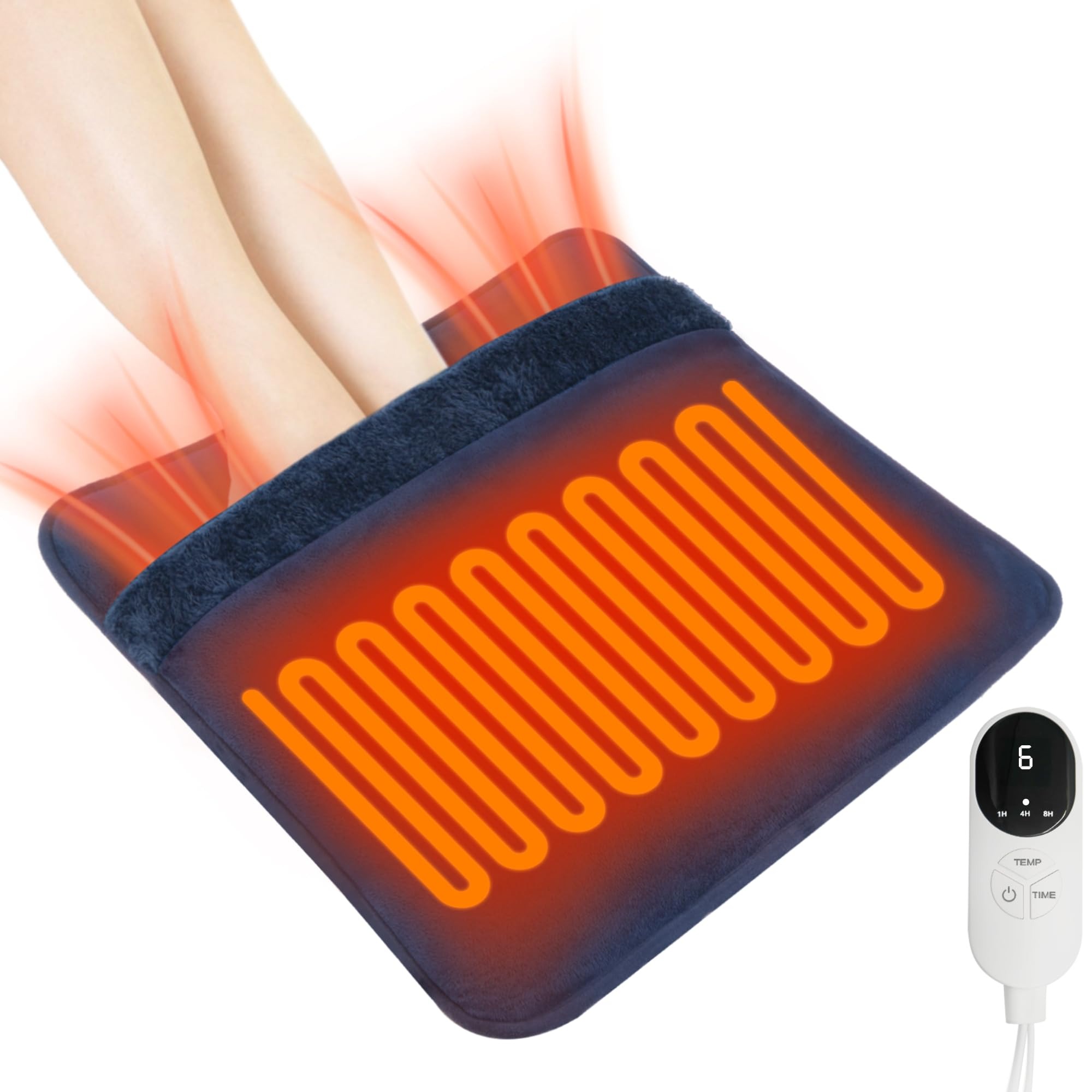
There are several kinds of heat pads. Electric heat pads plug into a wall and have adjustable settings. Microwavable packs heat in a microwave. Gel packs can be heated or chilled. Disposable heat wraps stick to the body and are single-use.

When to Use a Heating Pad

Choosing between a heating pad and cold therapy is crucial for proper healing. Use a heating pad when dealing with ongoing pain or to relax muscles.

Treating Acute Injuries with Cold Therapy

For recent injuries like sprains or swelling, opt for cold therapy. It reduces blood flow, swelling, and pain promptly. Apply cold packs for short periods, multiple times a day.

The Role of Heat Therapy in Chronic Pain Management

Heat therapy is best for ongoing pain, stiff muscles, or chronic conditions. It boosts circulation, relaxes muscles, and aids in recovery. Use it for issues lasting longer than a few days.

Benefits of Heat Therapy for Muscle and Joint Pain

The soothing effect of heat therapy on muscle and joint pain is well-documented. Let’s delve into how heat therapy can be a game-changer in managing discomfort and promoting healing.

Improving Circulation and Reducing Stiffness

Applying heat to a painful area can boost blood flow. This brings more oxygen and nutrients, helping to heal damaged tissues. Improved circulation also helps to reduce muscle stiffness, making it easier to move and stretch.

Managing Menstrual Cramps and Arthritis Symptoms

Heat is a comforting ally against menstrual cramps. It relaxes the uterus muscles, easing discomfort. For arthritis, heat reduces joint stiffness and increases flexibility, helping to manage symptoms and maintain mobility.

Helping Relieve Sciatica and Lower Back Pain

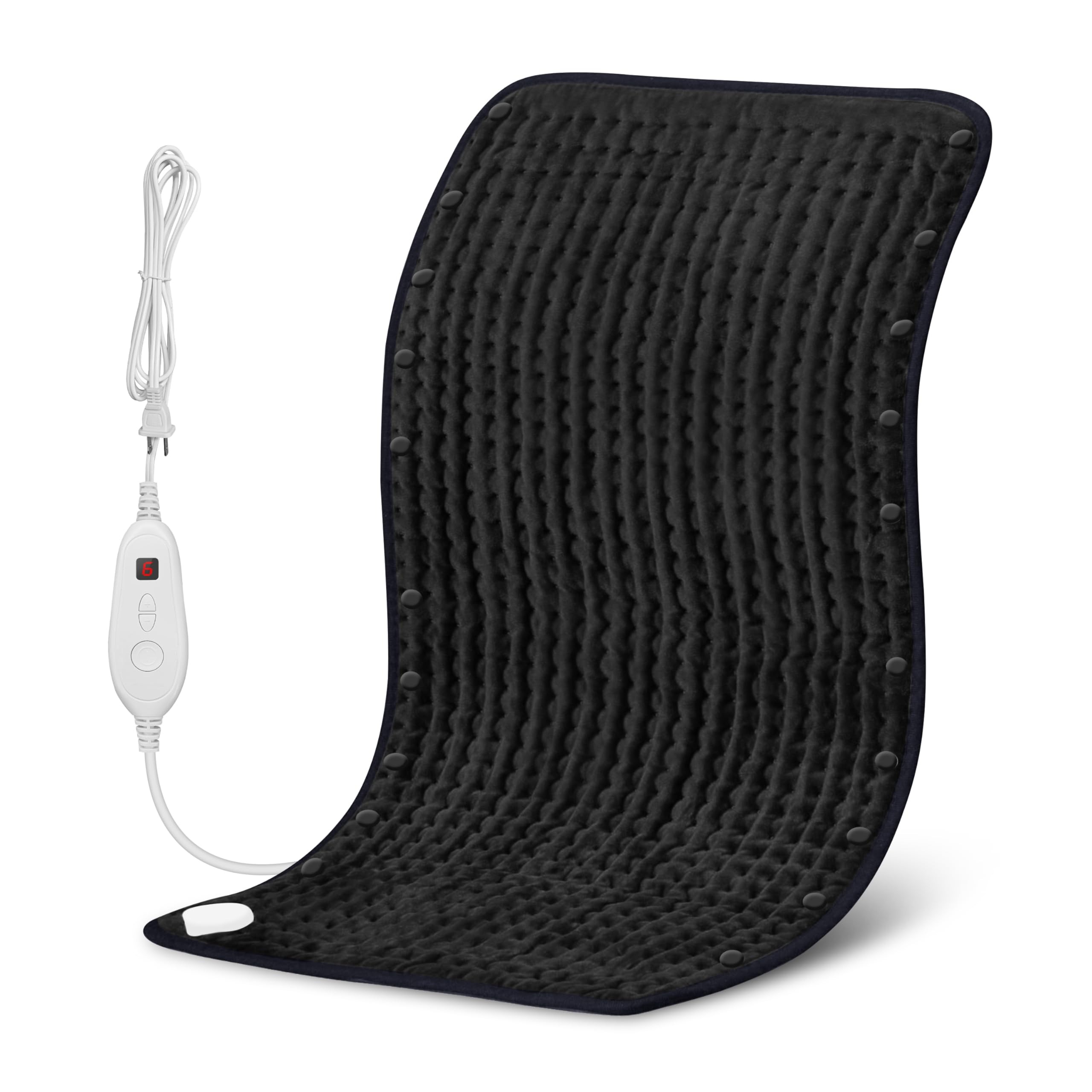
Heat therapy is effective for back pain. For sciatica, applying heat eases nerve pain by increasing blood flow. Heat also relaxes tense back muscles, providing relief and aiding in recovery.
heating pad used for

How to Safely Use Heating Pads

Heating pads offer comfort and aid healing. However, improper use can lead to injury. Always follow instructions for safety.

Electric Heating Pad Safety Tips

Never use an electric heating pad while sleeping. There’s a risk of burns or fire. Always start with the lowest heat setting. Avoid direct skin contact. Place a cloth between your skin and the pad. Never use a pad with a frayed cord or exposed wires. Limit each session to 15-30 minutes.

Microwaveable Heat Packs and Gel Packs

Before heating any pack in the microwave, check for heat limits. Shake the pack after heating to distribute the warmth. Test it on your hand before applying to avoid burns. Don’t overheat as it can damage the pack or cause injuries.

Duration and Frequency of Heat Therapy Sessions

Use heat pads in short sessions, between 15-30 minutes, several times per day. Longer use increases burn risk. For persistent pain, alternate between heat therapy and resting periods. Consult your healthcare provider if pain continues.

Alternatives to Heating Pads

While heating pads are a popular choice for managing pain and stiffness, there are other methods to consider. Sometimes you may not have a heating pad at hand or simply prefer a different type of heat application.

Hot Baths and Showers for Muscle Relaxation

Hot baths and showers are traditional methods for muscle relaxation. The warmth from the water can permeate sore muscles, offering relief similar to a heating pad. Here’s how they can help:

  • Enhanced Blood Circulation: Warm water increases blood flow to muscles, easing stiffness.
  • Whole-Body Relaxation: Submerging in a bath relaxes your entire body, which can reduce overall muscle tension.
  • Convenience: Hot showers are typically easy to access and can provide immediate relief.

To take a hot bath or shower for muscle relaxation, adjust the temperature to a comfortable warmth. Limit your time to about 15-20 minutes to prevent skin irritation.

Making Homemade Heating Pads

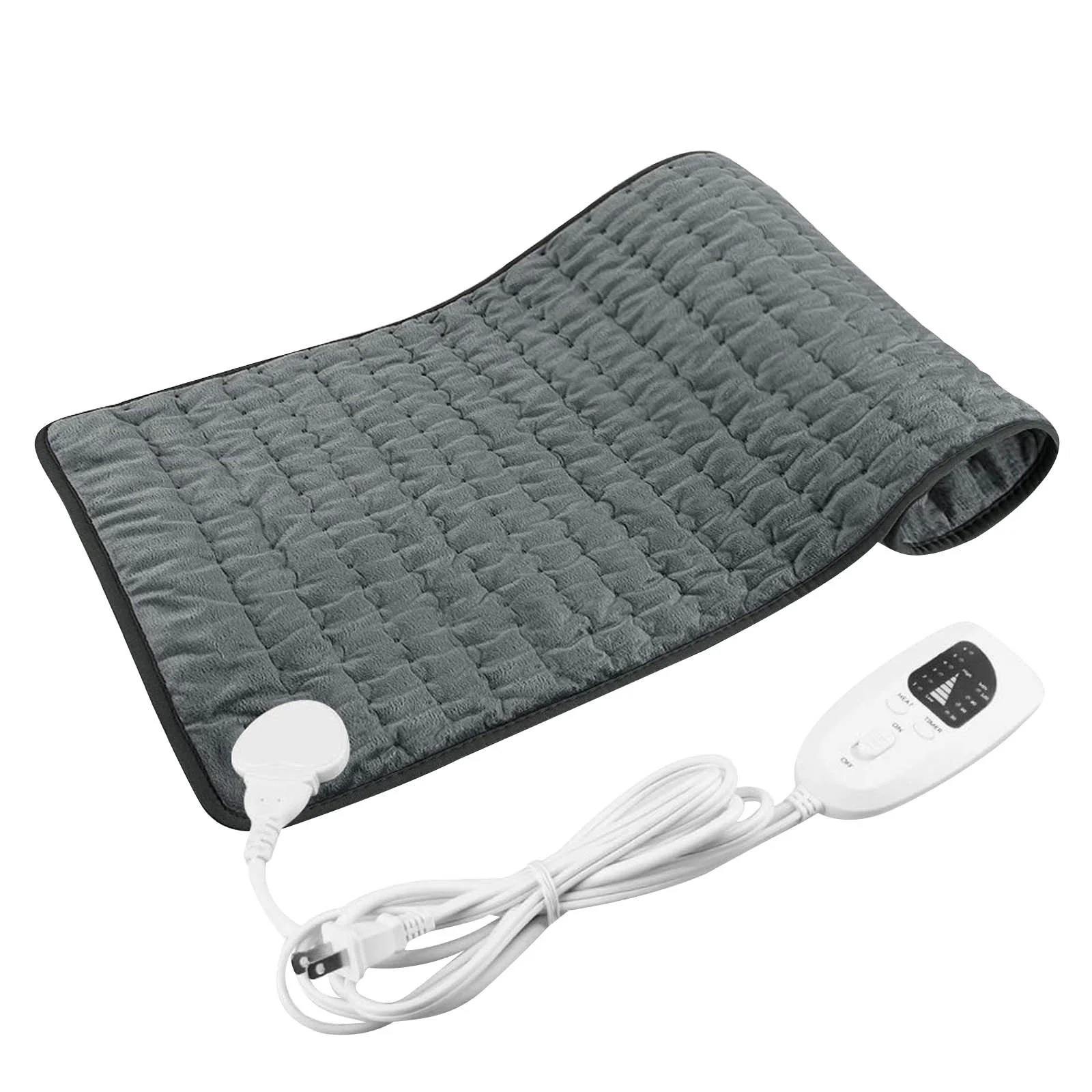
You can create a heating pad at home with simple materials. Homemade pads are cost-effective and customizable. Follow these steps for a DIY solution:

  • Rice Socks: Fill a clean sock with uncooked rice. Tie the end and microwave it for 1-2 minutes.
  • Fabric Bags: Sew a small bag from fabric scraps, fill it with rice or beans, and heat it in the microwave.
  • Hot Water Bottle: Fill a rubber bottle with hot water and wrap it in a towel before applying to sore areas.

When you make a homemade heating pad, test the temperature before applying it to your skin to avoid burns. Additionally, ensure the container is sealed to prevent spillage or burns from hot contents.
heating pad used for

Precautions and Considerations

When considering heat therapy, it’s essential to recognize situations where heating pads shouldn’t be used. Knowing when to avoid heat can prevent additional injury and complications.

When Not to Use Heating Pads

It’s important to opt out of heat therapy in certain conditions:

  • Acute injuries: Fresh injuries with swelling should be treated with cold, not heat.
  • Open wounds: Never apply heat to open or bleeding wounds.
  • Skin conditions: Avoid using heating pads on areas with skin rashes or dermatitis.
  • Deep vein thrombosis: Heat can worsen this condition.
  • Immediately after activity: Cool down first; heat might increase swelling.

Please be aware that heat might not be right for every pain. If unsure, ask a healthcare provider for advice.

Special Considerations for Pregnant Women and Injured Areas

Pregnant women and people with specific injuries need to take special care with heat:

  • Pregnancy: Pregnant individuals should use low heat settings and limit application times.
  • Chronic conditions: Those with conditions like diabetes should monitor heat effects closely.
  • Sensitive areas: Injured areas may be more prone to burns; always protect with a cloth barrier.

How to clean the heating pad

Keeping your heating pad clean is essential for maintaining its effectiveness and ensuring your safety. Over time, heating pads can accumulate dirt, sweat, and other debris that can harbor bacteria and odors.

Cleaning a non-electric heating pad

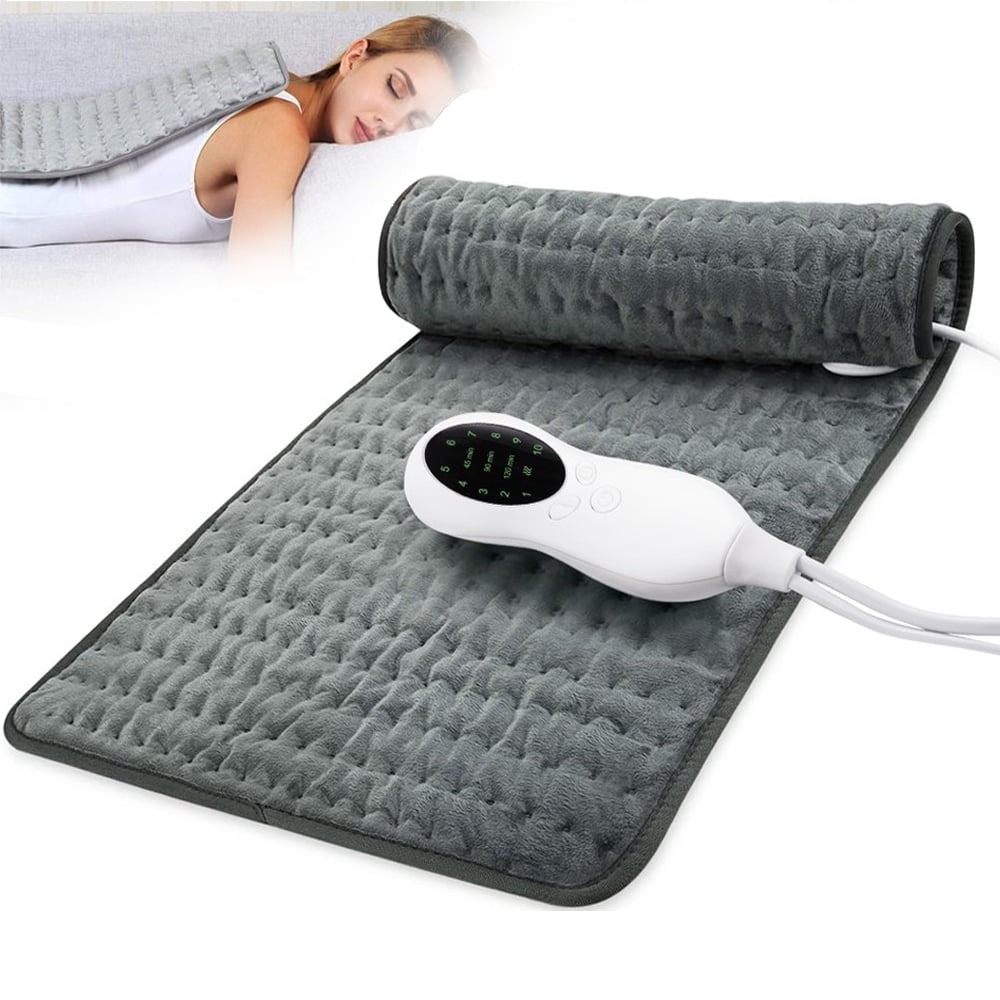
Non-electric heating pads, also known as microwavable heating pads, are filled with natural materials such as rice, barley, or flaxseed and are heated in the microwave before use. Cleaning these pads is relatively simple.

  • Remove the cover: Most non-electric heating pads come with a removable cover. Start by taking off the cover and set it aside for cleaning, following the manufacturer’s instructions if available.
  • Spot clean: Using a damp cloth and a mild detergent, gently spot clean any stains or soiled areas on the pad. Avoid soaking the entire pad as it may damage the filling.
  • Air dry: Once spot cleaning is complete, allow the pad to air dry completely before using it again. Be sure to follow the manufacturer’s guidelines for drying the pad to avoid any damage.
  • Wash the cover: If the cover is machine washable, launder it according to the care instructions provided. If it is not machine washable, spot clean it and air dry thoroughly.
heating pad used for

Incorporating these cleaning steps into your heating pad maintenance routine will help keep it in good condition and free from bacteria and odors. Additionally, it’s essential to follow the manufacturer’s instructions for cleaning and care to avoid damaging the heating pad.
Home Appliance
Regular vs Infared Heating Pad for Muscle Relief

Far Infrared vs. Traditional Heating Pads: Understanding the Differences

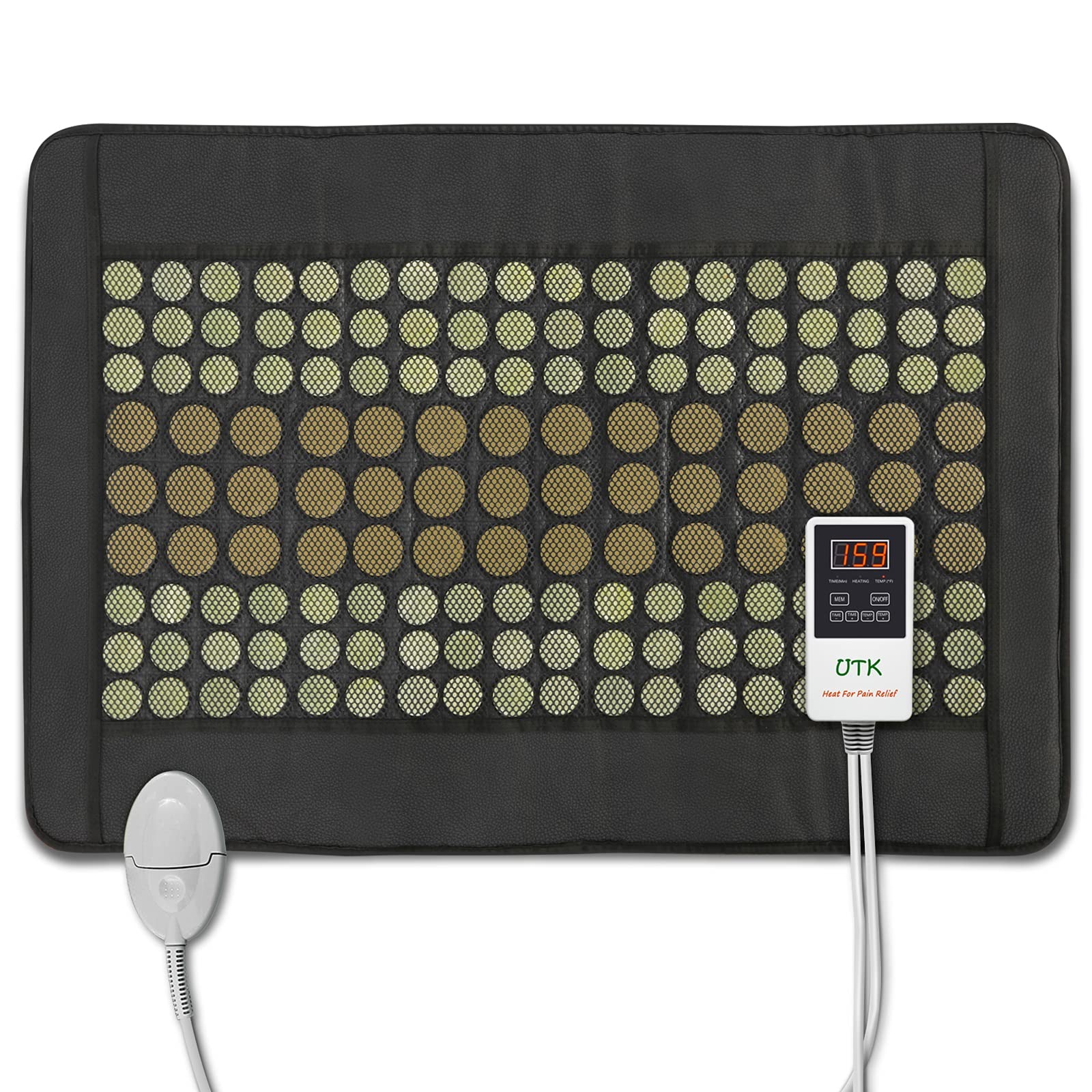
Navigating the world of infared heating pad, one stumbles upon two clear paths. Traditional electric heating pads offer comfort and quick relief, yet they operate on a more surface level. Far infrared heating pads delve deeper, promising more than just temporary reprieve.

infared heating pad

Advantages of Far Infrared Heating Pads

Far infared heating pad excel in many ways:

  • Deep Tissue Penetration: They send warmth deep into the body, reaching muscles and joints.
  • Enhanced Circulation: They boost blood flow, which encourages healing throughout the body.
  • Pain Relief: Chronic aches fade with consistent use, courtesy of their deep-reaching rays.
  • Cellular Repair: They help the body on a cellular level, promoting overall wellbeing.
  • Safety: They offer healing without the threat of harsh UV rays or skin burns.

Far infrared heating pads are more than just a tool; they are your ally in chronic pain management. They work harder and smarter, making them a top choice for those in need.

Limitations of Regular Heating Pads

Of course, traditional heating pads have their place. Yet, one must recognize their constraints:

  • Surface-level Heat: They mainly warm the skin, not the deep tissues.
  • Risk of Burns: Prolonged use can lead to skin damage.
  • Temporary Relief: They offer short-lived comfort, often requiring repeated application.
  • Limited Depth: Their heat does not reach the deeper muscles as effectively.

When it goes down to it, regular heating pads are quick fixes. They may ease the pain for the moment, but for long-term recovery, far infrared is the key.

The Science of Far Infrared Heat

Understanding the science behind far infrared heating pads can help you make an informed decision.

What is Far Infrared Radiation?

Far Infrared (FIR) radiation lies in the infrared spectrum with wavelengths from 3 to 1,000 micrometres. These rays can penetrate deep into the body, promoting healing and relief. FIR is like invisible light from the sun but without harmful UV rays.

infared heating pad

How Far Infrared Heating Pads Work

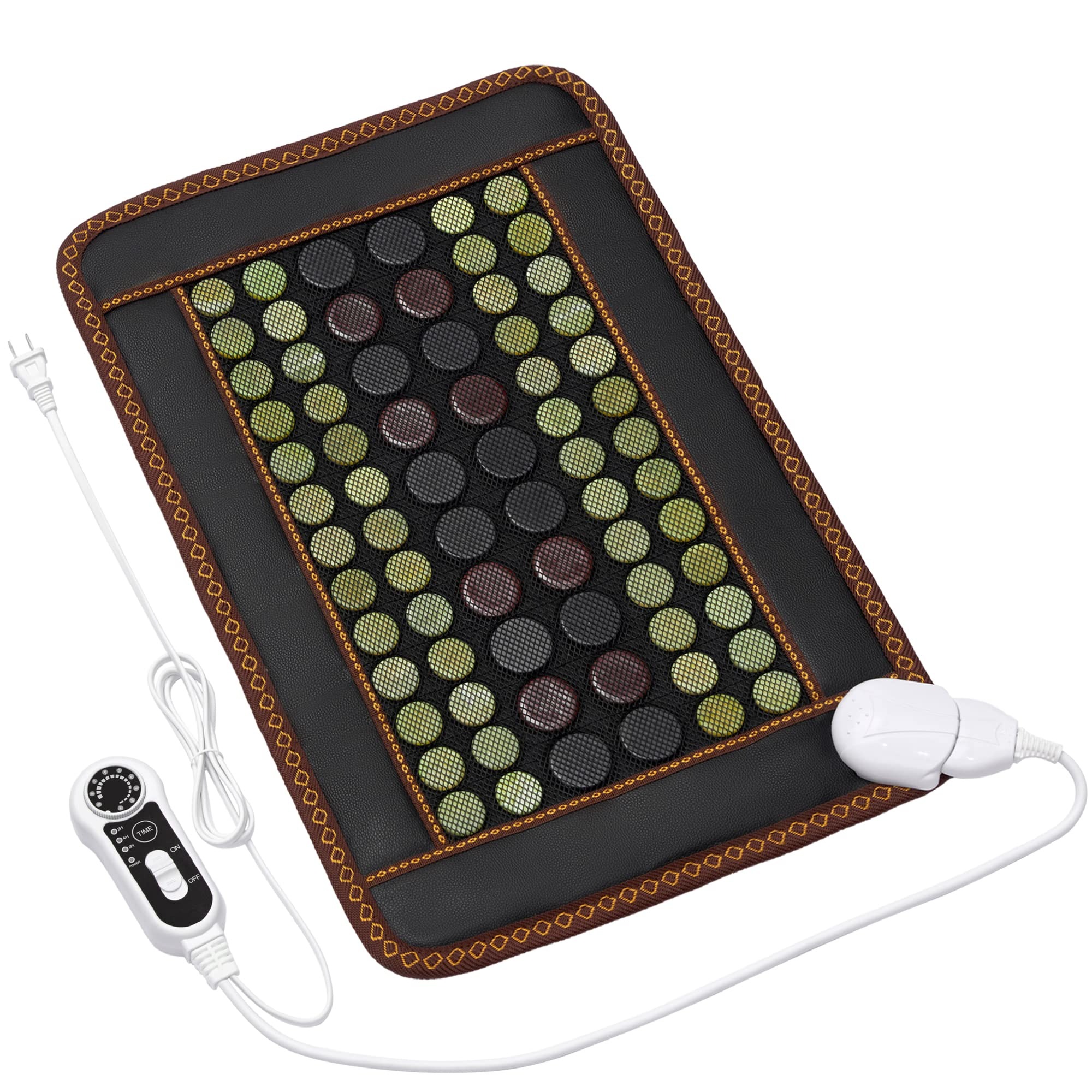
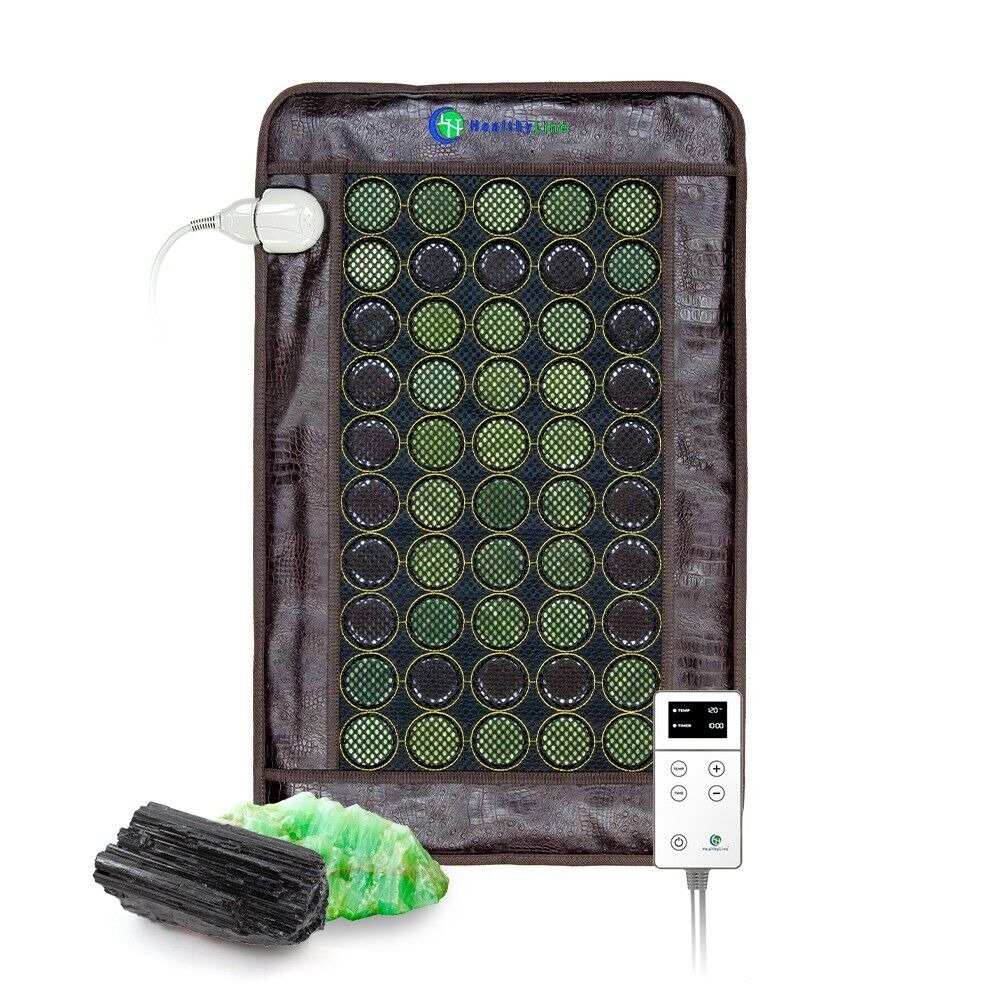
Far infrared heating pads use carbon fibers or other materials to emit FIR radiation. This energy reaches the muscles and tissues well beyond the skin’s surface. The deep heat improves circulation, accelerates healing, and alleviates pain. By creating heat inside the body, these infared heating pad do not just warm but heal.

Types of Far-Infrared Heating Pads for Various Needs

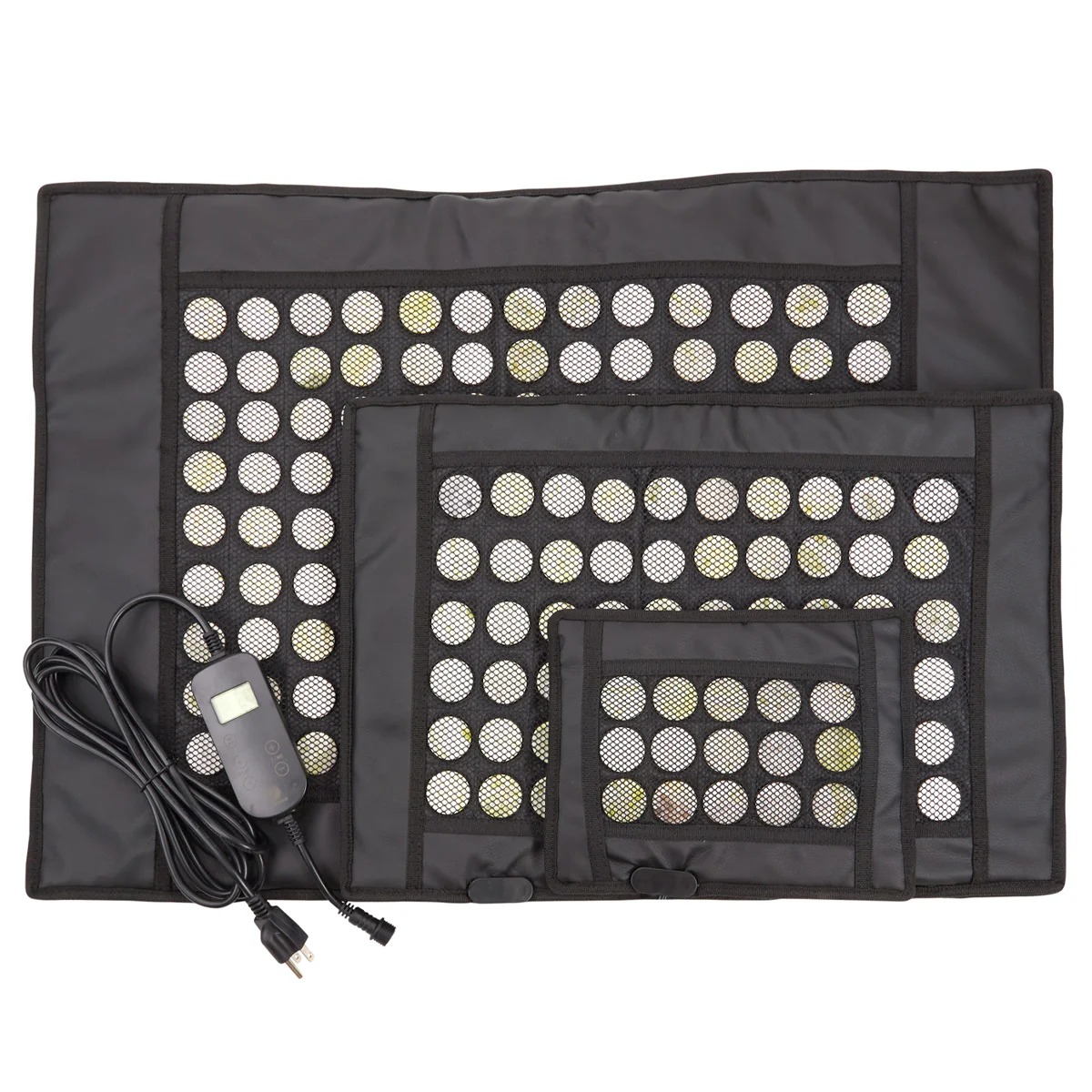
Choosing the right infrared heating pad depends on your needs. Full-body mats offer total relief, while targeted pads focus on specific areas.

Full-Body Mats for Complete Coverage

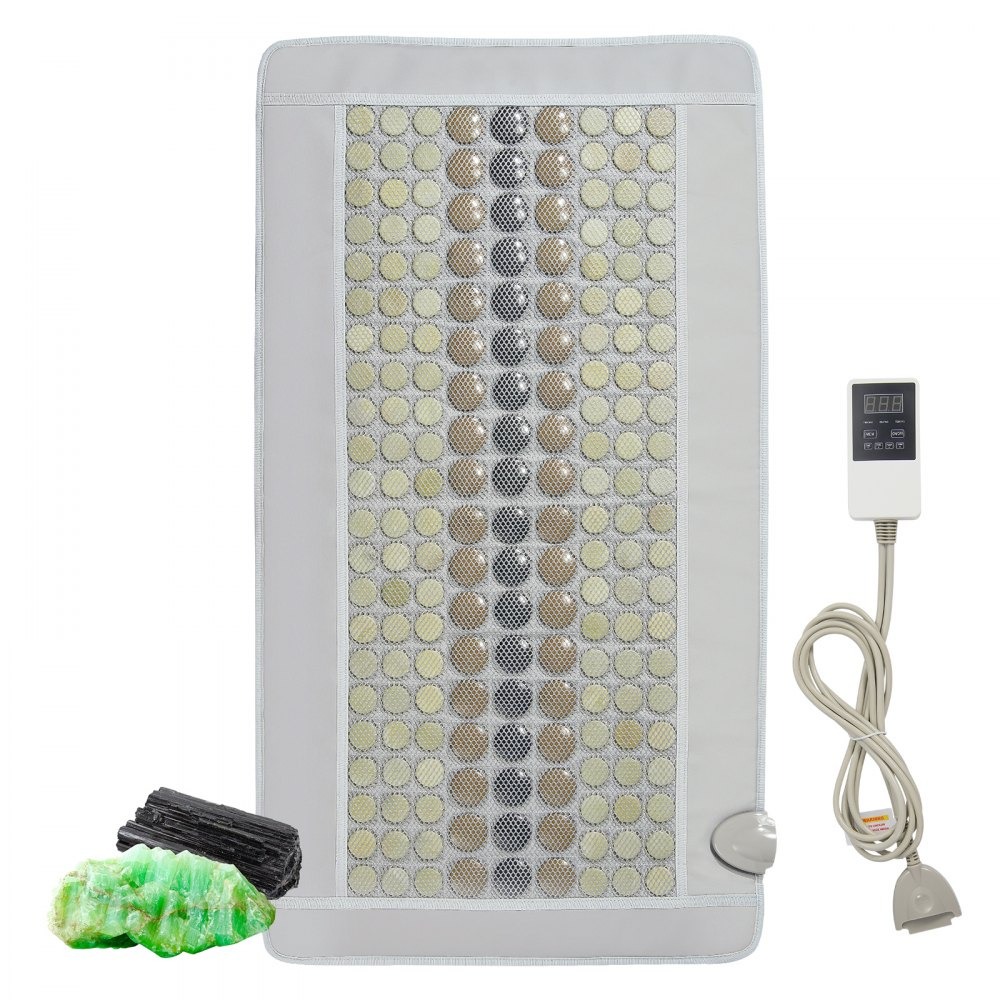
A full-body infrared heating pad is great if you need widespread relief from aches or stiffness. These large mats cover most of your body when you’re lying down. They ensure that far infrared heat surrounds you for an all-encompassing therapy session. Mats like BioMats combine this with other healing methods, like negative ions and red light therapy, for deeper effects.

Targeted Pads and Wraps for Specific Areas

If you have pain in just one spot, like your knee or shoulder, a targeted pad or wrap works better. These pads are smaller and made to wrap around certain areas. They’re easy to carry and use, whether you’re at home or on the go. Brands like Recovery Systems offer these wraps with added features like PEMF and negative ions, helping more with pain relief and inflammation in specific spots.

Health Benefits of Far Infrared Heating Applications

The far infrared heating pad, unlike regular pads that work on the surface, can deeply penetrate tissue. This deep penetration offers distinct health advantages over traditional heating methods.

Pain Relief for Back, Neck, and Joints

These pads offer significant relief for common areas of discomfort:

  • Back Pain: They help soothe lower back pain for improved daily functioning.
  • Neck Pain: These pads reduce chronic neck pain, allowing more comfort in movement.
  • Joint Pain: For achy knees or elbows, they provide targeted warmth and relief.

Improved Circulation and Cellular Repair

Deep heat from far infrared pads promotes blood flow and repair at the cellular level. Better circulation means more oxygen and nutrients reach the body’s cells. This process helps heal tissue and reduce inflammation.

Efficacy in Treating Chronic Conditions Like Fibromyalgia

Chronic conditions, like fibromyalgia, see benefits from these heating pads:

  • Fibromyalgia: Sufferers report less pain and better sleep quality.
  • Chronic Aches: Long-term relief is possible with regular use.
  • Overall Comfort: Users feel overall improvements in well-being.

These benefits make far infrared heating pads a powerful tool for health and comfort. With advancements in technology, they are becoming an ever more popular choice for managing pain and enhancing healing processes.

infared heating pad

Usage Tips for Maximum Effectiveness

To get the best out of your far infrared heating pad, it’s important to use it correctly.

Recommended Duration and Frequency

For optimal results, start with a 20-minute session three times a week. As your body adjusts, you can slowly increase the length of each session. Always begin with shorter periods to see how your body reacts.

Guidelines for Specific Health Conditions

Far infared heating pad can benefit various health issues, but proper use is essential:

  • Back Pain: Position the pad on your lower back for direct heat application.
  • Neck Pain: Use a wrap or smaller pad to target your neck area comfortably.
  • Knee Pain: Choose a pad that can wrap around your knee for focused treatment.

Always check with a healthcare provider before using an infrared heating pad, especially if you have chronic health problems. They can offer tailored advice to ensure safe and effective use.

Safety Precautions and Contraindications

While far infrared heating pads offer many benefits, safety must always come first. There are special things to think about before using one.

Special Considerations for Pregnancy and Medical Conditions

If you’re pregnant or have certain health issues, you need to be careful with far infrared heating pads. There isn’t much research on how far infrared heat affects unborn babies, so it’s best to avoid it if you’re pregnant. People with conditions like hemophilia, lupus, multiple sclerosis, severe adrenal suppression, or those with pacemakers should also talk to a doctor before trying this therapy. And if you have metal implants, check with your doctor to make sure the heat won’t affect them.

Risks for Individuals with Impaired Sensation or Communication

For those who can’t feel heat well or can’t tell others if they’re in pain, like people with neuropathy or certain cognitive conditions, using a far infrared heating pad could be risky. They might not notice if it’s too hot, which could lead to burns. Also, if you have an acute injury, skin problems like rashes or open wounds, or severe varicose veins, don’t use an infrared heating pad. It could make things worse. Remember, when in doubt, always ask a healthcare professional for advice.

Frequently Asked Questions About Infrared Heating Pads

Navigating the sea of heating pad options raises many questions. Here, we tackle the most common queries about infrared heating pads.

Differences Between Infrared and Far Infrared Heating

When it comes to infrared heating, understanding the spectrum is vital. Infrared spans a wide range, with far infrared being a specific segment:

  • Infrared Heat: Covers wavelengths from about 780 nanometers to 1 millimeter.
  • Far Infrared Heat: Focuses on a narrower band from 3 micrometers to 1,000 micrometers.

Far infrared dives deeper into tissue. This makes it a strong choice for therapeutic warmth and pain relief.

Considering Near-Infrared vs. Far-Infrared Options

Both near-infrared (NIR) and far-infrared (FIR) heating pads have their merits:

  • Near-Infrared Pads: Target shallower tissues, aiding in skin recovery and minor pain mitigation.
  • Far-Infrared Pads: Reach deeper, warming muscles and joints and providing deeper pain relief.

Choosing depends on your needs. For skin-level comfort, pick near-infrared. For deeper issues, far-infrared is better.

infared heating pad

Home Appliance
Heating Pad for Migraine? – Myth or Magic?

Introduction to Migraine and Heat Therapy

heating pad for migraine involves using warmth to ease the discomfort. Applying a heating pad can increase blood flow to a painful area. Improved blood flow can relax tight muscles and reduce pain. People with migraines often seek out heat as a simple remedy. A heating pad is a popular choice. This method of pain relief is easy to try at home. It requires no medication and is non-invasive. However, heat therapy’s effectiveness for migraines is widely debated. Some find it brings significant relief. Others may not experience the same benefits. This blog post explores how heat therapy works for migraines. We will look at its pros and cons.

heating pad for migraine

Exploring the Effectiveness of Heat for Migraine Pain

Heat therapy for migraines has its supporters and skeptics. It involves applying warmth to alleviate discomfort. This warmth increases blood flow and may relax muscles around the head and neck. For some migraine sufferers, heat can significantly reduce pain.

Heat’s benefit is its ability to soothe. It can ease the tension contributing to migraine pain. A heating pad set on a low, comfortable setting can provide these benefits. Consider a warm bath or shower as well. These methods can relieve the stress that often accompanies migraine pain.

Pros and Cons of Using Heating Pads

When dealing with migraines, heating pads are a common go-to for many. They can offer a sense of pain relief and are generally easy to use. However, it’s essential to weigh the pros and cons when considering a heating pad for migraine relief.

Pros of Heating Pads for Migraine:

  • Increase Blood Flow: Heat improves circulation, which can help relax muscle tension around the head and neck.
  • Soothe and Comfort: A warm pad can provide a comforting sensation that may help reduce the perception of pain.
  • Accessible and Non-invasive: Heating pads are widely available and can be used at home without medical intervention.
  • Complements Medication: For some, heat therapy works well alongside medication, enhancing pain relief.

Cons of Heating Pads for Migraine:

  • Not for All Migraine Types: Heat may worsen migraines caused by warm environments or in those sensitive to heat.
  • Risk of Burns: Using high temperatures can lead to burns or skin irritation if not careful.
  • Temporary Relief: Heat often provides temporary comfort, and its pain-relief effects may not last long.
  • Potentially Increases Discomfort: Some individuals might find that heat increases their headache intensity.

It’s crucial for migraine sufferers to try different levels of heat and note their body’s reaction. If you find that a heating pad eases your pain, it could be a useful tool in your migraine management kit. But if it doesn’t help or makes things worse, exploring other relief options is advisable.

heating pad for migraine

When to Use a Heating Pad for Migraine

Knowing when to use a heating pad can make a difference. Not every migraine is the same. The right moment depends on the type of migraine you have. Remember, if heat triggers your pain, avoid using a heating pad. Here are scenarios where a heating pad might help:

  • Early Stages of Migraine: If you feel a migraine coming on, applying heat early may reduce severity.
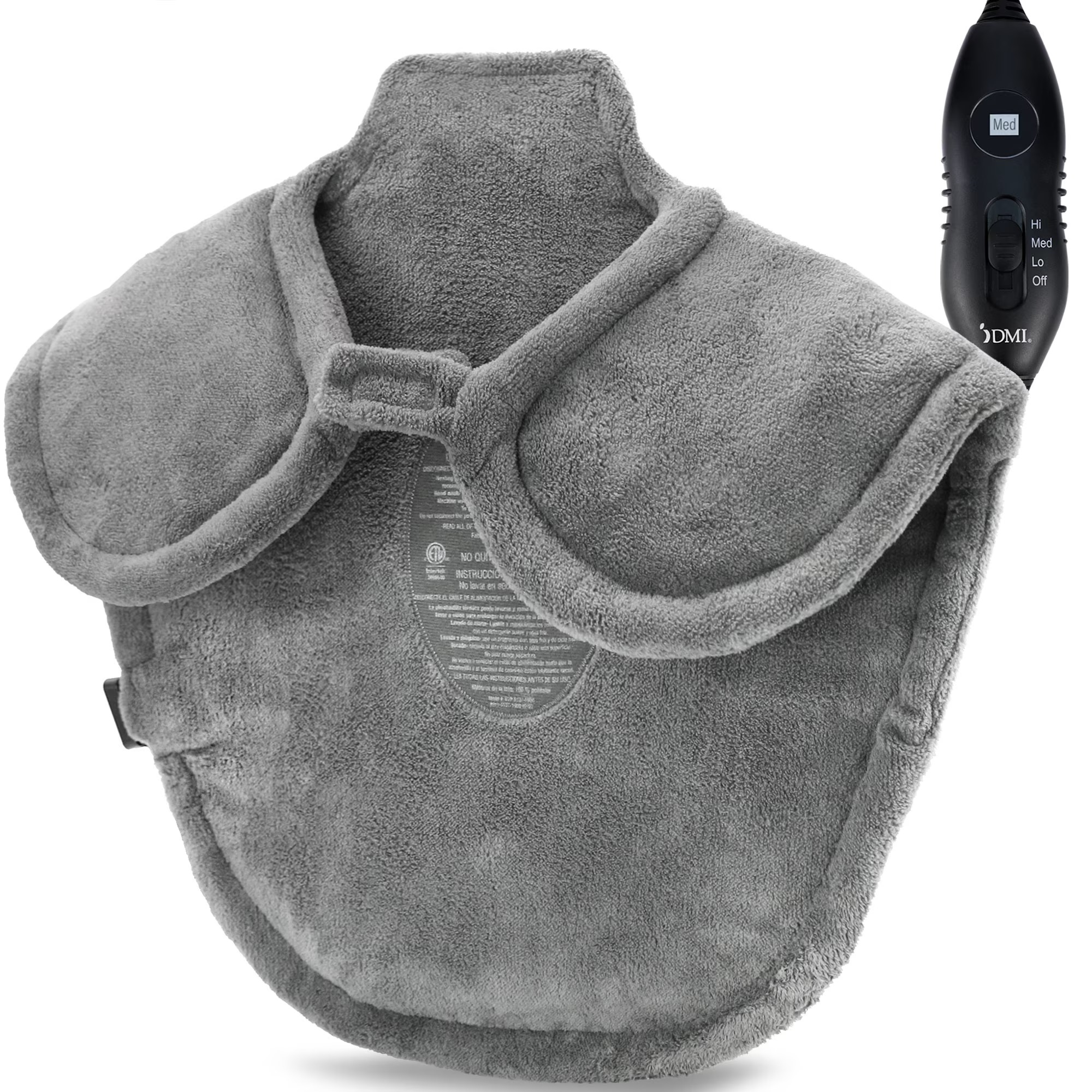
  • Muscle Tension: A heating pad can ease muscle tension in the neck and shoulders. This might help if tension is part of your migraine symptoms.
  • After Triggers: Once a known trigger, like stress, has passed, heat might soothe residual pain.
  • During Rest: Use a heating pad when you’re resting or lying down. This can provide comfort and may aid in relaxation.

Always start with a low heat setting. Increase it slowly to find a comfortable level. Don’t use the heating pad for too long. Short sessions are best. This reduces any risk of skin irritation or burns.

Never sleep with a heating pad. This could lead to burns if it is left on a high setting or used for too long. If your migraine does not improve, or if you feel worse, stop using the heating pad. Always listen to your body and contact a healthcare provider if you have concerns.
Combating Migraines: Lifestyle and Home Remedies

Living with migraines can be tough, but certain lifestyle adjustments and home remedies may provide relief. Incorporating these strategies can offer a sense of control over migraine pain. Here are some effective methods to consider:

Find a Calm Environment

React quickly at the first sign of a migraine. Seek out a quiet, dark room. This can lessen migraine pain.

Apply Temperature Therapy

Use cold or hot compresses on your head or neck. Cold packs numb, and heat can relax muscles.

Manage Sleep Patterns

Regular sleep helps prevent migraines. Try to sleep and wake at the same times daily. Avoid long naps during the day.

Maintain Proper Nutrition

Eat meals at scheduled times. Avoid skipping meals. Keeping a food diary can help identify triggers.

Limit Caffeine Intake

In small doses, caffeine may help. Too much can lead to withdrawal headaches. Monitor your intake carefully.

Regular Physical Exercise

Physical activity releases chemicals that block pain signals. Choose enjoyable, moderate exercises like walking or cycling.

heating pad for migraine

Alternative Migraine Relief Options

When heat therapy isn’t enough, other migraine relief options can help. These alternatives may complement or replace heat therapy for some sufferers.

  • Cold Compresses: Cold can reduce inflammation and numb pain. Place a cold pack on your forehead or neck.
  • Relaxation Techniques: Deep breathing, meditation, and yoga can reduce stress that may trigger migraines.
  • Regular Exercise: Activities like walking or swimming can reduce stress and headache frequency.
  • Healthy Eating Habits: Avoid foods that trigger migraines. Eat regularly to prevent low blood sugar headaches.
  • Adequate Sleep: Keep a consistent sleep schedule. Too little or poor-quality sleep can lead to migraines.

Try these options to find relief. What works varies from person to person. Always consult with a healthcare professional before trying new treatments. They can guide you to safe and effective migraine management strategies.

Understanding and Identifying Migraine Triggers

Identifying what starts your migraines is key to prevention. Triggers vary among individuals. Common ones include stress, certain foods, and hormonal changes. Weather shifts or sensory stimuli can also spark migraines. Acknowledging these helps you avoid them.

Keeping a migraine diary is a smart step. Note when migraines occur and what’s happening around you. Track your food intake, stress levels, and sleep patterns. Over time, you may spot patterns. These insights can guide you in making lifestyle changes. For some, it’s stress reduction. For others, it’s avoiding certain foods or adjusting sleep habits.

Be mindful that triggers can change. They may even evolve over time. Always update your diary and be open to new patterns emerging. Keeping in close communication with your healthcare provider is also essential. They can help you understand and manage your triggers effectively.

Expert Insights and Medical Advice for Migraine Management

Navigating migraine management can be complex, but expert insights and medical advice can provide clarity. For those seeking alternative strategies beyond the heating pad for migraine relief, here are some expert recommendations:

  • Consult a Healthcare Professional: Before trying new treatments, talk to a doctor to craft a personalized plan.
  • Combine Therapies: Use a blend of medication, lifestyle changes, and other treatments like a heating pad for comprehensive care.
  • Identify and Manage Triggers: Work with a healthcare provider to pinpoint and avoid triggers through a migraine diary.
  • Consider Preventive Medication: If migraines are frequent, ask about preventive drugs that might reduce episodes.
  • Explore Prescription Treatments: For severe cases, prescription pain relievers or triptans might be necessary.
  • Stay Informed: Keep up with the latest migraine research and treatment options by reading reputable health information sources.

Adhering to medical advice and staying proactive in healthcare decisions can foster effective migraine management. Prioritize self-care and work closely with medical professionals to navigate the path to relief.

heating pad for migraine

Home Appliance
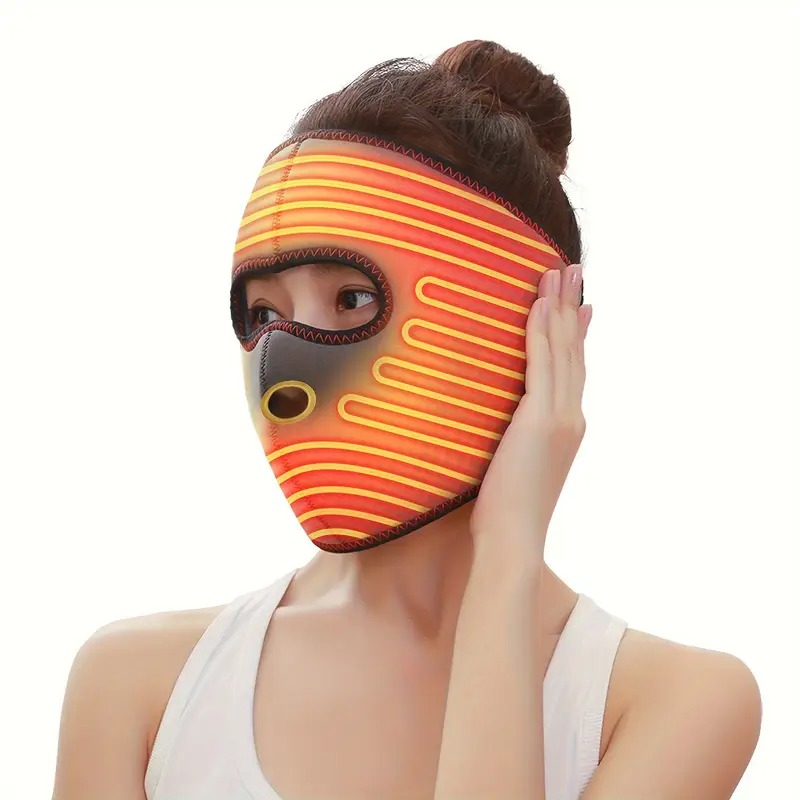
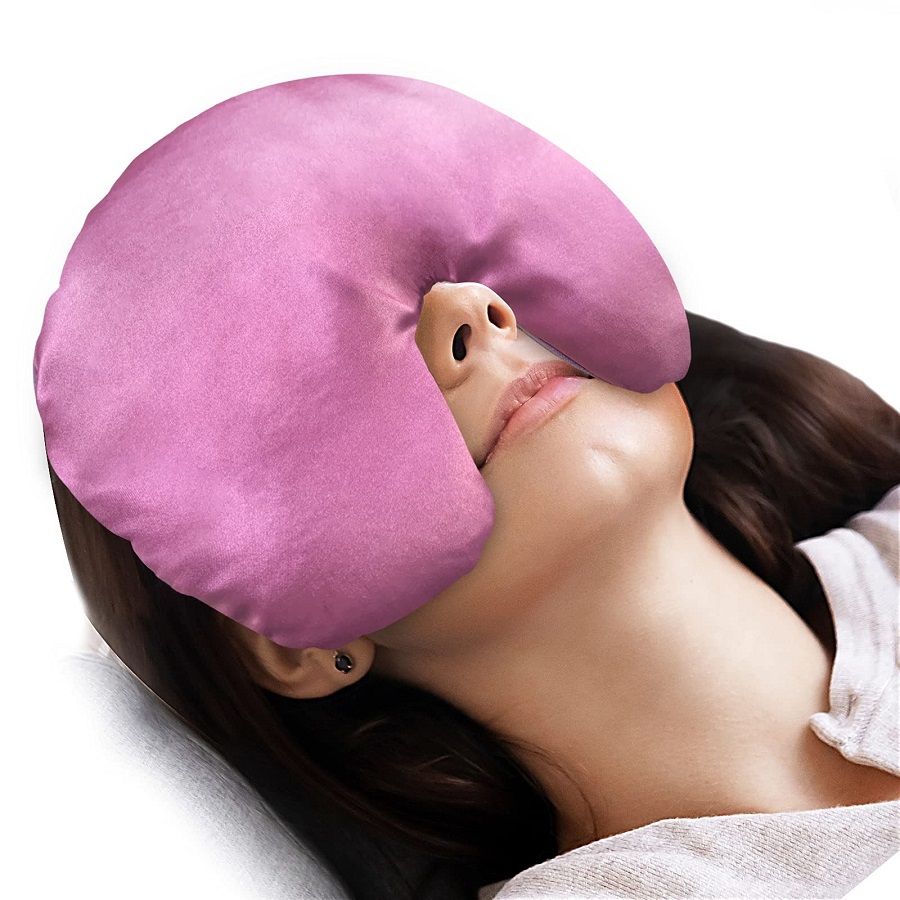
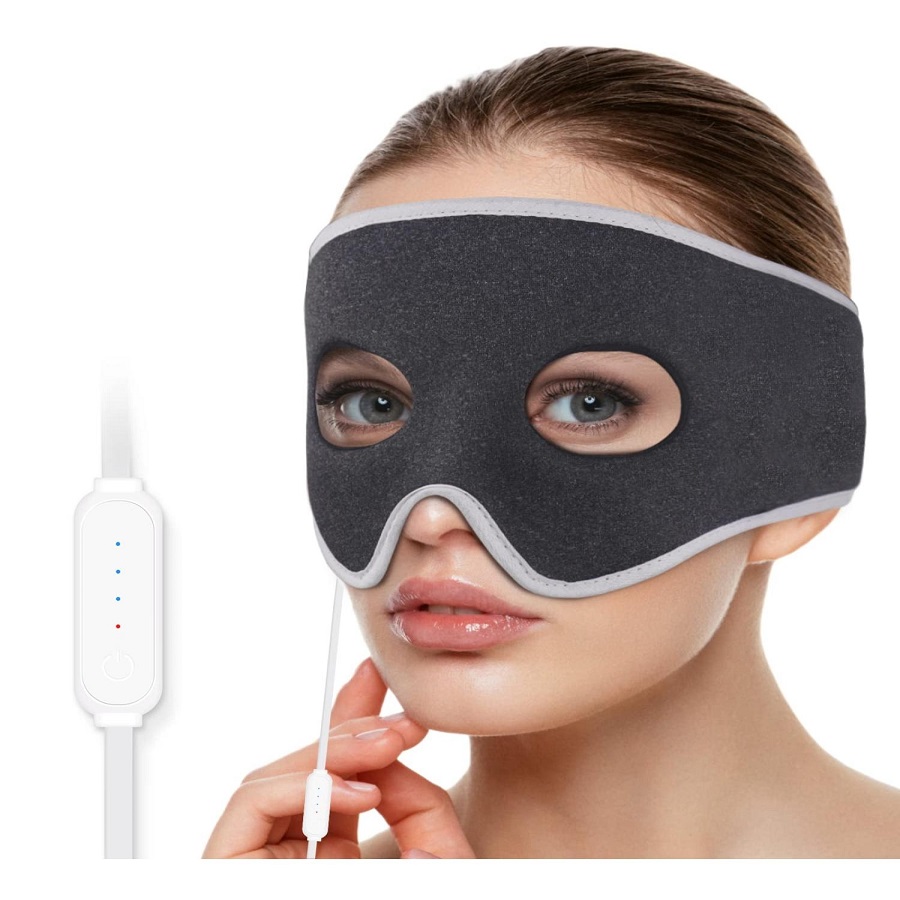
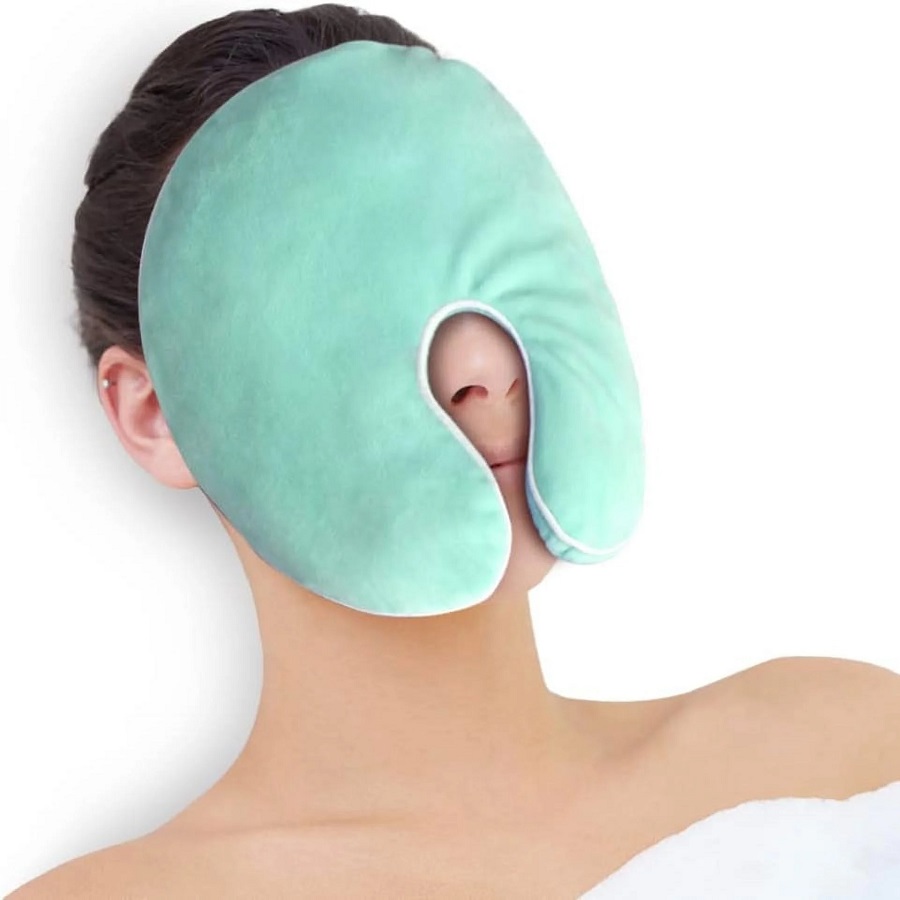
Soothing Sinus Pain – Heating Pad for Sinus Infection

Understanding Sinus Infections

Before delving into the efficacy of a heating pad for sinus infection, it’s crucial to understand what sinus infections are. Sinus infections, also known as sinusitis, occur when the nasal passages become swollen and inflamed. This condition can cause a range of symptoms, including pain, pressure, and a stuffy or runny nose. Sinus infections can be acute, lasting a few weeks, or chronic, lingering for several months.

heating pad for sinus infection

Benefits of Heating Pads for Sinus Pain

The right remedy can make all the difference when battling sinus pain. Heating pads offer several benefits for those suffering from sinus infections. The warmth from the pad provides immediate comfort, targeting the pain directly where it hurts.

Immediate Pain Relief

Applying heat to the sinus area can quickly diminish the perception of pain. When the heat penetrates the skin, it helps relax the muscles. This reduces tension and can relieve pressure in the nasal passages.

Reduced Swelling

Inflammation is a common symptom of sinus infections. A heating pad‘s warmth promotes circulation, assisting in the reduction of swelling within the nasal cavities.

Improved Drainage

Sinus pressure often results from blocked nasal passages. Heat encourages the sinuses to drain, helping clear out mucus that may be causing blockages and discomfort.

The Best Types of Heating Pads for Sinus Relief

Choosing the right type of heating pad can greatly influence the relief you get from sinus pain. There are various kinds of heating pads available, designed to match different preferences and needs.

Electric Heating Pads

Electric heating pads are a popular choice for sinus pain relief. They offer consistent heat and allow you to control the temperature precisely. Look for pads with adjustable settings to find a heat level that is comfortable for you.

Microwavable Heating Pads

These are convenient and portable, ideal for people on the go. Usually filled with materials like rice, seeds, or gel, they can be quickly heated in a microwave. Their heat does not last as long as electric pads, but they can be reheated as needed.

Infrared Heating Pads

Infrared pads penetrate deeper into tissues, potentially providing better relief for sinus infections. They are believed to improve circulation more efficiently than other types of heating pads.

heating pad for sinus infection

Herbal Heating Pads

Herbal heating pads combine the comfort of heat with the potential benefits of aromatherapy. Ingredients like eucalyptus or peppermint can heighten the relief from sinus pain.

When picking a heating pad for sinus infection, consider the duration of heat you need and the convenience of reheating. Always look for quality and ensure that the product is safe to use on the face and head area. Your choice should also align with your personal preferences and lifestyle needs for the best experience and relief.

How to Safely Use a Heating Pad for Sinus Pain

Using a heating pad for sinus infection can bring comfort, but safety is key. Here’s how to do it right:

Check the Temperature Before Use

Test the heat level before applying the pad to your face. It should feel warm, not hot, to avoid burns.

Follow Time Recommendations

Don’t use the heating pad for too long. Stick to 15-20 minute sessions to prevent skin irritation.

Use a Barrier

Place a cloth between your skin and the heating pad. This helps distribute the heat more evenly and protects your skin.
Avoid Sleeping with the Pad

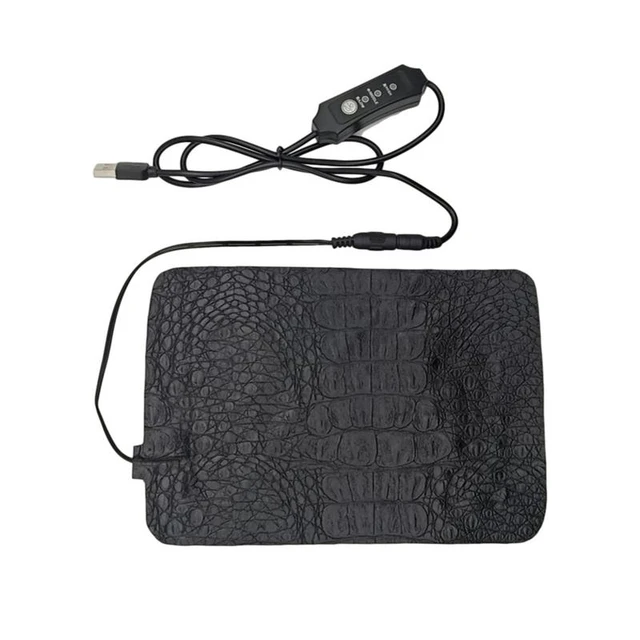
To prevent overheating and potential burns, never fall asleep with the heating pad on.

By following these safety tips, you can use a heating pad for sinus pain without worry. Always start on the lowest setting and increase as needed for comfort. Combine this practice with other treatments suggested by medical professionals for best results.

Alternatives to Heating Pads for Sinus Infections

While heating pads offer relief, there are other methods to ease sinus pain. Understanding these alternatives can help you manage sinus infections more effectively. Here are some supplementary options:

Use Saline Nasal Sprays

Saline nasal sprays moisten dry nasal passages. They also thin mucus, making it easier to drain.

Try Steam Inhalation

Inhaling warm steam can soothe irritated sinus linings. It helps clear congestion. You can use a bowl of hot water or a steam inhaler.

Elevate Your Head While Sleeping

Keeping your head raised alleviates pressure. It can reduce nighttime congestion.

Stay Hydrated

Drinking plenty of fluids thins nasal mucus. This supports easier mucus drainage and reduces sinus pressure.

Apply Warm Compresses

A damp cloth heated in the microwave can work like a heating pad. Apply it to your face for similar effects.

Over-the-Counter Medications

These alternatives can be used in conjunction with a heating pad for sinus infection or on their own. Every person may respond differently to various treatments. It’s essential to find what works best for you and to consult with a health professional when needed.

heating pad for sinus infection

When to Use Cold Therapy Instead of Heat

While a heating pad for sinus infection can offer relief, there are situations where cold therapy may be more appropriate. It’s important to recognize when to use cold instead of heat to manage sinus pain effectively.

Cold Therapy Reduces Inflammation

If you notice that your sinus areas are particularly swollen, cold therapy can help reduce this inflammation. The chilly temperature constricts blood vessels and decreases blood flow to the area, helping to alleviate swelling.

Use Cold for Fresh Injuries

When an injury occurs, such as a bump to the nose that may lead to sinus issues, cold therapy is the first choice. It can prevent swelling from worsening in the initial stages after the injury.

Cold Can Numb Sharp Pain

A sudden, sharp sinus pain might respond well to a cold compress. The numbing effect can provide quick, temporary relief from intense discomfort.

Avoid Cold if You Have Muscle Stiffness

Remember, whether you use heat or cold, it should always be in moderation. Avoid extreme temperatures and always use a barrier, like a cloth, between the therapy pack and your skin. Listen to your body’s response and consult a healthcare provider if you’re unsure about the best treatment for your sinus pain.

Tips for Preventing Sinus Infections

Preventing sinus infections involves a mix of lifestyle changes and practical measures. Here are some tips to help keep your sinuses clear:

Maintain Good Hygiene

Wash your hands regularly to avoid catching colds that can lead to sinus infections. Keep your nasal passages clean with saline rinses.

Stay Hydrated

Drink plenty of water. It thins the mucus, which helps prevent blockages in your sinuses.

Manage Allergies

Keep allergies in check. Use allergy medications or nasal sprays as prescribed by a doctor.

Avoid Smoke and Pollutants

Stay away from smoke and pollutants. They can irritate and inflame your sinus passages.

Practice Healthy Living

By following these tips, you can reduce your risk of sinus infections. These habits complement the use of a heating pad for sinus infection when you need relief. However, if you frequently get sinus infections, it’s important to see a doctor for further evaluation and management.

heating pad for sinus infection

When to See a Doctor for Sinus Pain

Dealing with a sinus infection can be frustrating and painful. While a heating pad for sinus infection provides comfort, sometimes you need professional medical advice. Knowing when to see a doctor is crucial for proper care and healing. Here are several signs that it’s time to consult a healthcare provider:

Persistent Symptoms

If your symptoms last more than 10 days without improvement, seek a doctor’s help.

Severe Symptoms

Intense pain, high fever, or a sudden and severe headache are all red flags.

Additional Health Concerns

Ignoring these signs can lead to complications. It’s important to balance self-care, like using a heating pad for sinus infection, with professional guidance. When unsure, it’s always safer to speak to a medical expert.

Home Appliance
Choosing the Right Neck Heating Pad -Soothing Comfort

Introduction to Neck Heating Pads

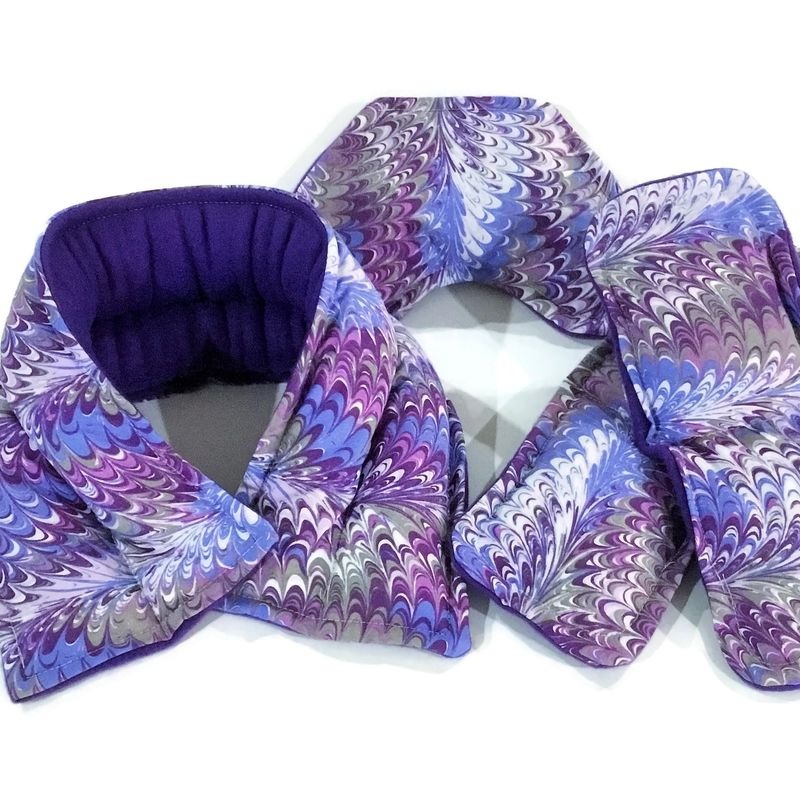
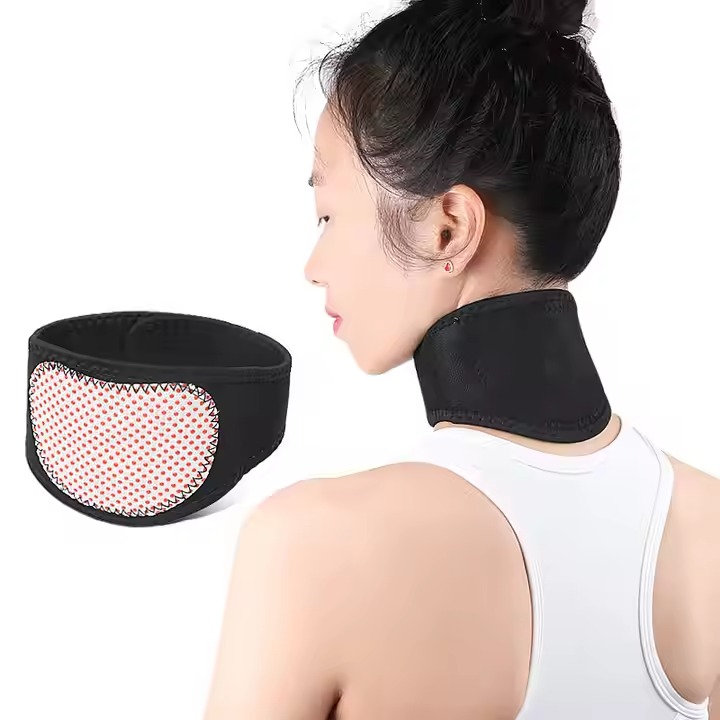
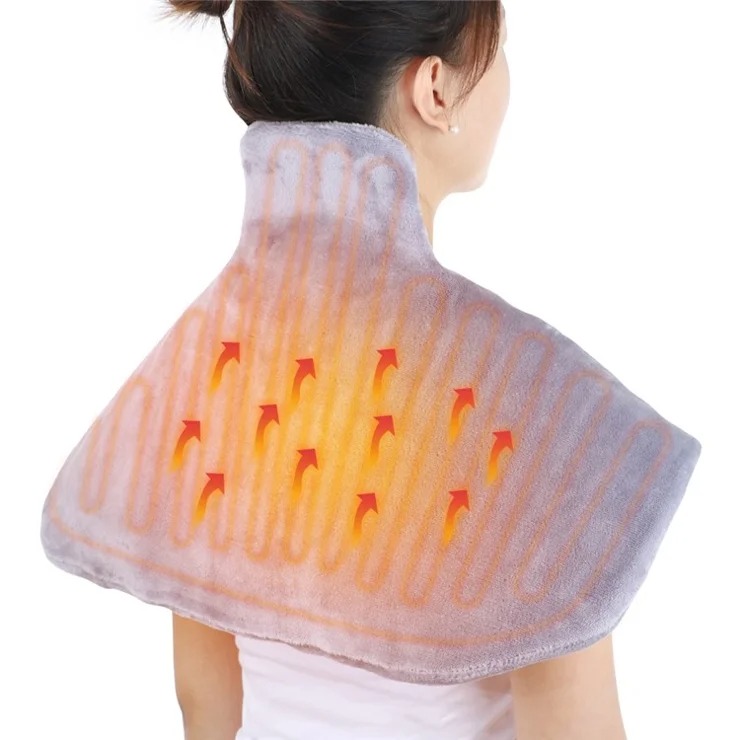
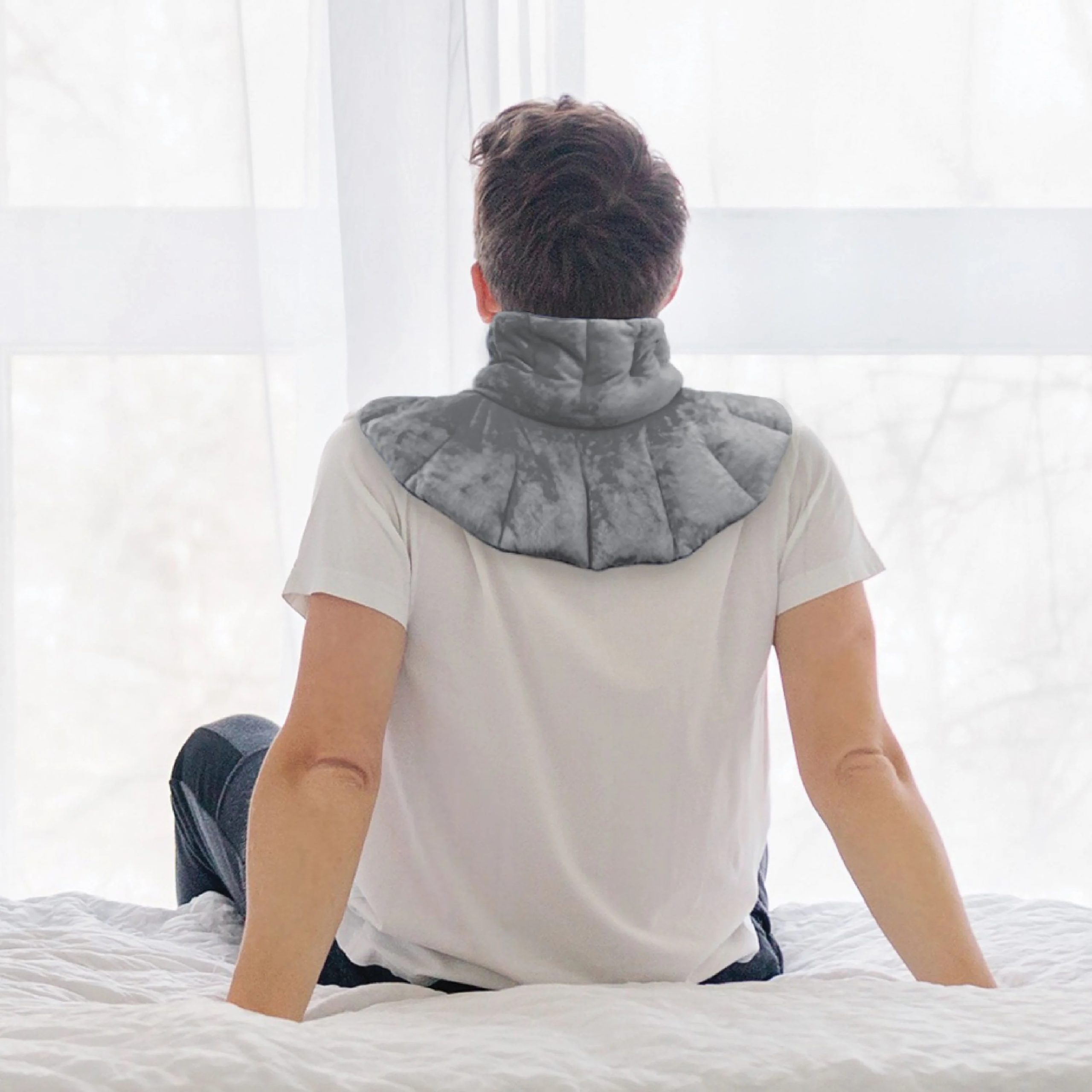
Neck heating pad are a form of therapeutic heat wrap. They provide targeted warmth to the neck area. This can help ease stiffness, reduce pain, and increase blood flow. People suffering from neck strain or arthritis may find relief with a neck heating pad. Beyond pain relief, these pads can offer muscle relaxation. Tense and sore muscles often benefit from the gentle heat. A neck heating pad can come in various styles and materials. In today’s market, options range from electric to microwavable to chemical-based types. When picking the right neck heating pad, it’s crucial to consider comfort, heating mechanism, and safety features.

neck heating pad

The Benefits of Using a Neck Heating Pad

The use of a neck heating pad offers a range of advantages. First and foremost, a neck heating pad can alleviate pain effectively. This is especially true for chronic conditions like arthritis and muscle strain. It directly targets the neck, delivering soothing heat to reduce discomfort. By boosting circulation, it speeds up the healing of sore muscles. It can lessen stiffness, granting you greater mobility and flexibility in your daily activities.

Another key benefit lies in stress relief. The heat from the pad relaxes muscle tension. This can help you unwind after a long day. Many users report improved sleep quality since the reduction in muscle tension eases you into a restful state. Also, for those who work long hours at a desk, a neck heating pad can act as a preventive measure. It minimizes the risk of developing tension headaches and neck pain.

No need for medication is another pluses with a neck heating pad. For those looking to avoid over-the-counter painkillers, the pad serves as a natural remedy. With regular use, some individuals might reduce their dependence on medication for neck pain management.

Types of Neck Heating Pads Available

When scouting for a neck heating pad, you’ll encounter various types. Let’s explore the main ones.

Electric Neck Heating Pads

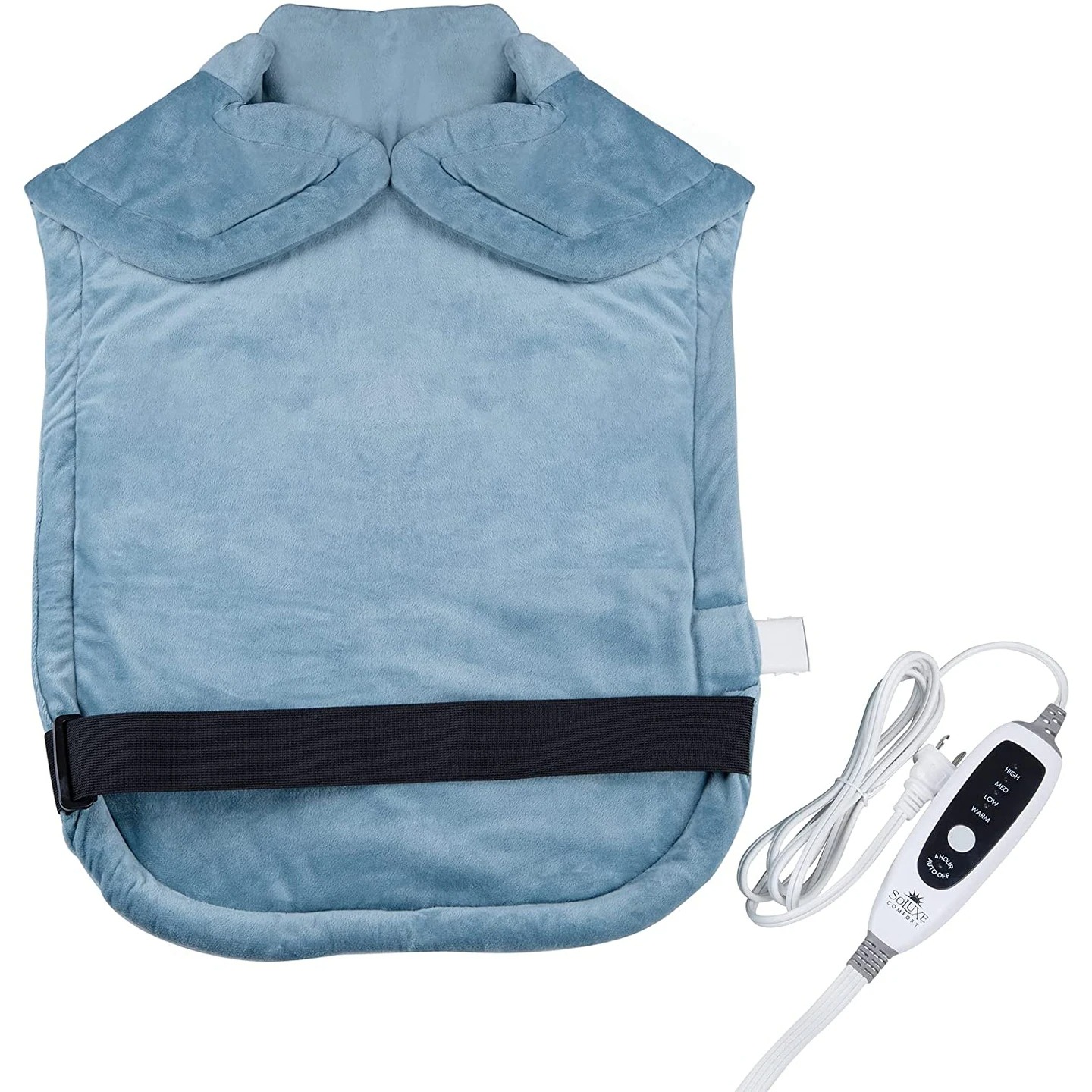
These pads plug into an electrical outlet to provide consistent heat. They offer adjustable temperature settings. This allows you to control the heat level for personalized comfort. Some models even come with auto shut-off features for safety.

Microwavable Neck Heating Pads

Filled with materials like grains or gels, these heat up in the microwave. They are handy for quick use and do not require electricity. Their warmth, however, may not last as long as electric options.

Infrared Neck Heating Pads

Infrared pads use light to penetrate deeper into muscles. They claim to offer more effective pain relief. Such pads often come with higher price tags but provide a different kind of therapeutic heat.

neck heating pad

Chemical Neck Heating Pads

These pads activate when you mix certain chemicals by cracking or shaking them. They are portable and easy to use anywhere, but their heat can be less predictable. Once the chemical reaction ends, they can’t be reheated.

Gel Neck Heating Pads

Choosing the right neck heating pad depends on your lifestyle and needs. Consider how long you need the heat, where you’ll use the pad, and what kind of comfort you prefer. Each type has its pros and cons, so weigh them carefully to find the best fit for you.

Features to Look for in a Neck Heating Pad

When selecting a neck heating pad, certain features can enhance your experience. Keep these in mind during your search:

  • Temperature Control: Adjustable settings let you customize the warmth to your comfort level.
  • Auto Shut-off Function: Safety is key. This feature ensures the pad turns off automatically after a set time.
  • Material Comfort: Soft fabrics are gentle on the skin. Seek out plush materials for extra comfort.
  • Ergonomic Design: A pad that fits well around your neck and shoulders will provide the best relief.
  • Ease of Use: Simple controls and user-friendly designs make a neck heating pad more convenient.
  • Maintenance: Choose a pad that is easy to clean and maintain for hygienic use.
  • Flexibility: A pad that remains pliable when heated will conform better to your neck’s shape.
  • Cord Length: For electric pads, a long cord gives you the freedom to move around while using it.
  • Weight: Heavier pads might provide more pressure, which can aid in pain relief, while lighter ones are more portable.

Putting thought into these points will help you find a neck heating pad that suits your needs perfectly. It will provide you both the therapeutic benefits and the comfort you seek.

How to Use a Neck Heating Pad Safely

Using a neck heating pad safely is crucial to prevent burns and injuries. Below are key tips to ensure you use it correctly:

  • Read Instructions: Always start by reading the product manual. Understand the guidelines for safe use.
  • Check for Damage: Before use, inspect the pad for any damage. Look for cracks, leaks, or exposed wires.
  • Avoid Direct Skin Contact: Place a cloth between the pad and your skin. This minimizes burn risks.
  • Don’t Overheat: Heat the pad only up to the recommended temperature. Do not exceed the suggested time.
  • Supervision is Vital: Never use the pad while sleeping or if you’re unable to monitor its heat.
  • Moisture Control: Ensure you’re dry and the pad is not wet before use to prevent electric shock, especially with electric neck heating pads.
  • Timed Sessions: Limit your sessions with the heating pad. Usually, 15-20 minutes is enough.
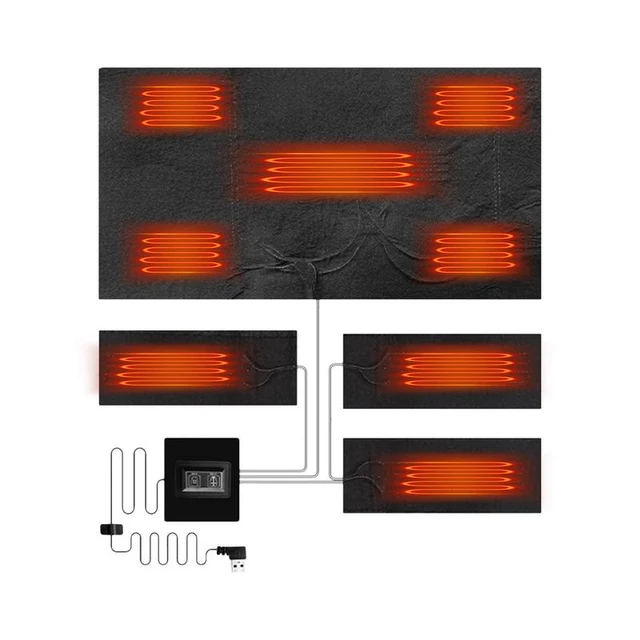
  • Adjust Gradually: Start at a lower heat setting, then gradually increase as needed for comfort.

Taking care to apply these guidelines will ensure you gain the benefits of your neck heating pad without unnecessary risks. Safe practices are an integral part of effective pain management with any therapeutic device.

neck heating pad

Tips for Maintaining Your Neck Heating Pad

To keep your neck heating pads in top condition, regular maintenance is crucial. Here are some practical tips:

  • Check Regularly: Inspect your pad often for signs of wear and tear. Look for any damage.
  • Clean According to Instructions: Follow the cleaning guidelines from the manufacturer. This usually involves wiping the pad with a damp cloth.
  • Store Properly: Keep the pad in a cool, dry place. Avoid folding it sharply to prevent damage to internal components.
  • Avoid Moisture: If your pad gets wet, dry it completely before the next use. Water can harm electrical pads.
  • Cord Care: For electric models, coil the cord loosely to prevent kinks or breaks.
  • Remove Filling: For microwavable pads with removable fillings, take them out before washing the fabric cover.

By sticking to these maintenance habits, you extend the life of your neck heating pad. You also ensure each use is safe and effective for your needs. Proper care saves you money and keeps the comfort coming, session after session.
Recommendations for Top Neck Heating Pad Brands

When shopping for a neck heating pads, brand reputation and product quality are paramount. Here are some top brands to consider:

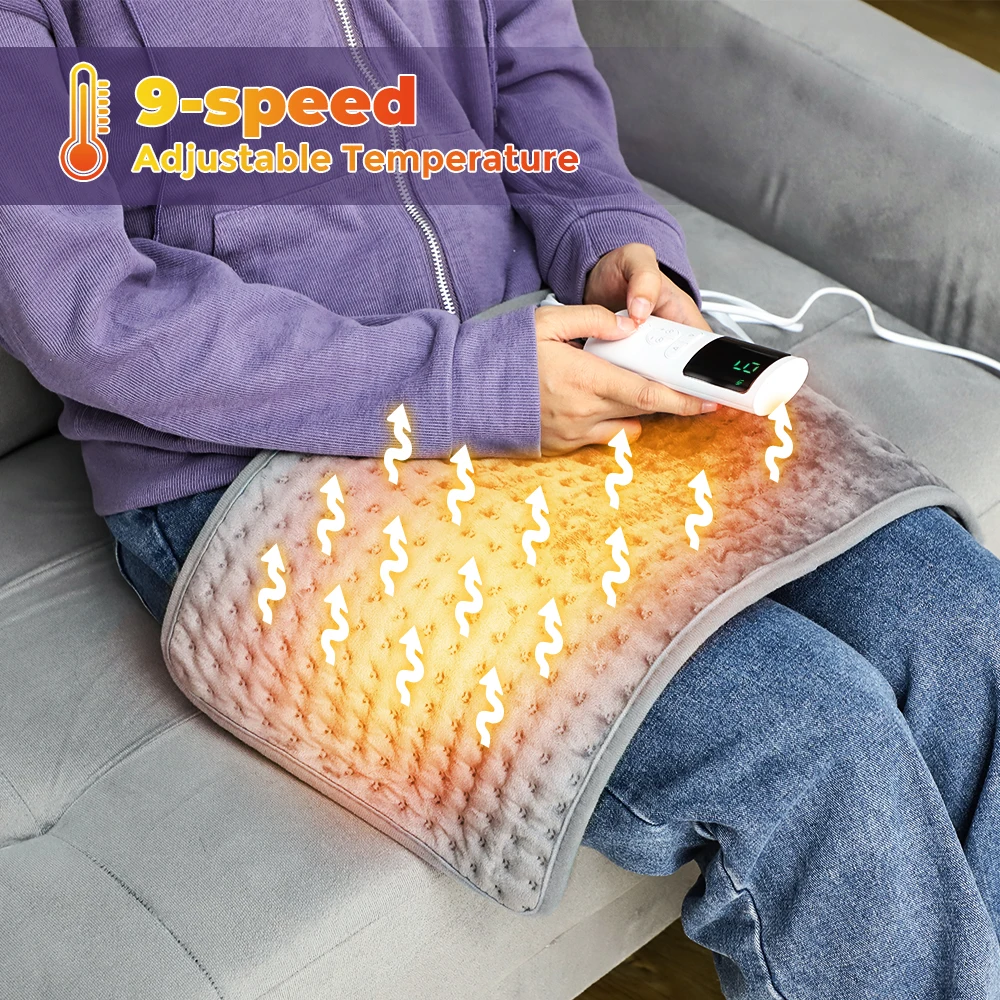
  • Sunbeam: Known for their wide range of electric heating pads, Sunbeam offers features like adjustable heat settings and auto shut-off.
  • PureRelief: PureRelief neck heating pads have ergonomic designs. They often come with plush covers for added comfort.
  • Thermophore: Thermophore pads are recognized for their moist heat therapy, which can enhance pain relief.
  • Sharper Image: Sharper Image features innovative designs, with some models offering massage and heat in one.
  • TheraPAQ: TheraPAQ provides versatile gel pads that can be used for both heat and cold therapy.

Selecting from these trusted brands, with their commitment to quality and innovation, can lead to a satisfying purchase. Remember to weigh the key features you need against each brand’s offerings to make an informed choice.

neck heating pad

Conclusion: Finding Your Ideal Neck Heating Pad

Choosing the right neck heating pads is vital for both comfort and therapeutic benefit. It requires thoughtful consideration of the types available and their distinct features. As outlined, safety features like temperature control and auto shut-off are crucial. Also, personal preferences on heat duration and pad flexibility matter. Weight and cord length for electric pads should suit your needs too.

Home Appliance Personal Care
What happens if you use a heating pad too much?

Introduction

In 2024 heating pads are commonly used for pain relief and relaxation. While they can be effective in providing temporary comfort, excessive usage can have negative consequences on your health and well-being. It is important to understand the potential risks associated with using a heating pad too much to ensure safe and responsible usage. In this guide, we will explore the various consequences of excessive heating pad usage, including skin damage, burns, dehydration, and increased sensitivity to heat.

What happens if you use a heating pad too much?

Skin Damage

1.1. Dryness and Dehydration

Using a heating pad excessively can lead to dryness and dehydration of the skin. The heat from the pad can cause moisture loss, leaving the skin dry, flaky, and prone to irritation.

1.2. Skin Sensitivity

Repeated and prolonged exposure to heat from a heating pad can make the skin more sensitive. This increased sensitivity can lead to discomfort, redness, and irritation even with minimal heat exposure.

1.3. Exacerbation of Skin Conditions

Individuals with pre-existing skin conditions such as eczema or psoriasis may find that excessive heating pad usage worsens their symptoms. The heat can aggravate inflammation and lead to flare-ups of these skin conditions.

Burns

2.1. Increased Risk of Burns

Using a heating pad for an extended period or at excessively high temperatures increases the risk of burns. Prolonged exposure to heat can cause skin damage, ranging from mild burns to more severe injuries.

2.2. Blistering and Tissue Damage

If the heating pad is used for too long or at high temperatures, it can result in the formation of blisters on the skin’s surface. Severe burns can cause tissue damage, leading to pain, scarring, and the potential for long-term complications.

side effects of prolonged heating pad use

Dehydration and Heat-Related Issues

3.1. Loss of Fluids

Excessive use of a heating pad can lead to increased fluid loss from the body through sweating. This can result in dehydration, leading to symptoms such as dizziness, fatigue, dry mouth, and decreased urine output.

3.2. Overheating

Using a heating pad excessively can cause the body to overheat. Elevated body temperature can lead to heat exhaustion or, in severe cases, heat stroke, which is a life-threatening condition requiring immediate medical attention.

Increased Sensitivity to Heat

4.1. Heightened Sensitivity

Frequent and prolonged exposure to heat from a heating pad can lead to increased sensitivity to heat in general. This can make it more challenging to tolerate even moderate temperatures and can result in discomfort and pain in response to normal environmental heat.

4.2. Difficulty Regulating Body Temperature

Excessive heating pad usage can disrupt the body’s natural mechanisms for regulating body temperature. This may make it harder for the body to cool down efficiently and maintain a stable core temperature.

Musculoskeletal Issues

5.1. Muscle Weakness

Using a heating pad excessively on muscles can lead to muscle weakness over time. The heat can affect muscle fibers and reduce their ability to contract effectively, resulting in reduced strength and endurance.

5.2. Dependency on Heat

Relying heavily on a heating pad for pain relief without addressing the underlying cause of the discomfort can create a dependency on heat. This can hinder the development of other effective pain management strategies and delay proper treatment.

side effects of prolonged heating pad use

Sleep Disruptions

6.1. Disrupted Sleep Patterns

Excessive heating pad usage, particularly before bedtime, can disrupt sleep patterns. The heat from the pad can interfere with the body’s natural temperature regulation, making it challenging to achieve restful sleep.

6.2 Increased Restlessness

Using a heating pad excessively may result in increased restlessness during sleep. The discomfort caused by excessive heat can lead to tossing and turning, contributing to poor sleep quality.

Precautions for Responsible Usage

7.1. Adhere to Time Limits

Follow the recommended duration of use provided by the manufacturer. Typically, 10-15 minutes at a time is considered safe. Taking breaks between sessions allows the body to cool down and prevents excessive heat exposure.

7.2. Moderate the Temperature

Set the heating pad to a comfortable and safe temperature. Avoid using high heat settings that can increase the risk of burns and skin damage.

7.3. Use as Adjunct to Proper Treatment

A heating pad should be used as an adjunct to proper treatment and pain management strategies, not as the sole method of relief. Addressing the underlying cause of the discomfort is important to prevent reliance on heat alone.

7.4. Monitor Skin Sensitivity

Pay attention to any changes in skin sensitivity or signs of skin damage. If you notice redness, irritation, or discomfort, discontinue the use of the heating pad and consult a healthcare professional if necessary.

side effects of prolonged heating pad use

Seeking Professional Guidance

8.1. Consult a Healthcare Professional

If you have any concerns about your heating pad usage or experience any adverse effects from excessive use, it is important to consult a healthcare professional. They can assess your situation, provide personalized advice, and recommend appropriate treatment options.

8.2. Physical Therapy or Alternative Therapies

If you find yourself relying heavily on a heating pad for pain relief, a healthcare professional may suggest alternative therapies or interventions to address the underlying cause of your discomfort. Physical therapy, acupuncture, massage, or other modalities could be beneficial in managing your condition.

Developing Healthy Pain Management Strategies

9.1. Identify the Underlying Cause

To reduce reliance on a heating pad, it is essential to identify and address the underlying cause of your pain or discomfort. Working with a healthcare professional can help determine the best approach for managing your condition.

9.2. Incorporate Exercise and Stretching

Regular exercise and stretching, under the guidance of a healthcare professional, can help strengthen muscles, improve flexibility, and alleviate pain. Engaging in a well-rounded exercise program can provide long-term benefits and reduce the need for constant heating pad use.

9.3. Mind-Body Techniques

Practicing relaxation techniques, such as deep breathing, meditation, or yoga, can help manage pain and promote overall well-being. These techniques can be effective in reducing the need for excessive heating pad usage.

side effects of prolonged heating pad use

Skin Burns

The most immediate risk of excessive heating pad use is skin burns. Prolonged exposure to heat can cause the skin to become dry, red, and eventually blistered or burned. This is particularly true if the heating pad is set to a high temperature or left in contact with the skin without breaks. Burns can range from mild superficial reddening to severe second-degree or third-degree burns requiring medical attention.

Nerve Damage

Overuse of heating pads, especially at high temperatures, can potentially cause nerve damage. Prolonged heat exposure may affect the sensitivity of the nerves in the affected area, leading to numbness, tingling, or chronic pain. This condition, known as neuritis, occurs when the heat irritates or compresses the nerves.

Increased Muscle Weakness and Pain

Ironically, while heating pads are meant to alleviate muscle pain, overuse can sometimes exacerbate the issue. Excessive heat can cause muscles to relax too much, leading to a feeling of weakness or even increased pain due to overstretching or straining the relaxed muscles.

Dehydration

Extended use of heating pads can also lead to dehydration, especially if you are using them to treat large areas of the body or for long durations. Heat causes blood vessels to dilate, increasing blood flow to the skin surface and potentially causing fluid loss through sweating. It’s essential to stay hydrated when using heating pads to avoid this side effect.

Heat Exhaustion and Heat Stroke

In extreme cases, prolonged exposure to heat from a heating pad can contribute to heat exhaustion or heat stroke, particularly in individuals who are elderly, have circulatory problems, or are sensitive to heat. Symptoms may include dizziness, nausea, headache, rapid heartbeat, and confusion.

Skin Irritation and Allergic Reactions

Some people may experience skin irritation or allergic reactions to the materials used in heating pads, especially if they have sensitive skin. Continuous contact with these materials can lead to rashes, itching, or dermatitis.

Safe Usage Guidelines:

To prevent these potential issues, follow these safety tips when using a heating pad:

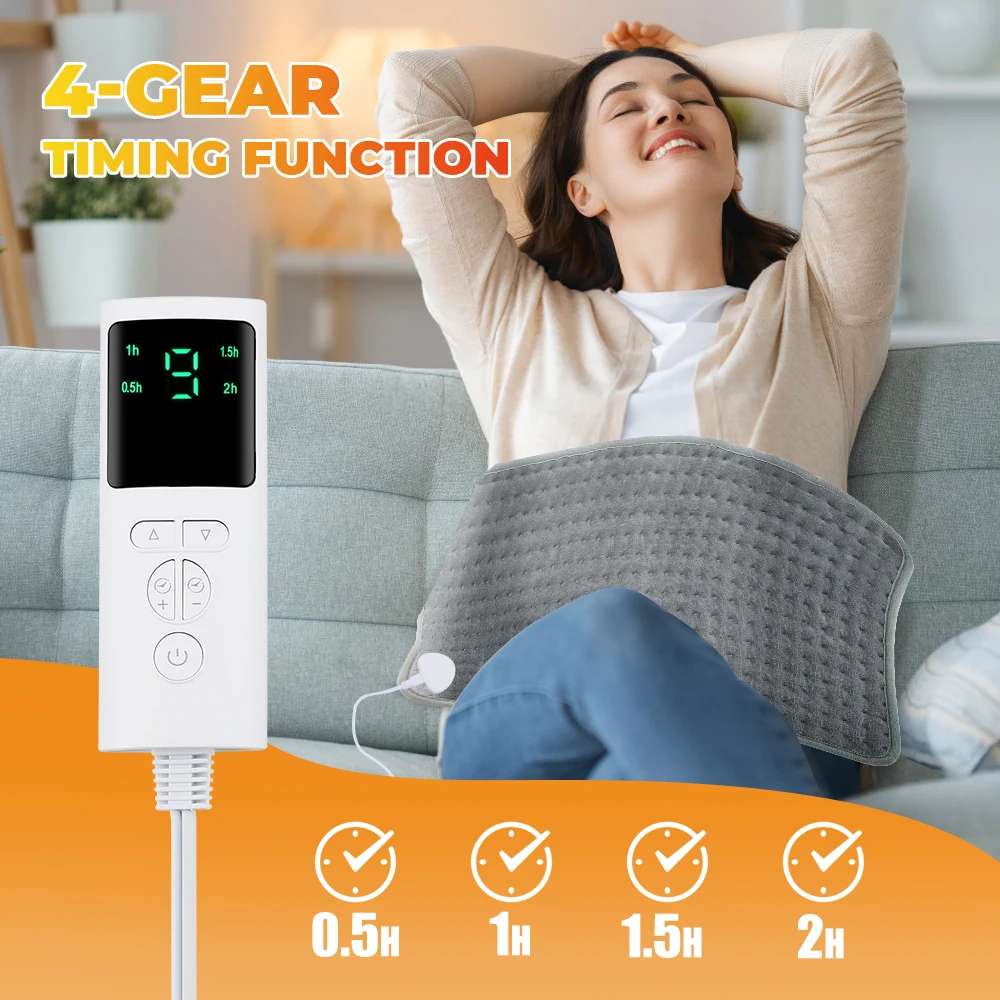
  • Limit usage to 20-30 minutes at a time, followed by a break to allow the skin to cool down.
  • Avoid falling asleep with this turned on.
  • Use the lowest heat setting necessary to provide comfort.
  • Always place a layer of cloth between your skin and the heating pad to prevent direct heat exposure.
  • Stay hydrated during use.
  • Check your skin regularly for signs of redness or irritation and discontinue use if any appear.
  • Consult with a healthcare professional if you have medical conditions that might increase the risk of complications from it use.

Conclusion

Excessive usage of a heating pad can have negative consequences on your health and well-being. Skin damage, burns, dehydration, increased sensitivity to heat, musculoskeletal issues, sleep disruptions, and dependence on heat are among the potential risks associated with abusing a heating pad. Responsible usage, adhering to time limits and appropriate temperature settings, and addressing the underlying cause of discomfort are crucial in maintaining safe and effective heating pad use. By understanding the risks and taking necessary precautions, you can safely enjoy the benefits of a heating pad while minimizing the potential negative effects on your body.
Home Appliance Personal Care
Where to Place a Heating Pad for UTI Relief?

Introduction:

Urinary tract infections (UTIs) can cause significant discomfort and pain, often resulting in a burning sensation, urgency, and lower abdominal pain. While antibiotics are necessary to treat the infection, supportive measures such as using a heating pad can help alleviate the discomfort associated with UTIs. Understanding where and how to place a heating pad, along with other supportive care recommendations, can enhance your comfort and recovery process. where to place heating pad for uti? Please read the following article carefully

where to place heating pad for uti

Where to Place a Heating Pad for UTI Relief?

Urinary tract infections are caused by bacterial infections affecting parts of the urinary system, including the bladder, urethra, and kidneys. Recognizing the symptoms and focusing on relief measures is crucial.

Common Symptoms: UTIs often present with symptoms such as a burning sensation during urination, frequent urge to urinate, cloudy or strong-smelling urine, and lower abdominal pain or pelvic discomfort. Severe cases might also include fever, chills, and back pain.

Causes: Bacteria, primarily E. coli, are the common culprits causing UTIs. Factors such as poor hygiene, dehydration, sexual activity, and certain health conditions can increase the risk of developing a UTI.

Medical Treatment: Antibiotics prescribed by a healthcare provider are essential for treating the bacterial infection. Completing the full course of antibiotics, even if symptoms improve, is crucial to ensure the infection is fully eradicated.

Benefits of Using a Heating Pad for UTI

Applying heat through a heating pad offers several benefits that can help manage UTI symptoms and alleviate discomfort.

Pain Relief: Heat therapy helps relax muscles and soothe discomfort in the lower abdomen and pelvic area. Applying a heating pad can reduce the pain and cramping often associated with UTIs.

Increased Blood Flow: Heat increases blood flow to the affected area, promoting healing and reducing inflammation. Enhanced circulation delivers more oxygen and nutrients to the tissues, aiding in the recovery process.

Stress Reduction: UTIs and their symptoms can cause significant stress and discomfort. The warmth from a heating pad provides a soothing effect, helping you relax and manage stress better during recovery.

where to place heating pad for uti

Optimal Placement of the Heating Pad

Correct placement of the heating pad is crucial to effectively target and alleviate UTI symptoms. Here are the optimal areas for placing the heating pad:

Lower Abdomen: Place the heating pad over the lower abdomen, just above the pubic area. This placement directly targets the bladder, which is often the focal point of UTI-related pain and discomfort.

Pelvic Area: The pelvic region is another effective placement for a heating pad, as it can help alleviate cramps and tension in the surrounding muscles. Ensure the pad covers the pelvic area sufficiently.

Lower Back: Some individuals experience referred pain in the lower back due to a UTI. If you have lower back pain or discomfort, placing the heating pad on the lower back can provide relief. Be sure to alternate between the lower abdomen and back if needed.

Types of Heating Pads

Several types of heating pads are available, each with unique features and benefits. Choosing the right one for your needs can enhance comfort and effectiveness.

Electric Heating Pads: Electric heating pads offer consistent, adjustable heat levels and are convenient for continuous use. They often come with features like auto shut-off timers, which ensure safe use.

Microwaveable Heating Pads: These heat packs, filled with grains or gels, can be warmed in the microwave. They are portable and provide moist heat, which can be more soothing for some individuals.

Chemical Heat Packs: Chemical heat packs are single-use and activated by breaking an internal seal. They are convenient for on-the-go relief but offer less flexibility in temperature control.

Herbal Heat Packs: Herbal heat packs, filled with natural herbs and grains, provide heat along with soothing scents from the herbs. They are an excellent choice for holistic relief and can be microwaved for use.

where to place heating pad for uti

Proper Usage Guidelines

Following proper usage guidelines ensures the safe and effective use of heating pads for relieving UTI symptoms. Here are best practices to keep in mind:

Temperature Control: Start with a low heat setting and adjust as necessary to a comfortable level. Avoid using high heat, which can cause burns or irritation to the skin.

Time Limitation: Limit the use of the heating pad to 15-20 minutes at a time. Prolonged exposure to heat can cause skin damage and reduce its effectiveness. Allow breaks between sessions to avoid overheating.

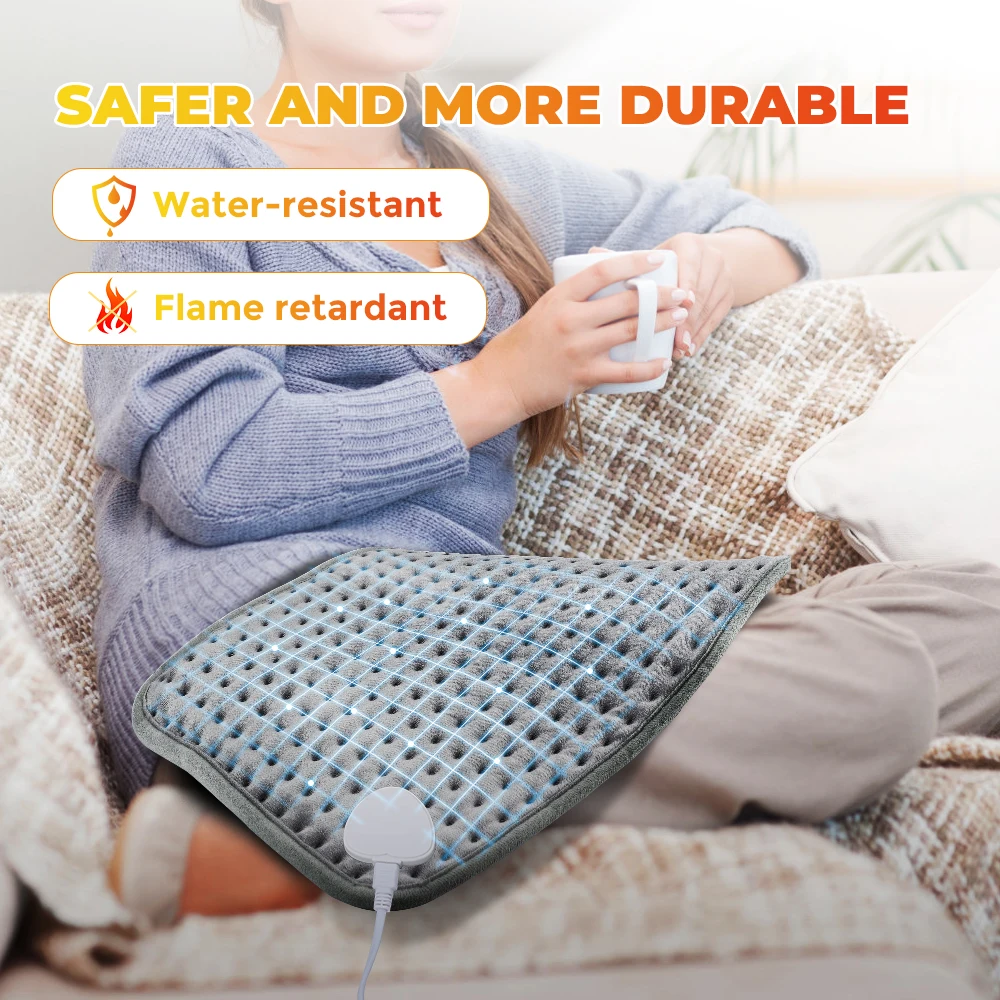
Use a Barrier: Place a cloth or towel between the heating pad and your skin to prevent direct contact. This reduces the risk of burns and irritation, especially for sensitive skin areas.

Monitor for Discomfort: Continuously monitor the area for signs of redness, irritation, or discomfort. If any adverse reactions occur, discontinue use immediately and consult a healthcare provider.

When to Avoid Using a Heating Pad

While heating pads are generally safe, certain conditions or situations warrant caution or avoidance. Understanding when not to use a heating pad is important for overall safety.

Open Wounds or Skin Conditions: Avoid placing a heating pad over open wounds, cuts, or skin conditions such as rashes. Heat can exacerbate these conditions and lead to further complications.

Skin Sensitivity: Individuals with sensitive skin or conditions like eczema should use heating pads cautiously and consult with their healthcare provider first.

Circulatory Problems: People with circulatory issues, such as diabetes or poor blood circulation, should be cautious. Impaired sensation might prevent them from feeling heat, increasing the risk of burns.

Pregnancy: Pregnant women should avoid using heating pads on the abdomen without consulting their healthcare provider. Heat can affect fetal development and cause complications.

where to place heating pad for uti

Alternative Supportive Measures

Incorporating alternative supportive measures can help manage UTI symptoms along with using a heating pad. Here are some additional strategies:
Hydration: Drink plenty of water to help flush out bacteria from the urinary tract. Staying hydrated can reduce the severity and duration of UTI symptoms.

Cranberry Juice: Cranberry juice contains compounds that can prevent bacteria from adhering to the urinary tract walls, potentially reducing UTI occurrences. Opt for unsweetened cranberry juice for maximum benefits.

Probiotics: Probiotics, found in yogurt and supplements, can support a healthy balance of bacteria in the gut and urinary tract. This can help improve overall urinary tract health and reduce UTI risk.

Over-the-Counter Pain Relievers: Over-the-counter pain relievers like ibuprofen or acetaminophen can help manage pain and inflammation associated with UTIs. Follow the recommended dosage instructions and consult your healthcare provider if needed.

Proper Hygiene: Maintain good hygiene practices, such as wiping from front to back after using the toilet, to prevent the spread of bacteria. Regularly change underwear and avoid using harsh soaps or douches.

Consulting a Healthcare Professional

While supportive measures like heating pads can provide relief, consulting a healthcare professional is essential for proper diagnosis and treatment of UTIs.

Medical Evaluation: Consult a healthcare provider if you experience UTI symptoms such as pain, burning during urination, or frequent urges to urinate. Proper diagnosis ensures you receive the necessary antibiotics to treat the infection.

Personalized Advice: Healthcare professionals can offer personalized advice on managing symptoms and preventing future UTIs. They can recommend appropriate treatments and preventive measures based on your specific condition.

Monitoring Progress: Regular follow-up visits can help monitor your progress and ensure the infection is completely eradicated. This reduces the risk of recurrence and potential complications.

Heat-Free Pain Management Options

If using a heating pad is not suitable, explore heat-free pain management options to relieve UTI symptoms effectively.

Cool Compresses: Applying a cool compress to the lower abdomen can provide relief from pain and reduce inflammation. Alternate between warm and cool compresses to find what works best for you.

Breathable Clothing: Wear loose, breathable clothing to minimize irritation and discomfort. Tight clothing can exacerbate symptoms and delay the healing process.

Rest and Relaxation: Resting and minimizing physical activity can help your body recover. Engage in relaxation techniques such as deep breathing, meditation, or gentle stretching to manage stress and discomfort.

where to place heating pad for uti

Preventing Future UTIs

Preventive measures can help reduce the risk of recurrent UTIs and maintain overall urinary tract health.

Hydration Habits: Maintain good hydration habits by drinking plenty of water throughout the day. Proper hydration helps flush out bacteria and keep the urinary system functioning optimally.

Hygiene Practices: Practice good personal hygiene to minimize the risk of bacterial contamination. Ensure proper wiping technique, regular bathing, and changing of underwear to maintain cleanliness.

Bladder Health: Avoid holding urine for extended periods, as this can increase the risk of bacterial growth. Empty your bladder regularly to reduce the chances of developing a UTI.

Dietary Considerations: Incorporate foods rich in antioxidants and anti-inflammatory properties to support urinary tract health. Consider adding cranberries, blueberries, and foods high in vitamin C to your diet.

Conclusion

Using a heating pad can provide effective relief from the discomfort and pain associated with UTIs when placed correctly on the lower abdomen, pelvic area, or lower back. Following proper usage guidelines, being aware of when to avoid heating pads, and incorporating supportive measures can enhance your comfort and recovery. In 2024, pay more attention to your health. Consulting a healthcare professional for proper diagnosis and treatment ensures that you address the underlying infection while exploring preventive strategies to reduce the risk of future UTIs. By understanding the benefits and limitations of using a heating pad and adopting a comprehensive approach to managing UTIs, you can improve your overall well-being and maintain urinary tract health.