Create Comfort with Ease: How to Make Homemade Heating Pad
Materials Needed for Homemade Heating Pads
Creating homemade heating pads requires simple, easily available materials. Start by selecting quality fabric and safe filler materials.
Choosing the Right Fabric
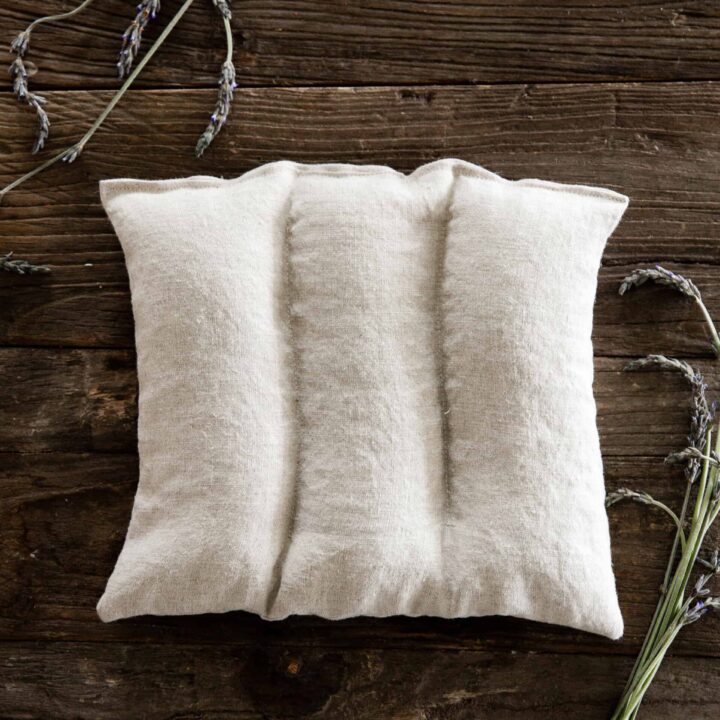
For homemade heating pads, the right fabric is crucial. Opt for natural fibers like cotton or flannel. These materials can withstand heat and are comfortable against the skin. Ensure the fabric is clean and free of any treatments or dyes that might react when heated.
Selecting Filler Materials
The effectiveness of your homemade heating pad hinges on the fillers. Common fillers include rice, wheat, or dried beans. These materials retain heat well and conform to the body’s shape. Ensure that the fillers are dry and free from any pests or contaminants before use.
Step-by-Step Guide to Making a Heating Pad
Following a step-by-step guide helps ensure that your homemade heating pad turns out perfect. Below, I’ll outline the key steps to creating a heating pad that provides comfort and relief right at home.
Preparing the Fabric
First, cut your fabric to the desired size. A standard size is 20 by 10 inches but adjust based on your needs. Fold it in half with the right sides facing each other and iron it flat. Then, stitch three of the sides together, leaving one short side open for the fillers. Turn the fabric right-side out to prepare for filling.
Filling and Sealing the Pad
Next, choose your filler – rice, beans, or wheat are great options. Use a funnel or a spout to pour the filler into the fabric pouch, filling it to about two-thirds full. This allows room for the material to move and conform to your body. Once filled, sew the open end shut, ensuring a secure closure to prevent spills.
Remember, as you learn how to make a homemade heating pad, precision and patience are key. This simple project not only offers therapeutic benefits but also gives you a satisfying sense of self-reliance and creativity.
Types of Homemade Heating Pads
Once you understand how to make a homemade heating pad, exploring different types can be fun.
Rice-filled Heating Pads
Rice-filled heating pads are popular for their simplicity and effectiveness. Begin by filling the fabric pouch with uncooked rice. Make sure it’s dry and free from any dirt. These pads are easy to heat in the microwave. Usually, a minute or two on high will suffice. Rice holds heat well, delivering warmth to your muscles for a relaxing experience. Remember to check the temperature before use to avoid burns.
Bean-filled Heating Pads
Another great option is the bean-filled heating pad. Use any dry beans, such as lentils or peas. Beans are also excellent at retaining heat. They offer a heavier weight, which can be soothing for deep-tissue comfort. Heat these the same way as the rice pads. Be sure to shake the pad evenly to distribute the heat before applying to your body. Both rice and bean-filled heating pads mold to your shape, targeting relief where it’s needed most.
Using Essential Oils in Your Heating Pad
Incorporating essential oils into your homemade heating pad can greatly enhance the relaxation experience. The addition of these aromatic compounds can provide therapeutic benefits and a more sensory-driven relief.
Benefits of Adding Essential Oils
Adding essential oils to your heating pad offers multiple advantages. Firstly, they can induce relaxation and reduce stress. Align this benefit with the heat’s soothing effect for double the comfort. Essential oils can also help alleviate muscle tension, making your heating pad even more effective. Lastly, the pleasant fragrances can elevate your mood and create a calming atmosphere in your home.
It’s important to understand how to safely incorporate essential oils into your homemade heating pad. Always make sure to use only skin-safe, high-quality oils and to test for any skin reactions before using the heating pad on a larger area.
Recommended Essential Oils
When deciding which essential oils to use, select according to the benefits you seek. For relaxation and stress relief, lavender or chamomile are ideal choices. Eucalyptus and peppermint can offer pain relief and reduce inflammation, making them suitable for muscle aches. For a comforting, warming scent, consider cinnamon or ginger. Just add a few drops of your chosen oil to the filler before sewing the heating pad shut.
It’s essential to note that children and pets may be sensitive to certain essential oils, so take precautions when using and storing your scented heating pad. Mix and match different oils to find the blend that works best for you and enjoy the added luxury in your DIY self-care routine.
 Safety Tips for Using DIY Heating Pads
Proper usage of homemade heating pads is key to ensuring safety and comfort. Here are some essential safety tips to follow.
Temperature Considerations
Start by warming your DIY heating pad at a low temperature. Check the heat level before placing it on your body to avoid burns. Microwave heating times may vary, so find the ideal time that makes the pad warm, not hot. Never use a homemade heating pad on bare skin. Always place a layer of cloth between the pad and your skin.
Usage Duration and Frequency
Use heating pads for short periods, generally for up to 20 minutes at a time. Allow your skin to cool down before reapplying. Avoid using the heating pad while sleeping to prevent prolonged heat exposure. Listen to your body—if discomfort arises, remove the pad immediately.
How to Care for Your Homemade Heating Pad
Proper care extends the life of your heating pad. Here’s how to keep it in top shape.
Cleaning Tips
Your homemade heating pad needs careful cleaning. If the fabric cover is removable, wash it separately in cold water and air dry. For non-removable covers, use a damp cloth to spot clean. Never immerse the heating pad in water. The fillers can’t get wet. Always ensure the heating pad is fully dry before use.
Storage Suggestions
When not in use, store your heating pad in a cool, dry place. Avoid direct sunlight and damp areas to prevent mold and bad smells. A drawer or cabinet works well. Make sure the pad is cool and dry before storing. This keeps it ready for the next use.
Crafting Heating Pads as Gifts
Homemade heating pads make thoughtful, personalized gifts. Here’s how to craft them beautifully.
Personalization Tips
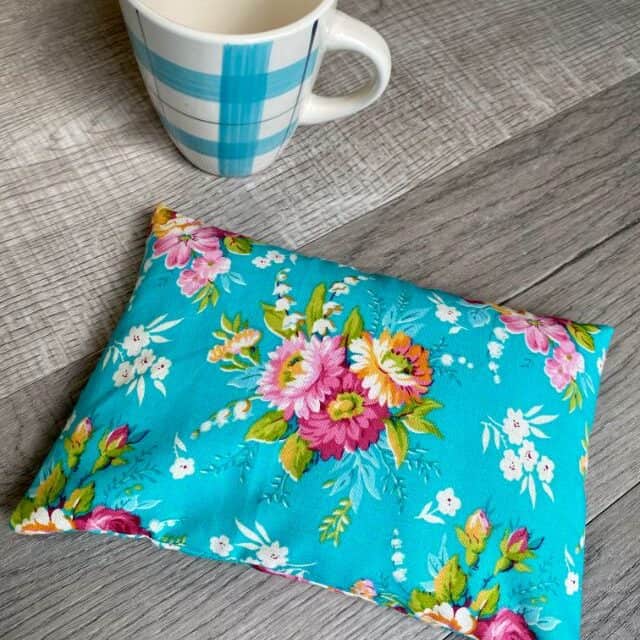
- Choose Themed Fabrics: Select fabrics that resonate with the recipient’s interests or favorite colors. For a friend who loves nature, consider a floral or leafy pattern.
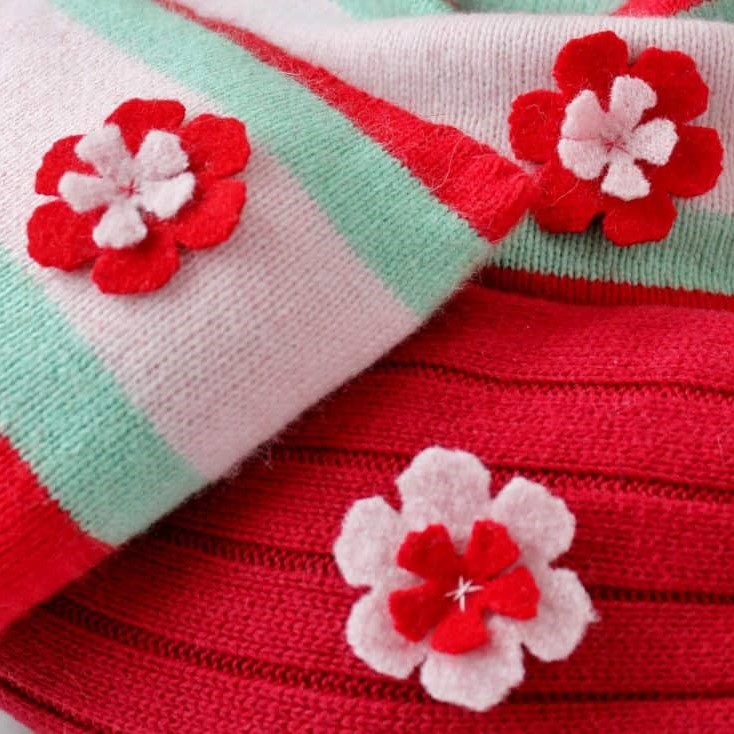
- Add Embroidery or Appliques: Personalize the heating pad with initials, a meaningful quote, or a simple image using embroidery or fabric appliques. This adds a unique touch.
- Include Custom Scents: Use the recipient’s favorite essential oils when making the pad. Lavender for relaxation or peppermint for rejuvenation are excellent choices.
- Create Various Sizes: Craft different sizes for different uses, such as a small pad for neck relief or a larger one for back pain.
Gift Wrapping Ideas
- Fabric Gift Bags: Make or buy a fabric bag that complements the heating pad’s design. It’s reusable and eco-friendly.
- Decorative Boxes: Place the heating pad in a decorative box with tissue paper. Add dried flowers or a ribbon for a classic touch.
- Custom Tags: Attach a custom tag with instructions on how to use and care for the heating pad.
- Themed Packaging: If it’s a holiday gift, use wrapping themes that match the season, like Christmas or Valentine’s motifs.
Making a homemade heating pad and presenting it beautifully shows care and thoughtfulness, making your gift extra special.
 Conclusion: Elevate Your Relaxation with Your Homemade Heating Pad
Creating your own heating pad allows for both customization and cost savings. By selecting the right materials and following the outlined steps, you can craft a heating pad that meets your specific comfort needs. The ability to choose your preferred filling, fabric, and optional aromatics makes your homemade creation truly personalized.
If you are feeling sore or just want to relax, follow this guide on how to make homemade heating pad and enjoy the warmth and comfort it brings. Indeed, with a little effort, you’ll have your very own heating pad ready to soothe and heal.